
Belgrade Workshop Calls for Inclusive Education on the Genocide of the Roma
Terraforming organized the third international workshop in Belgrade as part of the initiative designed to strengthen education on the persecution and genocide of the Roma and support implementation of the IHRA Recommendations. The program brought together experts, educators, and community representatives through a workshop series held in Vienna (Austria), the Westerbork Memorial Center (The Netherlands), and Belgrade (Serbia). The project, titled “Pasostar ando Prastape / Breaking into a Gallop,” aims to confront long-standing barriers in how Roma history is taught and remembered across Europe.
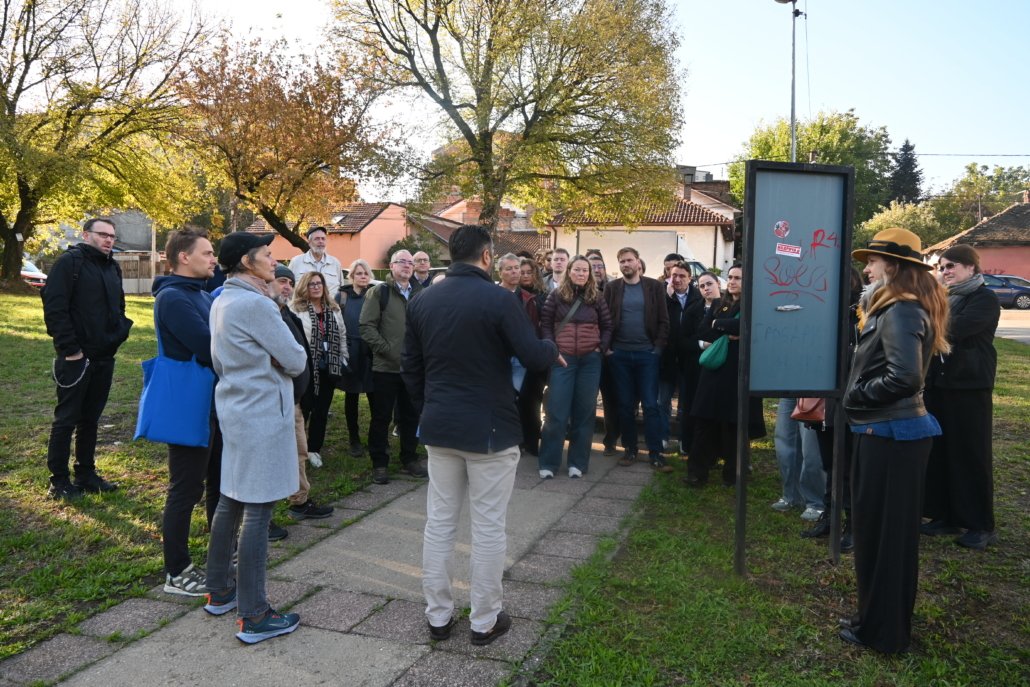
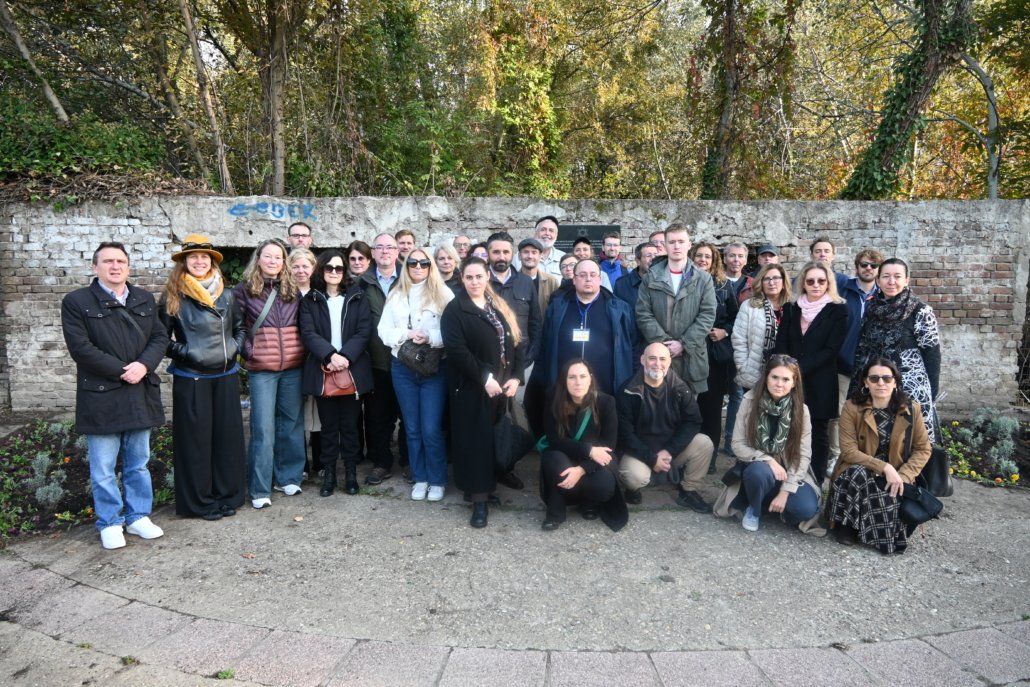
The Belgrade workshop, held from October 8 to 10, brought together over 50 educators, historians, scholars, museum practitioners, researchers, Roma and Jewish community representatives, and civil society actors. Over three days of expert discussions, youth-led presentations, and guided visits to sites of Roma persecution in Belgrade, participants repeatedly emphasized that education about the genocide of the Roma cannot advance without meaningful Roma participation and shared ownership of memory.

Moving from Representation to Co-Creation
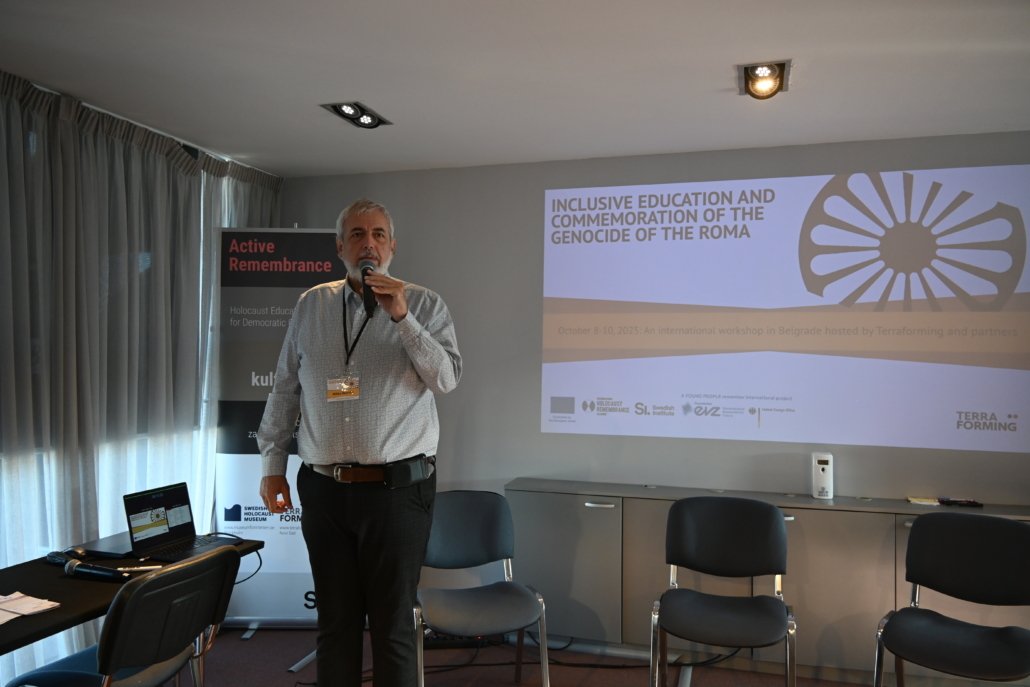
The program opened with a keynote by Miško Stanišić of Terraforming, who introduced the new IHRA Recommendations on Teaching and Learning about the Persecution and Genocide of the Roma. He stressed that remembrance must be developed “with Roma voices included at every step,” urging a shift from top-down policy to participatory practice.
That theme set the tone for the first panel, which examined memory spaces of Roma persecution.
Elżbieta Mirga-Wojtowicz, from Fundacja Jaw Dikh / CMS Warsaw University in Poland, Danijel Vojak, from Institute of Social Sciences Ivo Pilar and IHRA delegate from Croatia, and Artur Ivanenko, from Kherson City Association of Young Roma – KYRS in Ukraine, showcased efforts to document and reclaim forgotten or contested sites. Participants agreed that transforming these places into “living classrooms” requires sustained collaboration with local Roma communities, alongside cross-border cooperation among researchers, institutions, and activists.
Gendered Histories and Gaps in Public Memory
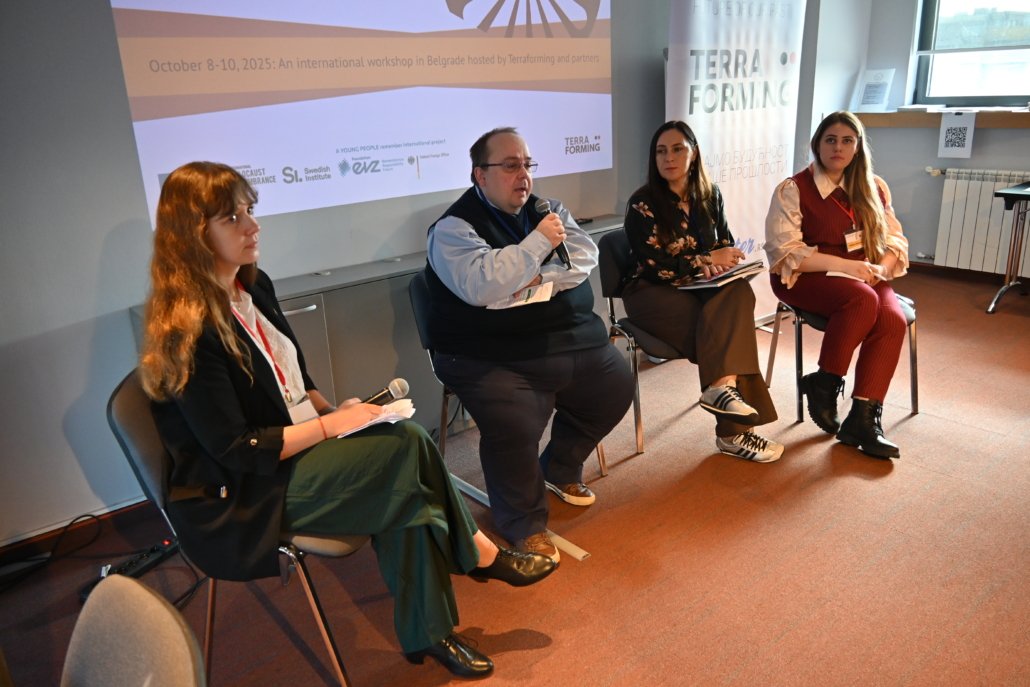
Panel discussions also highlighted how Roma women’s stories have long been overlooked.
Nadja Greku, from ERIAC Serbia, Mia Taikon, from The Living History Forum in Sweden, and Birthe Pater, from Arolsen Archives from Germany showed that neglecting gendered experiences of forced sterilization or sexualized violence, but also of resilience, survival, and resistance, distorts historical understanding. They proposed educational models that center Roma women as narrators, using art, oral history, and intergenerational storytelling to restore agency and challenge victim-only narratives.
The panel on intergenerational transmission of memory revealed another significant gap: the disconnect between institutional remembrance and family-based memory.
Dan Hultquist, from Swedish Holocaust Museum, Chiara Nencioni, from Pisa University / Florence University in Italy and Calin Rus, Intercultural Institute Timisoara in Romania demonstrated how community art and youth projects can bridge this divide and nurture a living, evolving memory culture.

Authentic Sites as “Living Classrooms”
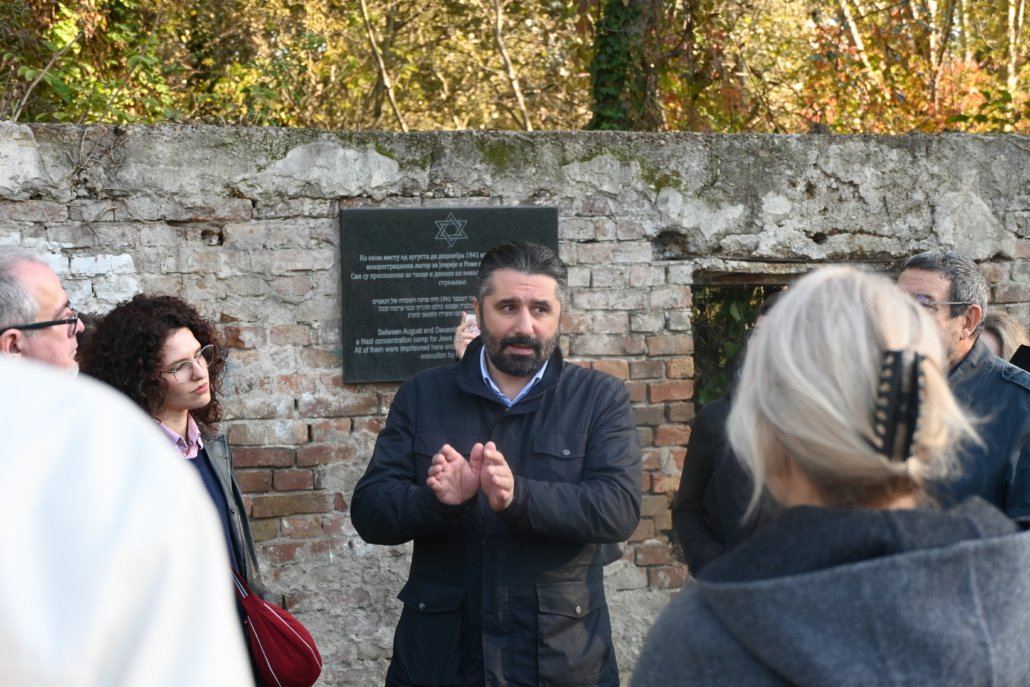
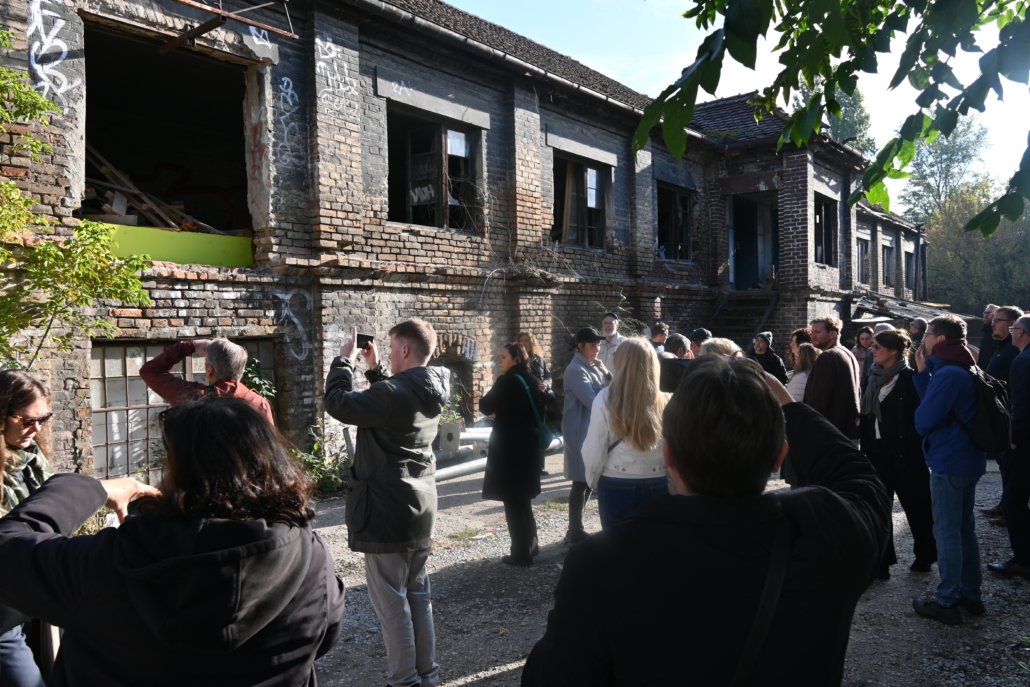
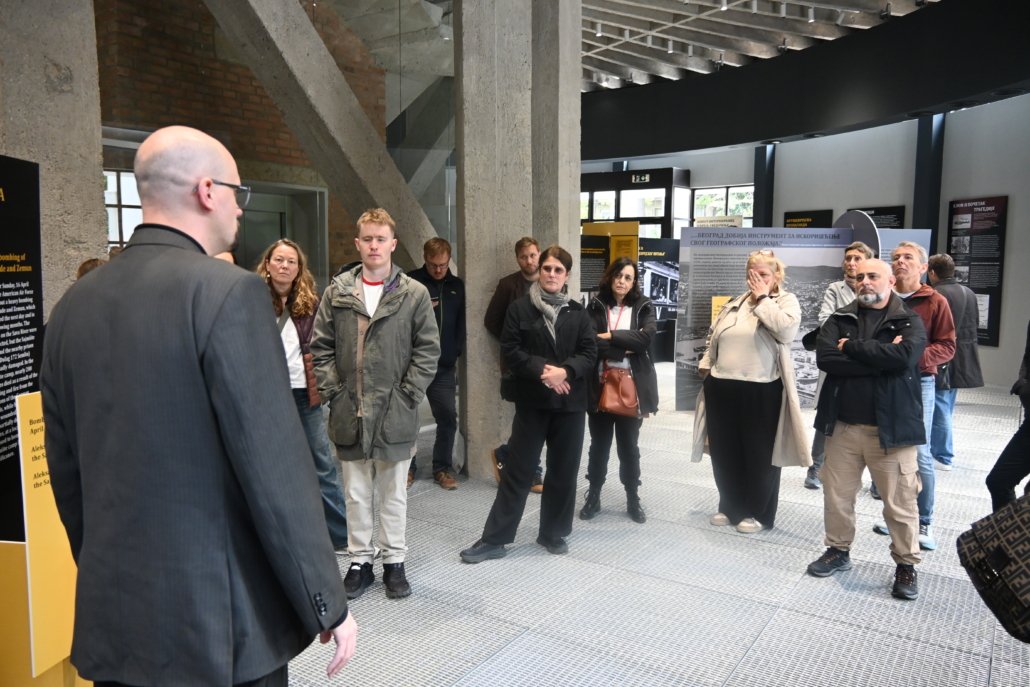
On the second day, participants visited the sites of Topovske Šupe and Staro Sajmište. Milovan Pisarri, a member of the Board of Directors of the “Staro Sajmište” Memorial in Belgrade and a research associate at the Institute for Philosophy and Social Theory, guided the group through Topovske Šupe. In front of the neglected and partially collapsed authentic buildings of the former camp, Miško Stanišić spoke with Polina Zavershinskaia from the University of Padova in Italy, who presented her research on forgetting and distorting history in the context of nationalist and political propaganda.
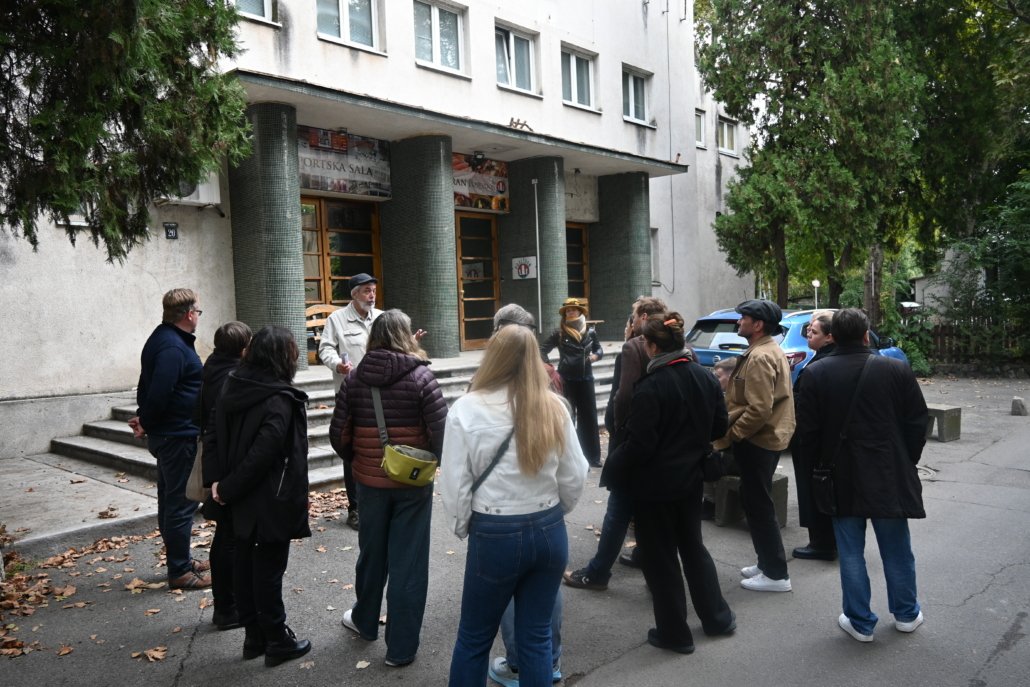
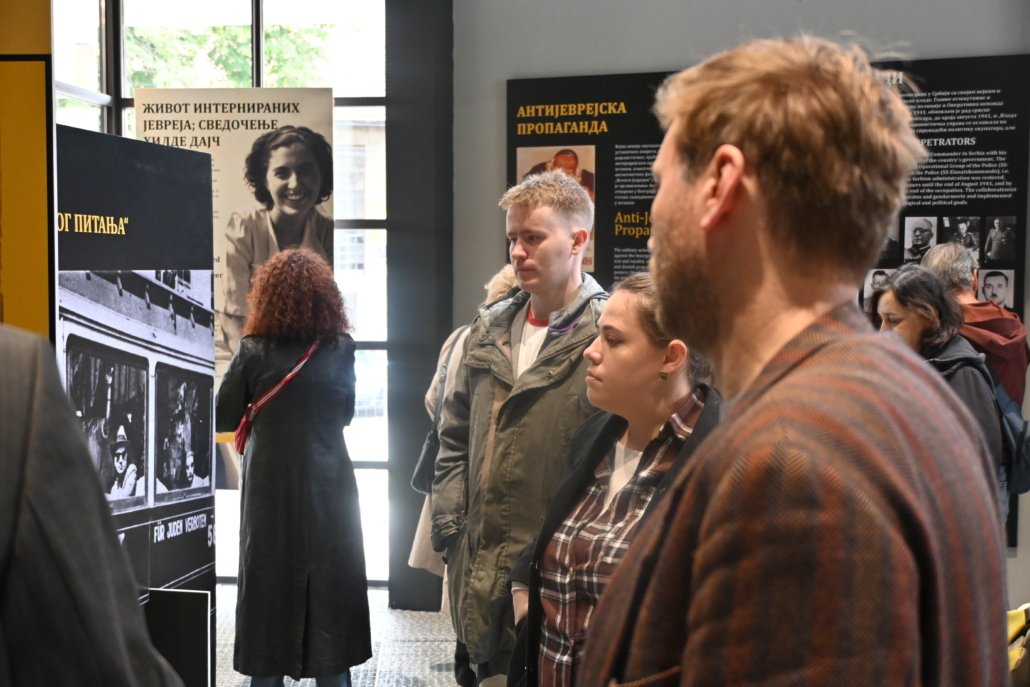
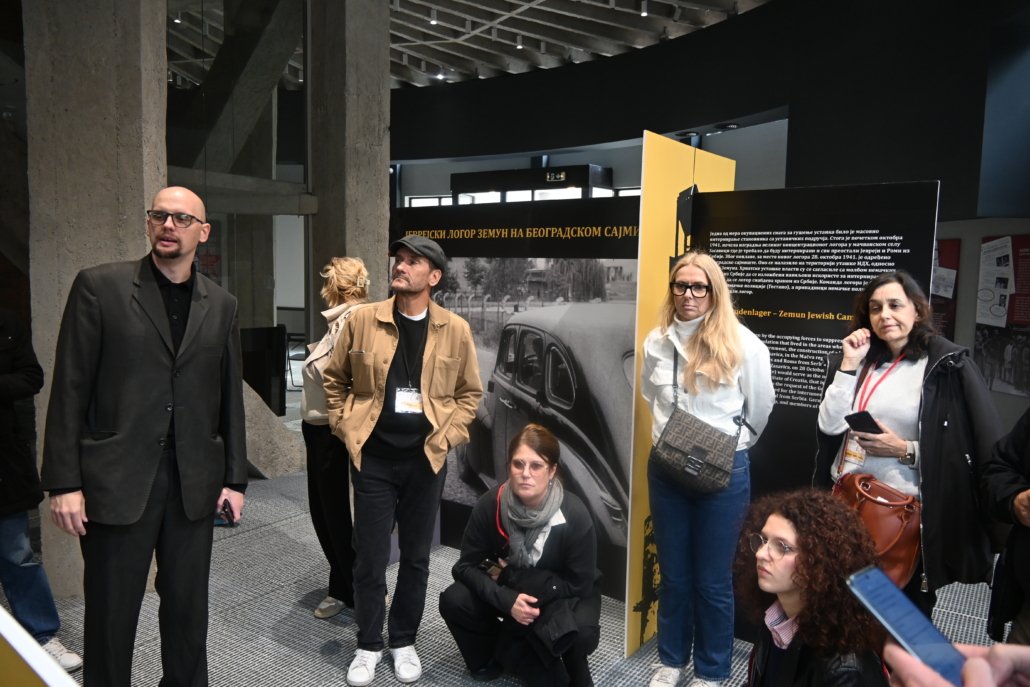
At the Staro Sajmište site, visitors were guided through the museum by Vidan Bogdanović, while Miško Stanišić led them around the wider area of the former camp. The stark contrast between long-term neglect and ongoing institutionalization sparked discussions about representation, authenticity, and the lack of inclusion and local ownership among victim communities. The groups explored how these locations could become collaborative learning environments where Roma and Jewish perspectives are fully represented and contextualized.
Youth Voices at the Center
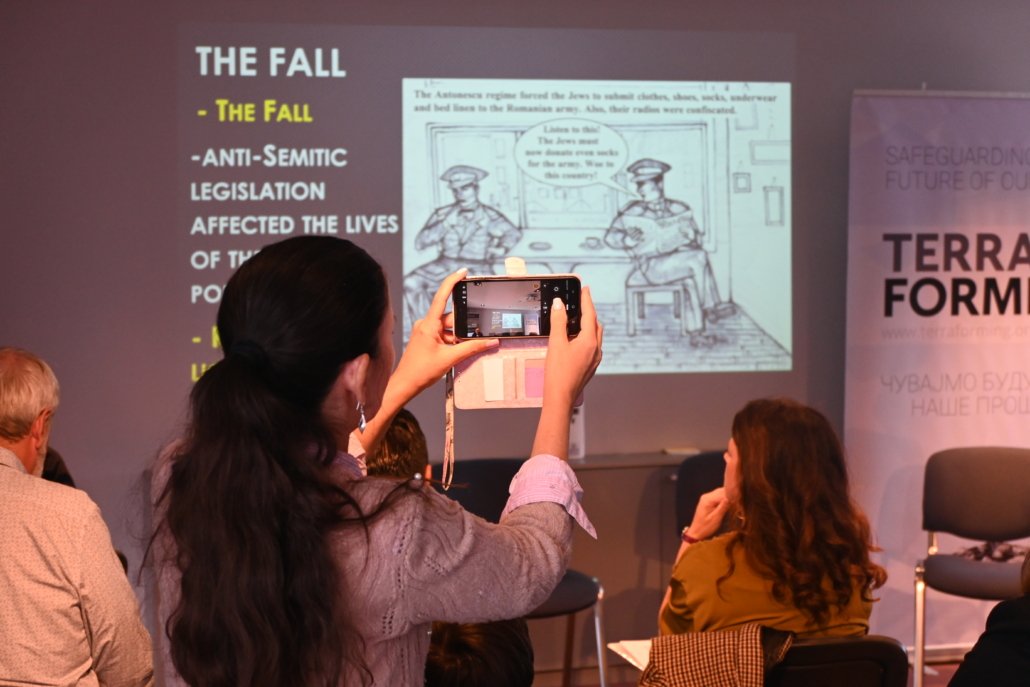
The workshop also spotlighted innovative classroom practices developed by young researchers and teachers from Serbia and Romania. The Facts, Not Fiction – Young Historians Show How to Learn from the Past program presented the digital platform Ester Storyboard and examples of classroom activities designed to help students recognize manipulation and misinformation in historical narratives.
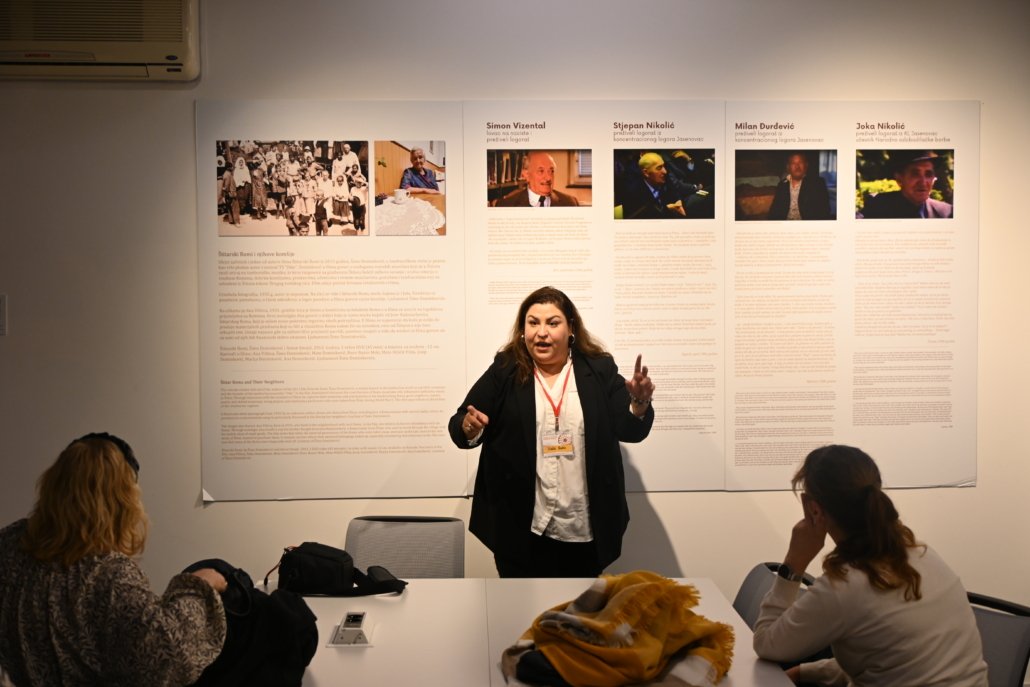
Further presentations underscored the value of local microhistories, critical media literacy, and contemporary storytelling formats in strengthening democratic resilience among young learners. In an evening program, participants visited ERIAC Serbia for a guided tour of the exhibition Combing Through Time: Disentangling the Hidden Histories of the Roma Genocide.
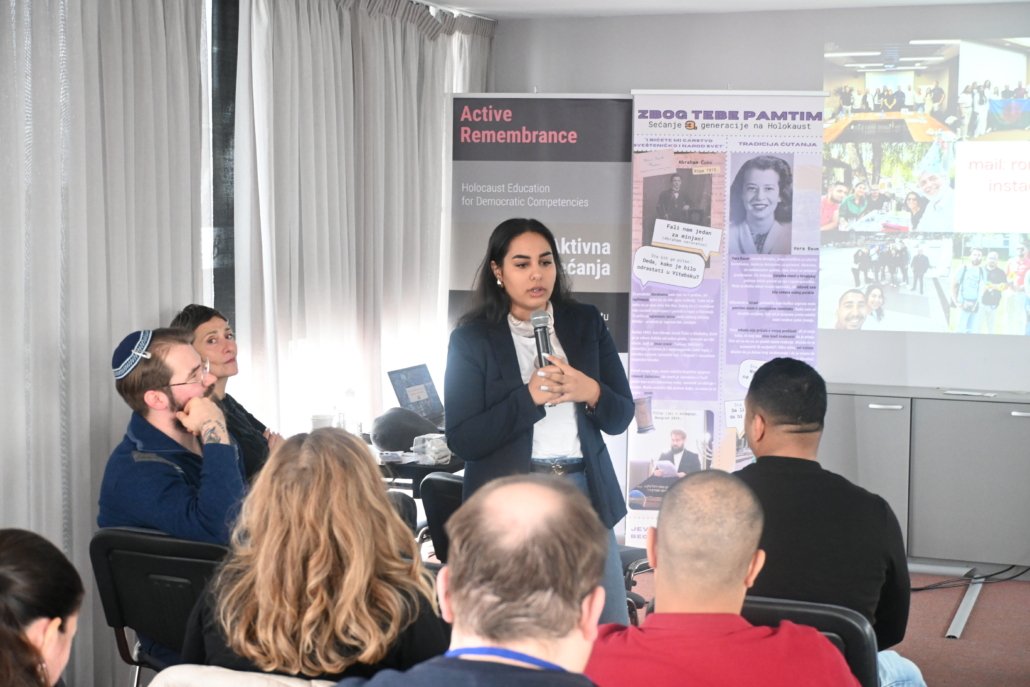
One of the highlights was the presentations by Roma and Jewish youth organizations, Maja Simić from the Roma Youth Organization of Serbia ROMS (Romska organizacija mladih Srbije ROMS) and Filip Belevski from the Jewish Youth Club (Jevrejski omladinski klub) of the Jewish Community of Belgrade, which explored their authentic visions of what inclusive memory could be.

Building Community-Based Remembrance
Exploring how inclusive remembrance can reinforce social cohesion and democratic competencies, the final stage of the 2-day program was dedicated to discussing and co-creating guidelines for inclusive memory practices. Some key commitments include establishing a permanent European network linking memorial institutions and minority-led organizations, and integrating youth-led initiatives into future education and commemoration programs. The recommendations will be finalized and published as a living document for institutions and policymakers, to support the implementation of the IHRA Recommendations on Teaching and Learning about the Persecution and Genocide of the Roma during the Nazi Era.

Key Conclusions
Participants agreed on several essential principles:
- Shared Ownership of Memory – Inclusive remembrance requires Roma and Jewish communities to be co-authors, not occasional contributors.
- Integration into Education – The genocide of the Roma must be embedded in national curricula and teacher training, connecting historical knowledge with civic and human rights education.
- Authentic Sites as Learning Spaces – Historical locations such as Topovske Šupe and Staro Sajmište should be interpreted collaboratively and transparently.
- Youth Engagement and Dialogue – Joint Roma–Jewish youth projects play a powerful role in countering prejudice and sustaining remembrance.
- Sustainable Networks and Policy Support – A long-term European cooperation framework is needed to support educators, museums, and minority organizations.
A Consolidated Roadmap for the Future
The Belgrade workshop built on previous findings from Vienna and Westerbork. Vienna helped identify systemic gaps in representation and documentation; Westerbork demonstrated how these gaps manifest at authentic sites; Belgrade turned these insights into concrete commitments for practitioners and policymakers.
The project’s international partners now share a common roadmap: co-creation with Roma communities; structured support and materials for teachers; the use of authentic sites as “living classrooms”; and youth-led storytelling that connects memory to democratic values. With these steps, the initiative seeks to ensure that the history of Roma persecution is taught and remembered with accuracy, dignity, and long-term sustainability across Europe.



Thank you
Thank you to all our incredible partners for excellent collaboration! Our gratitude goes to the funding institutions for their generous support, without which none of this would have been possible. A big thank you to all the wonderful, creative, knowledgeable, and inspired participants of the event for your invaluable contributions!
- Read more about the project Pasostar ando Prastape – Breaking into a Gallop, in which, supported through International Holocaust Remembrance Alliance IHRA grant, and the Stiftung Erinnerung, Verantwortung und Zukunft (EVZ) Foundation, with funding from the German Federal Foreign Office as part of the YOUNG PEOPLE Remember International program, Terraforming partners with Centropa (Germany), Intercultural Institute Timișoara (Romania), and TENET Center for Social Transformations (Ukraine)
- Read more about the project Inclusive Remembrance – Holocaust Education and Minority Voices for Democratic Competencies, in which, supported through Swedish Institute’s Creative Partnership program, Terraforming partners with the Swedish Holocaust Museum (Sweden), the Living History Forum (Sweden), the Jewish Youth Club of the Jewish Community of Belgrade (Serbia), the Roma Youth Organization of Serbia ROMS (Serbia), and ERIAC Serbia.
- Read more about the project Facts Not Fiction – Young Historians Show How to Learn from the Past, realized with the support of the European Union’s Citizens, Equality, Rights and Values (CERV) program, in which Terraforming partners with Arolsen Archives (Germany), Intercultural Institute Timișoara (Romania), and EuroClio – European Association of History Educators (The Netherlands).