Terraforming and Arolsen Archives Launch Joint Educational Initiative
Connecting Stories: Bridging Historical and Contemporary Migration Experiences
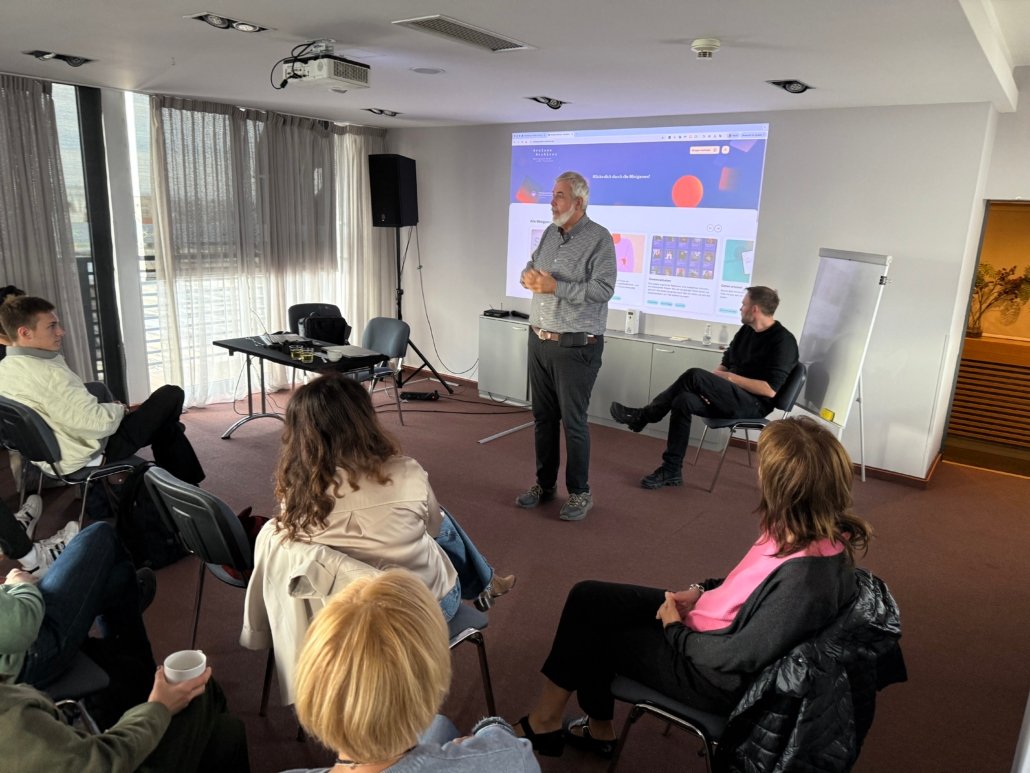
Terraforming, in cooperation with the Arolsen Archives – International Center on Nazi Persecution, recently hosted two impactful workshops in Belgrade as part of the Connecting Stories: Exploring Contemporary and Historical Experiences of Migration project.
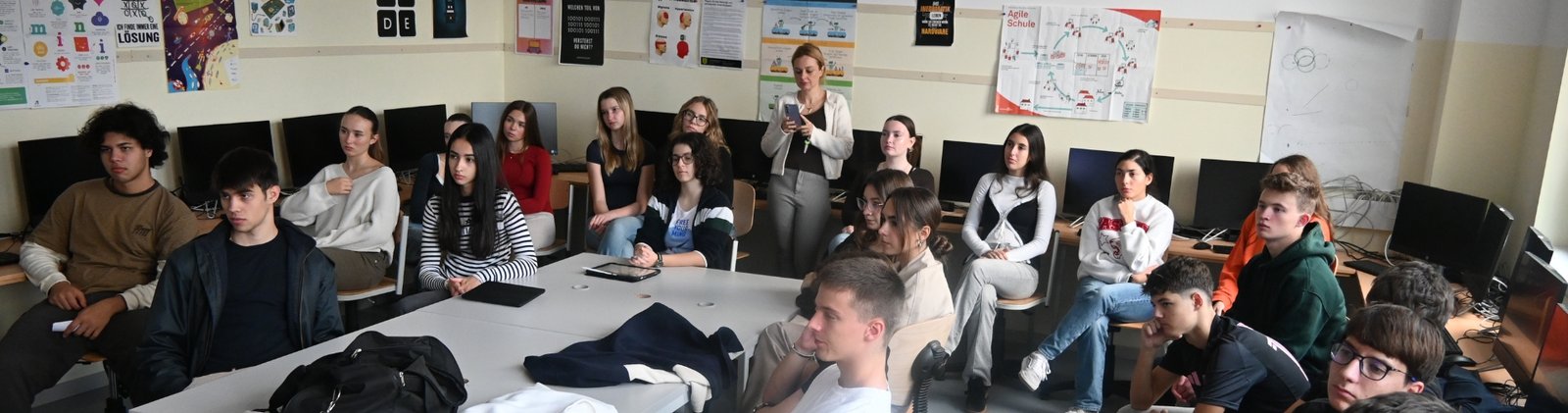
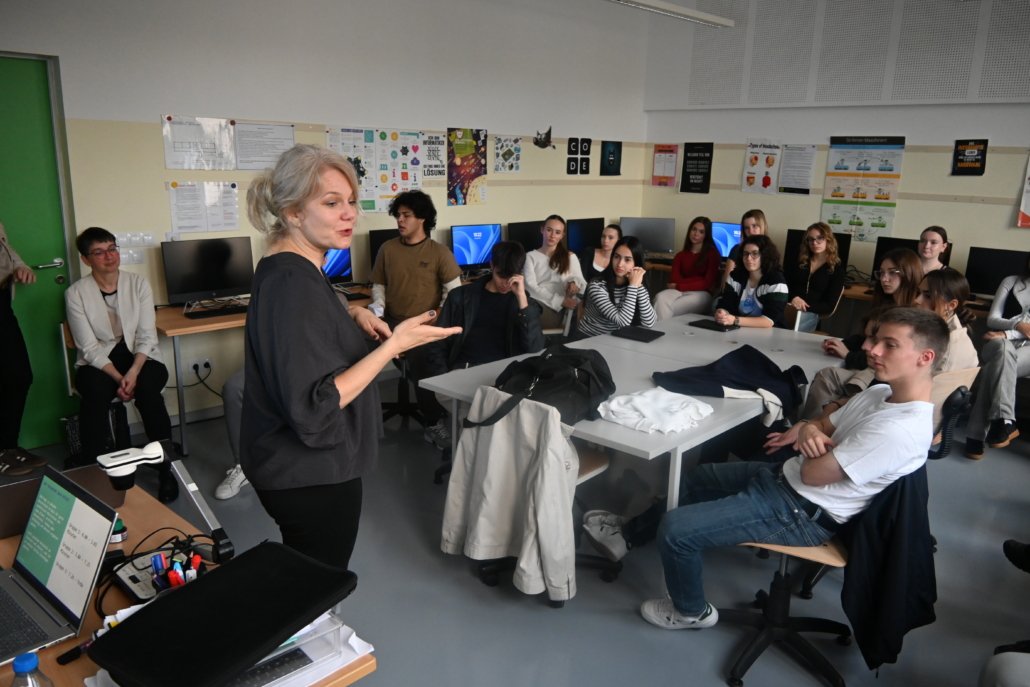
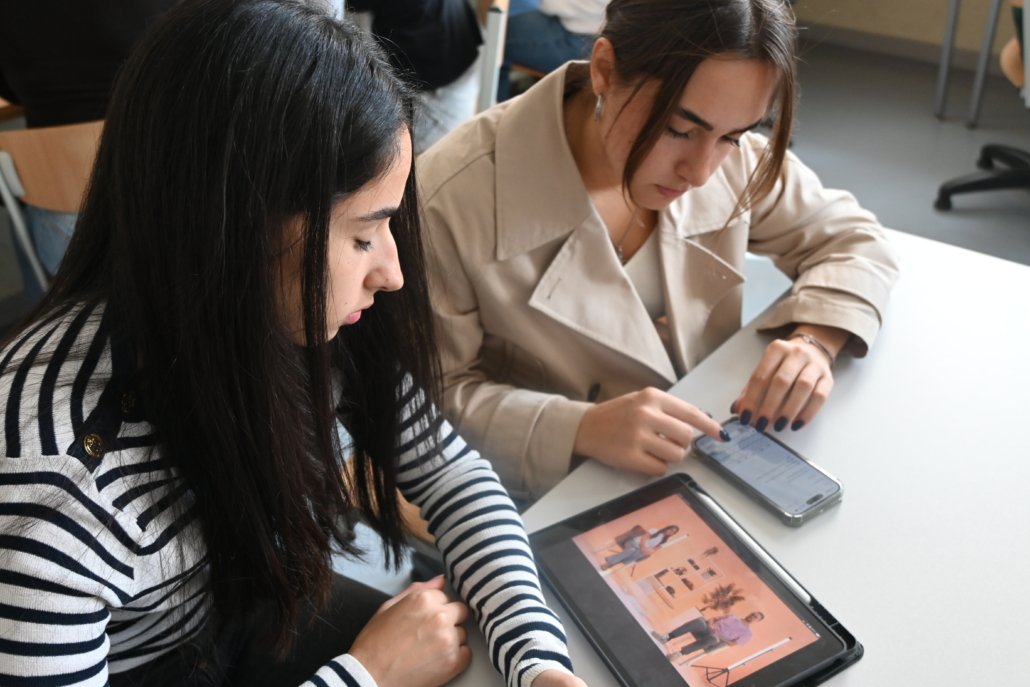
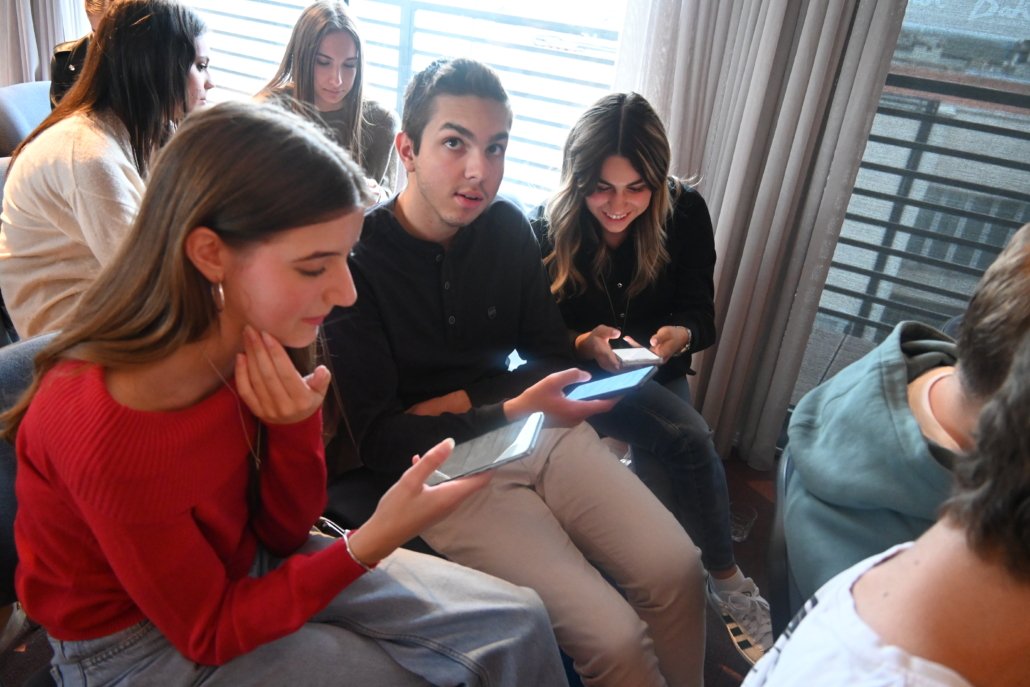
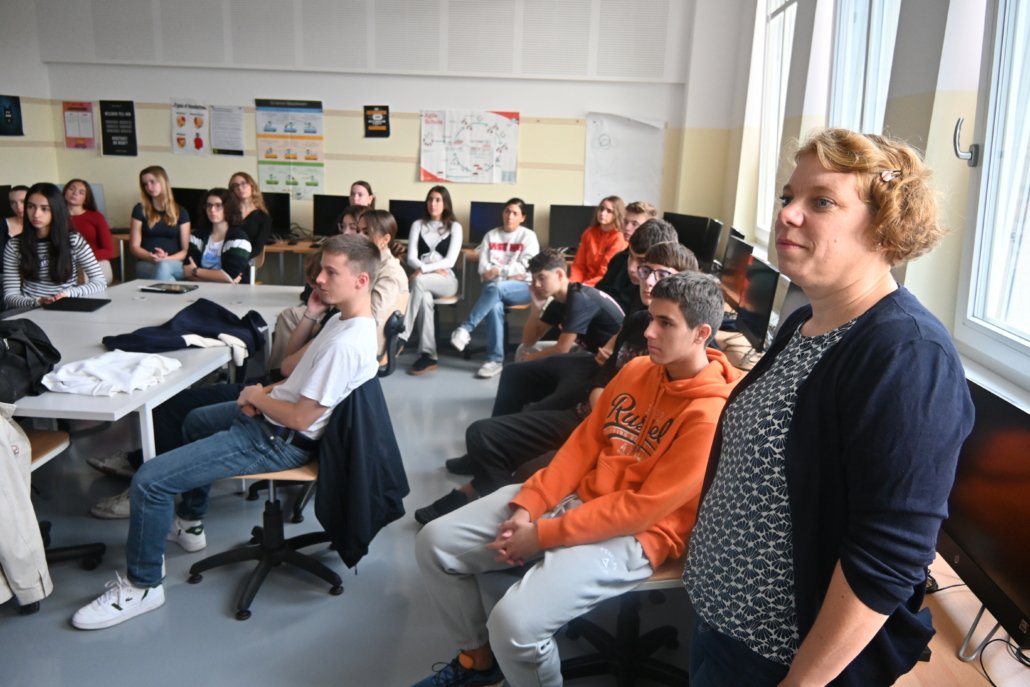
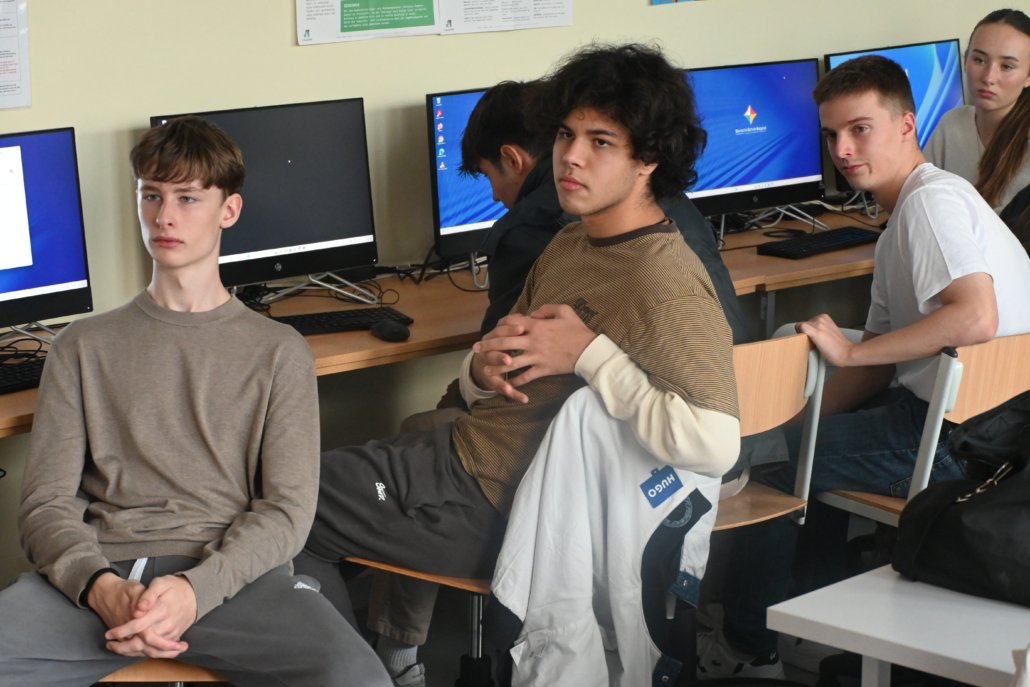
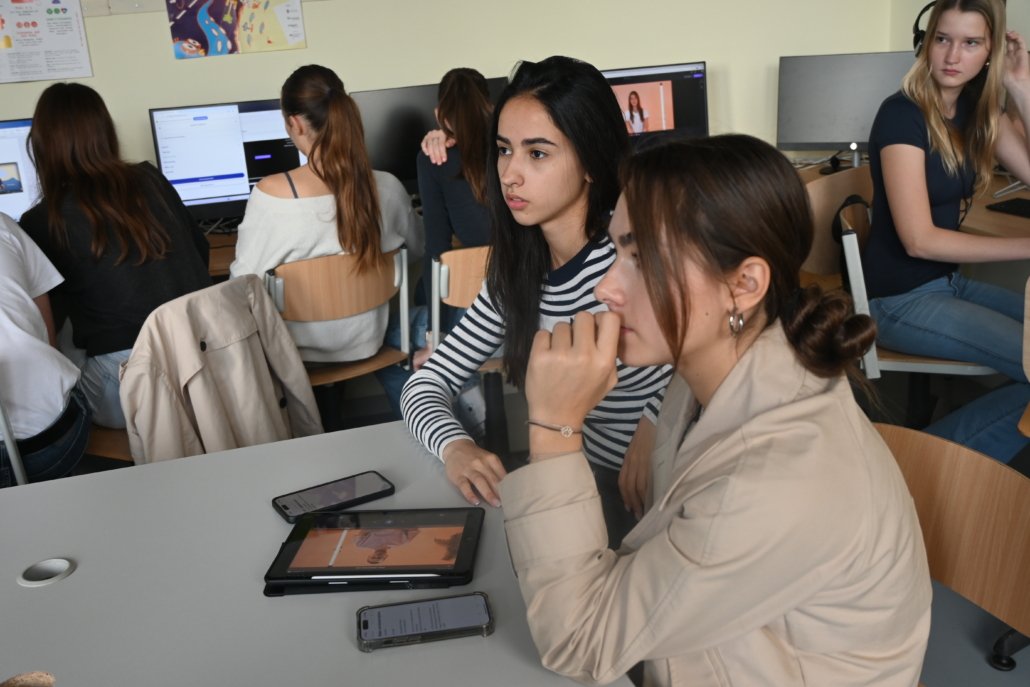
The primary goal was to pilot a new interactive online video quiz, co-developed by the teams. Over two days, the program brought together teachers and students from several Belgrade gymnasiums to test the innovative tool and explore how personal migration stories influence our perspectives on history and current events.
Workshops Hosted at German School and Art Hotel Belgrade
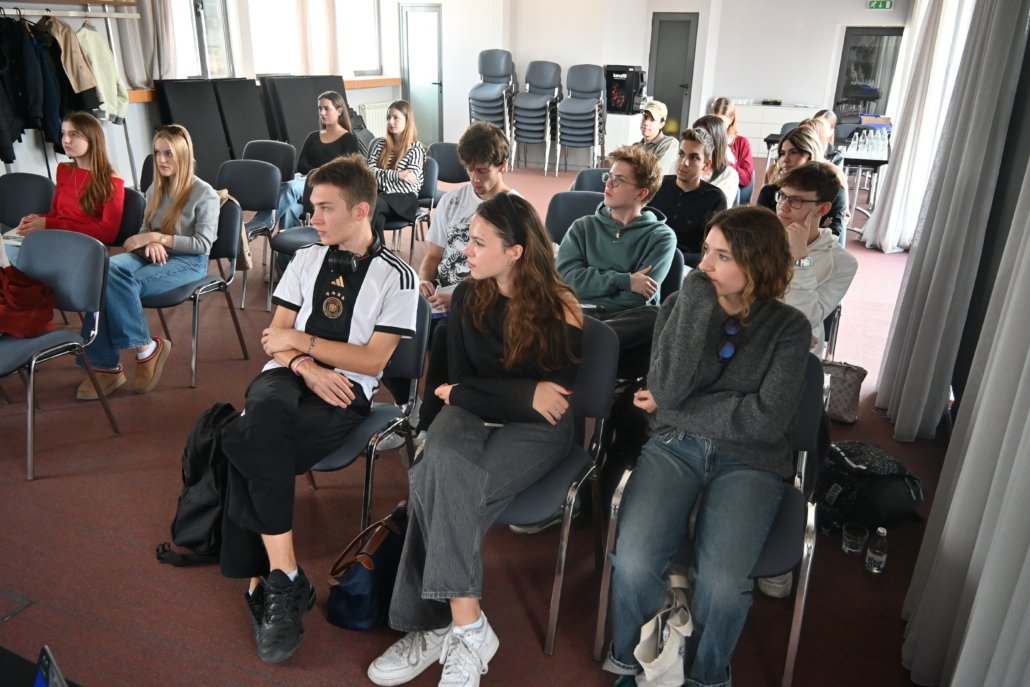
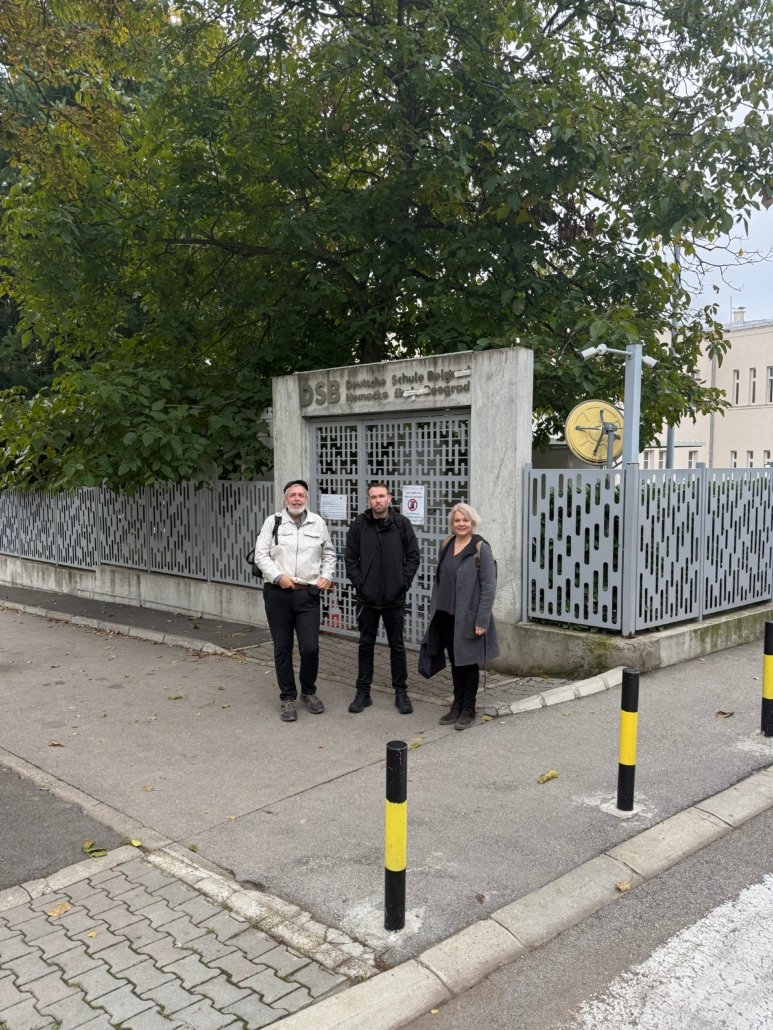
The first workshop was held at the German School in Belgrade, followed by the second at the Art Hotel Belgrade. Both events welcomed educators and students from the German School, under the guidance of teacher Karen Flügge, and representatives from the Third and Fourteenth Gymnasiums in Belgrade, led by teachers Zorana Matičević (III Gymnasium) and Maja Keskinov (XIV Gymnasium).
Interactive Learning Through Video Quiz Experiences
The interactive quiz material was produced in a professional studio in Novi Sad, overseen by the Arolsen Archives Educational Department and the Terraforming team.
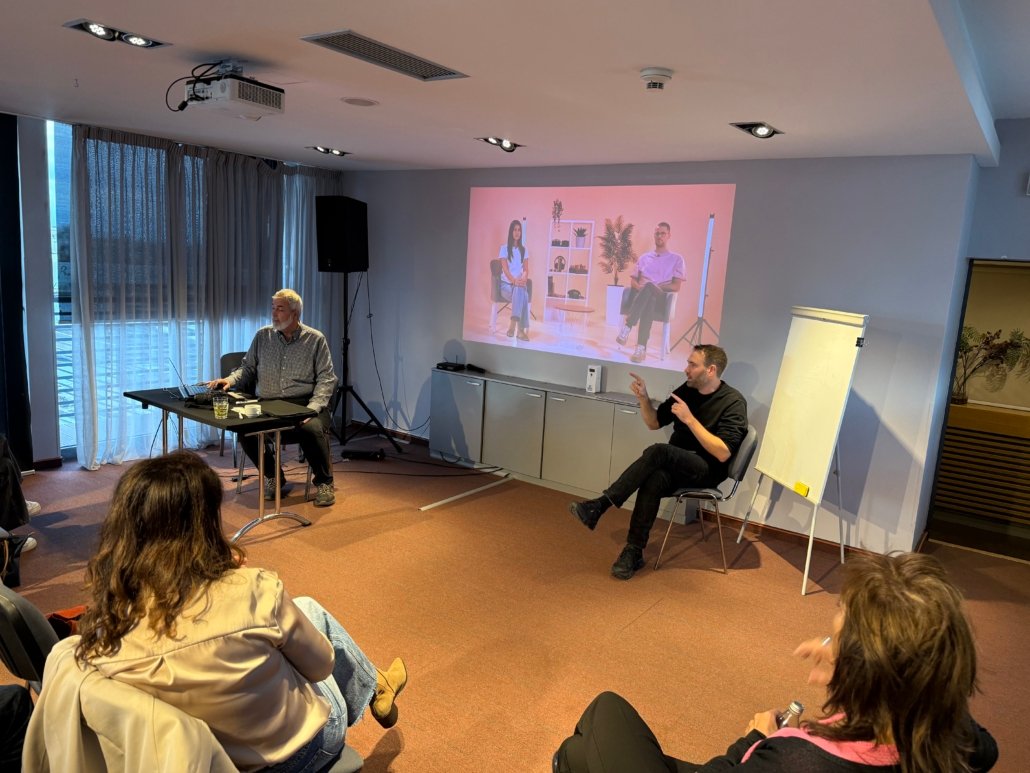
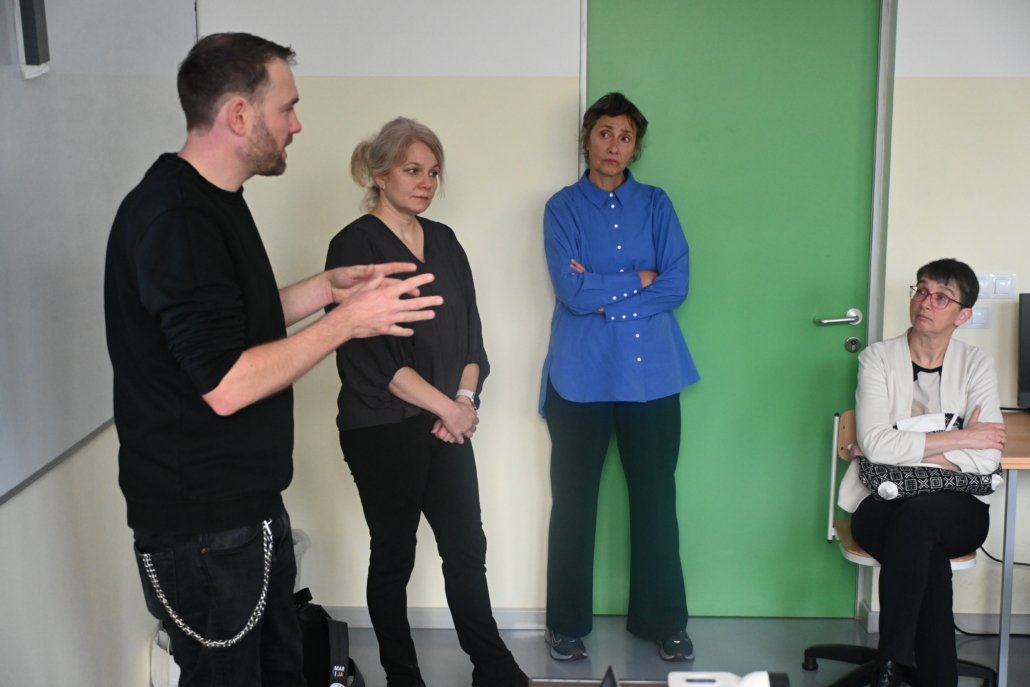
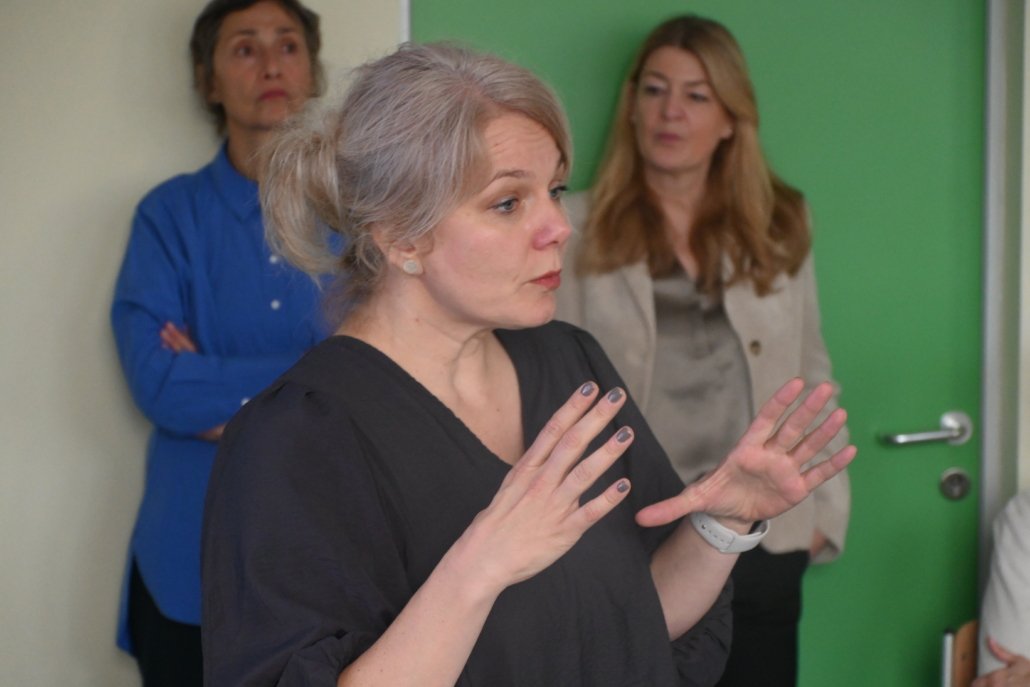
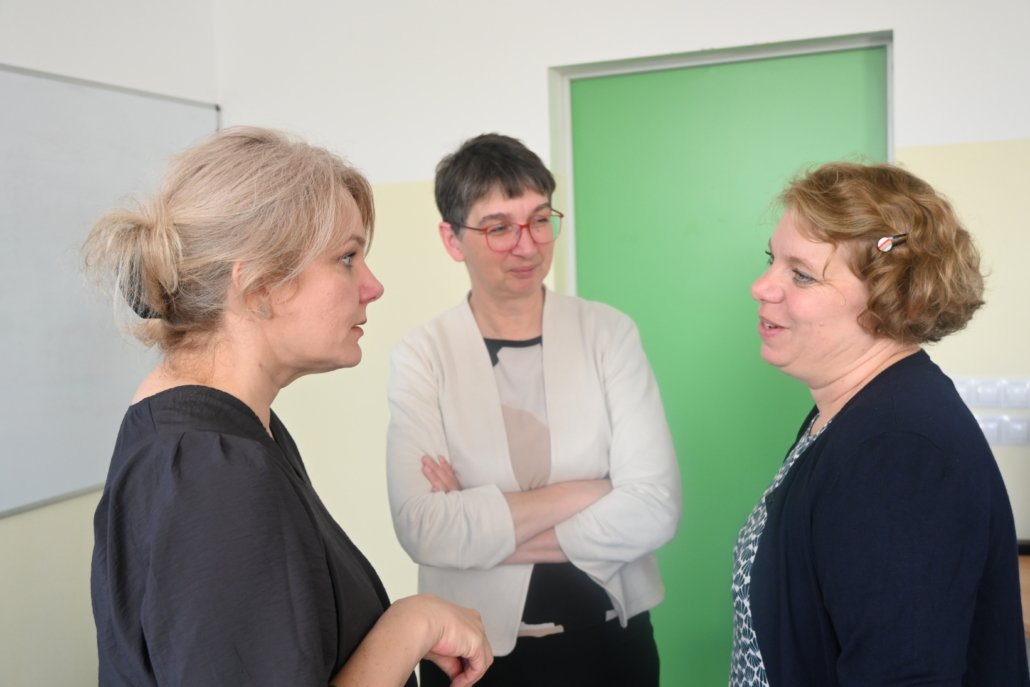
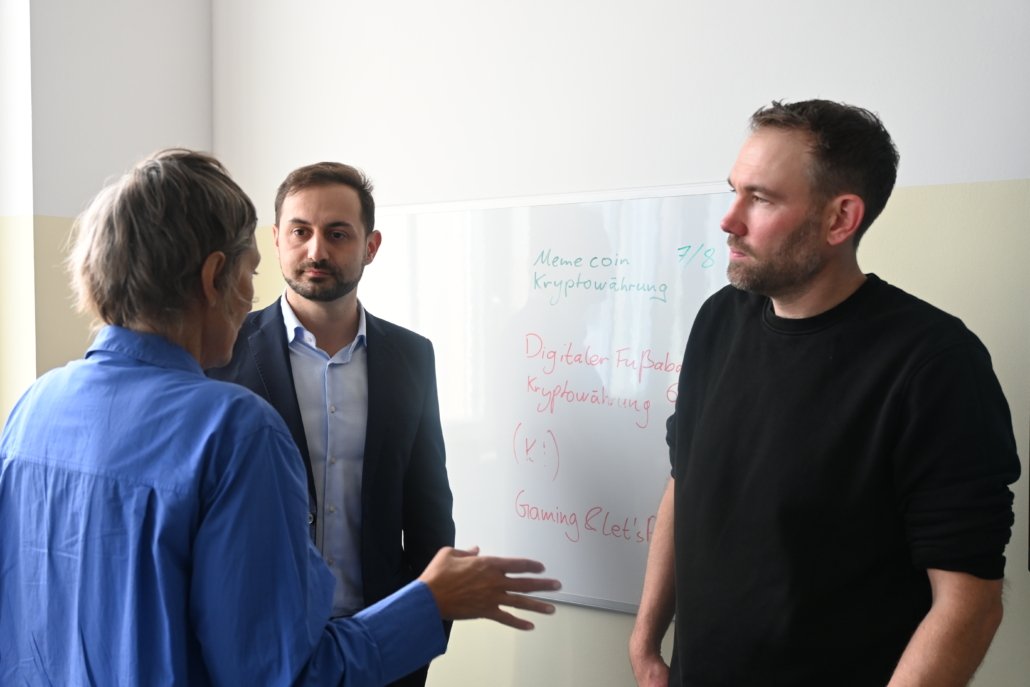
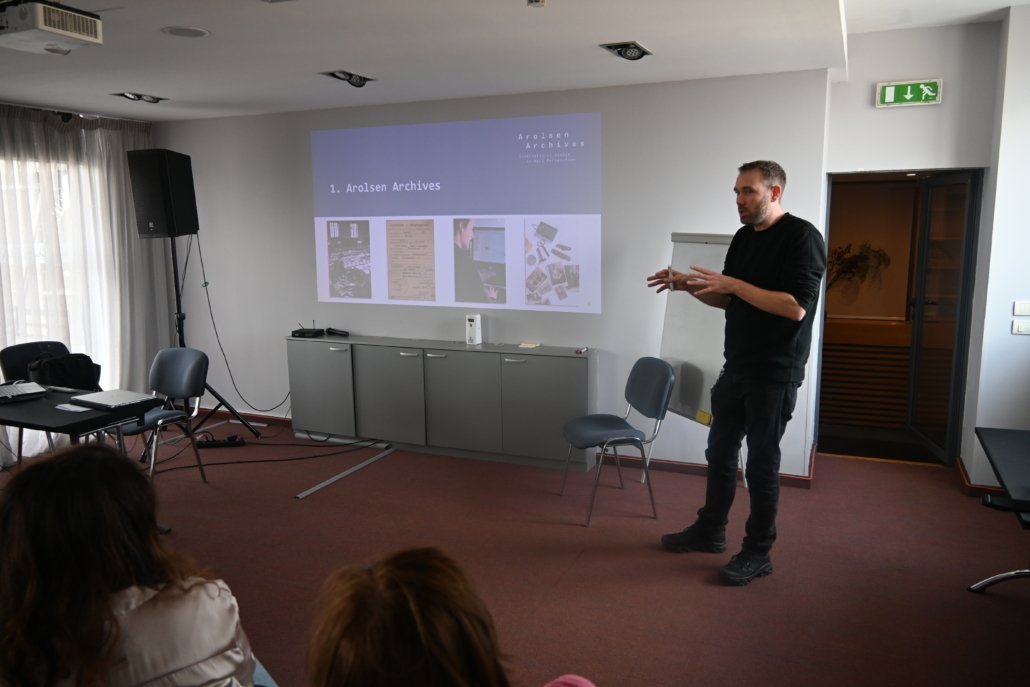
At the start of the workshops, Birte Pather (Director, Arolsen Archives Educational Department), Henning Wellmann (incoming Director), and Miško Stanišić (Director, Terraforming), introduced the project concept to participants.
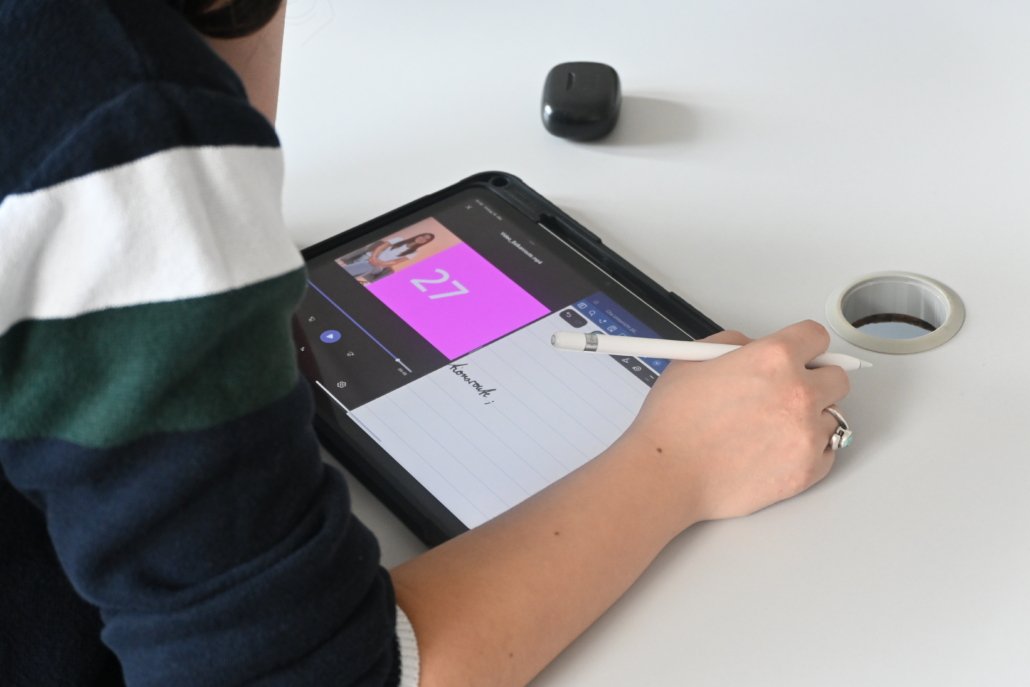
Participants had the opportunity to engage with new interactive video materials designed for Connecting Stories. In these videos, two young presenters—one from Serbia and one from Germany—guide viewers through multiple angles on migration, touching on Jewish refugees fleeing Nazi Germany, wartime displacement in the 1990s, the Gastarbeiter economic migration experience, and the migration wave of 2015.
The on-screen hosts challenge students with quiz questions that must be answered correctly for the video to progress, making learning interactive and engaging.
Fostering Critical Thinking and Cross-Cultural Dialogue
This interactive approach fosters deeper engagement with complex social issues and promotes discussion. By weaving together personal stories and historical context, the program encourages youth to reflect on migration’s impact on individuals and communities across different eras, as well as their responsibilities for civic engagement.
A Unique Program Connecting Serbian and German Students
A core strength of the program is its shared content, engaging students in both Serbia and Germany. By participating together, young people in both countries can discover the deep connections between their societies in the past and present—truly living up to the motto, Connecting Stories.
Educational Materials Soon Available
The Connecting Stories program is in its final stages and will soon launch on the Arolsen Archives website and Terraforming’s online platforms. Educators will be able to use the online resources in their lessons to support conversations about migration, memory, and human rights.

About the Project
Connecting Stories is a joint venture by the Arolsen Archives and Terraforming, providing educators in Germany and Serbia with digital, multimedia resources to teach about migration and integration. The initiative equips teachers with ready-made lesson plans and tools to foster critical thinking, digital literacy, and civic engagement. By linking historical and current viewpoints, the project deepens students’ understanding of European values like inclusion and participation, while ongoing support and training ensure teachers are confident using the materials.
Through Connecting Stories, teachers gain crucial digital and pedagogical skills to engage students in reflecting on migration—aiding the next generation in understanding European values such as diversity, empathy, and participation.
The project addresses gaps in current curricula, promotes digital resilience, and supports a more inclusive, cohesive Europe.
It is supported through the EU Erasmus+ (KA2) program.