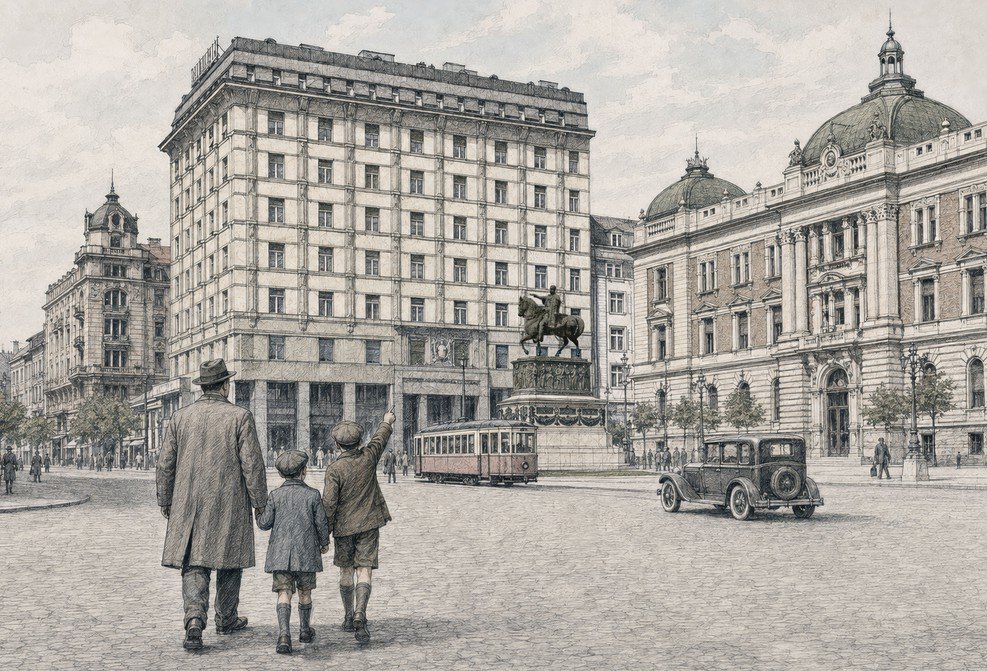
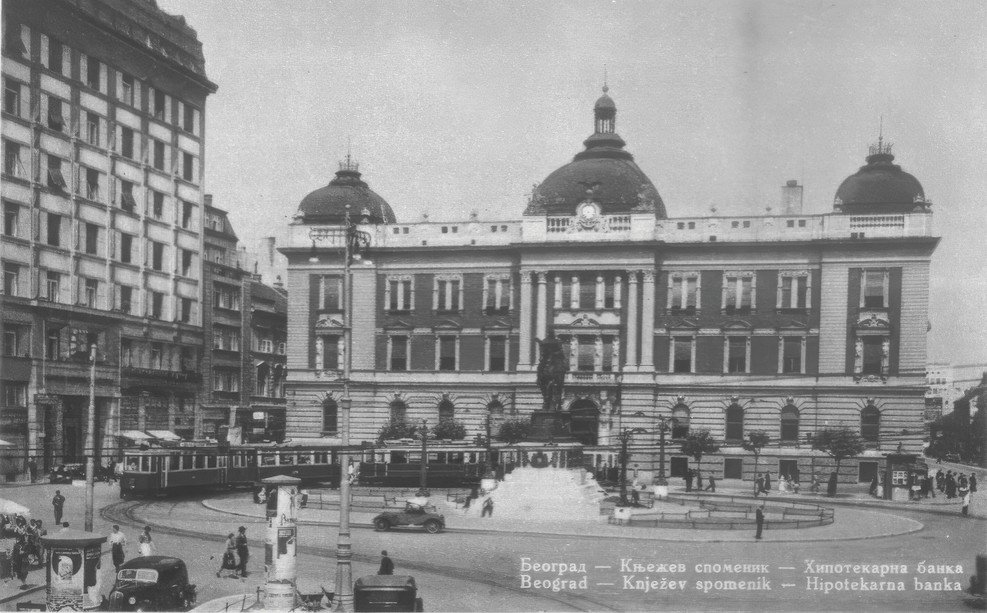
Harry, his father, and brother at Knežev Square (today’s Republic Square in Belgrade), where the Hermes Agency, Josif’s company was located.
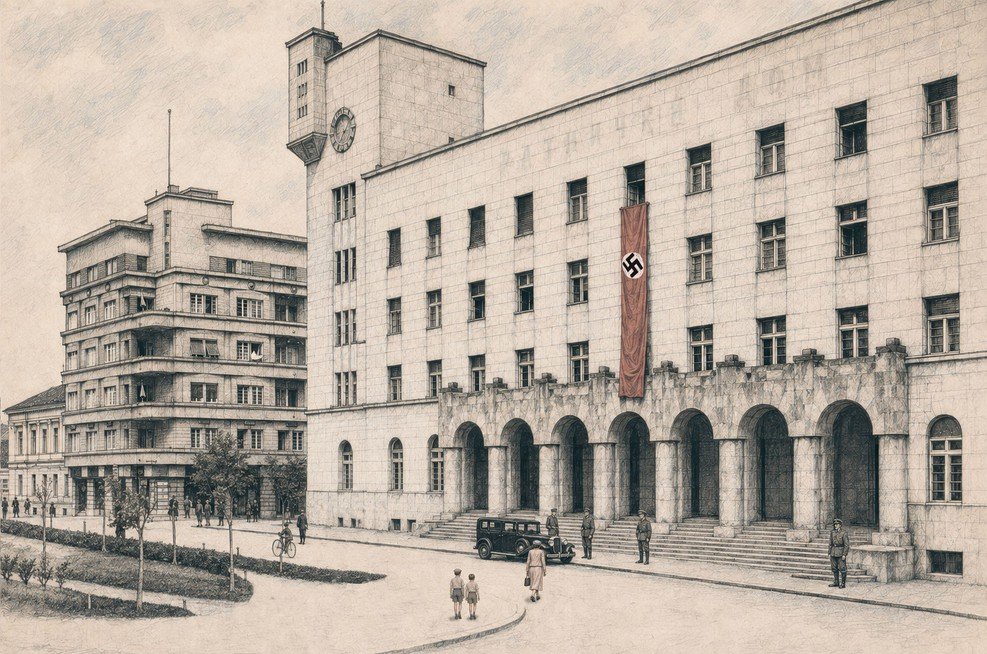
Harry’s mother entering the Gestapo headquarters, while Harry and his brother waits outside.
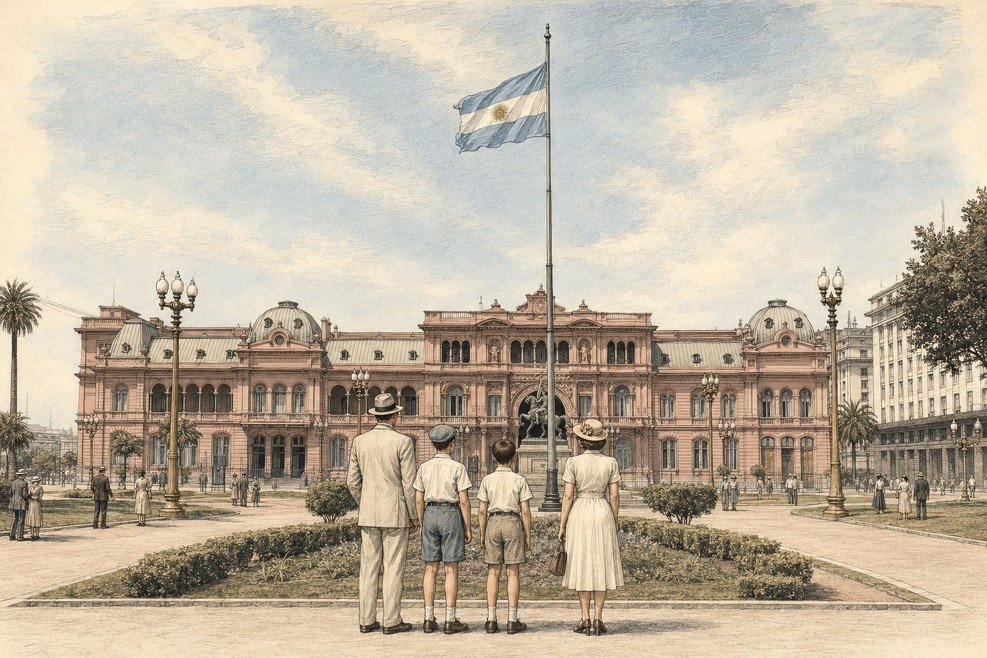
Havilio family at Casa Rosada – finally safe
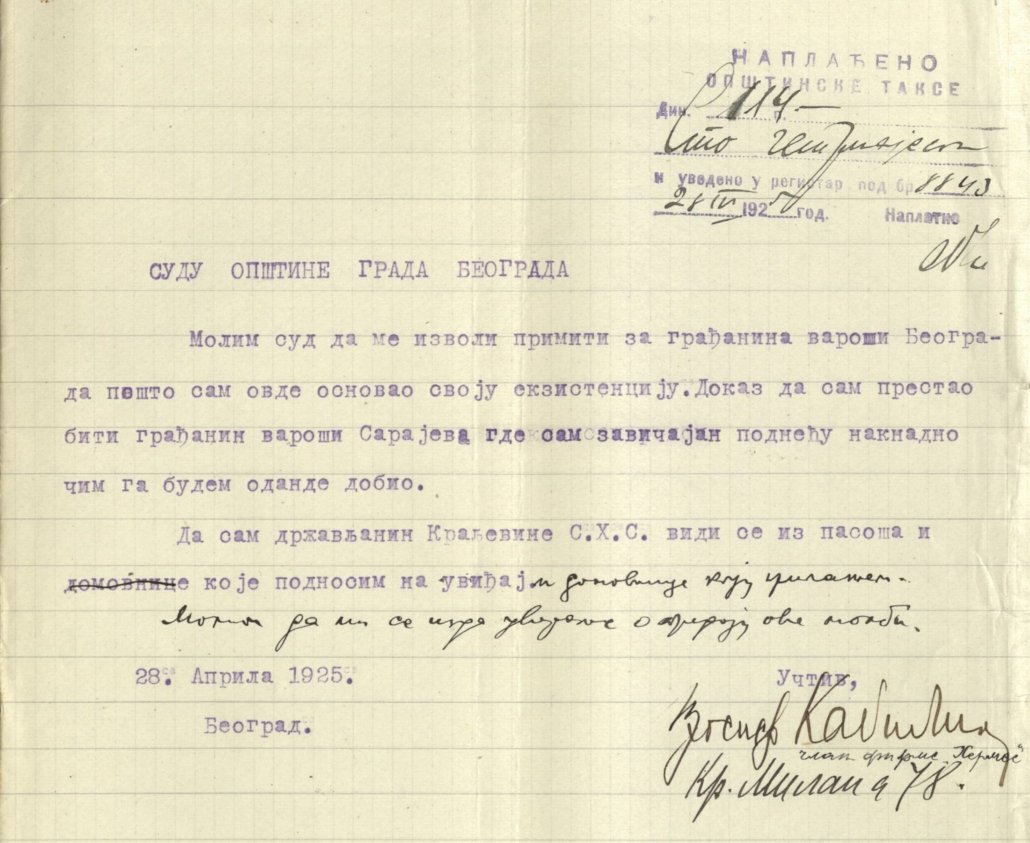
Application for Admission as a Citizen of Belgrade by Josif Kabiljo
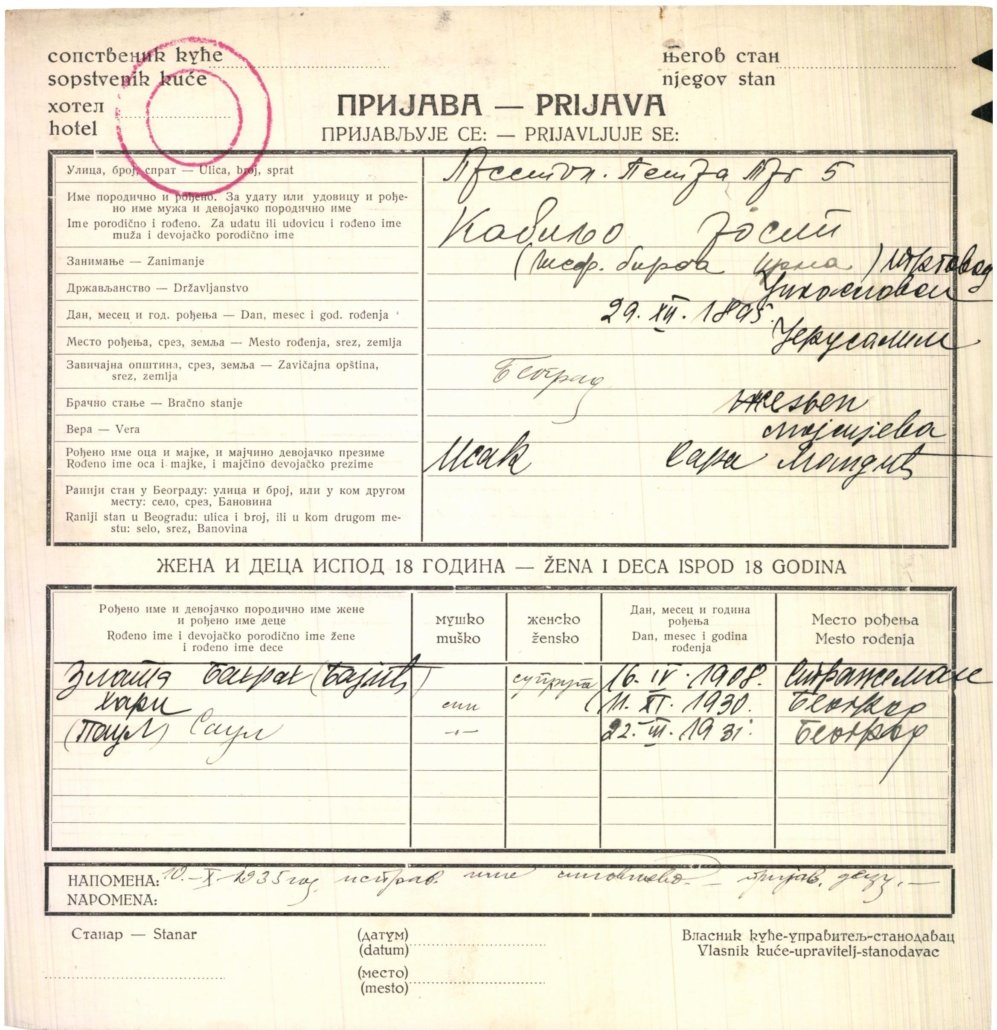
Residence Registration Form for Josif Kabiljo and Family (Wife Zlata, Children Harry and Saul)
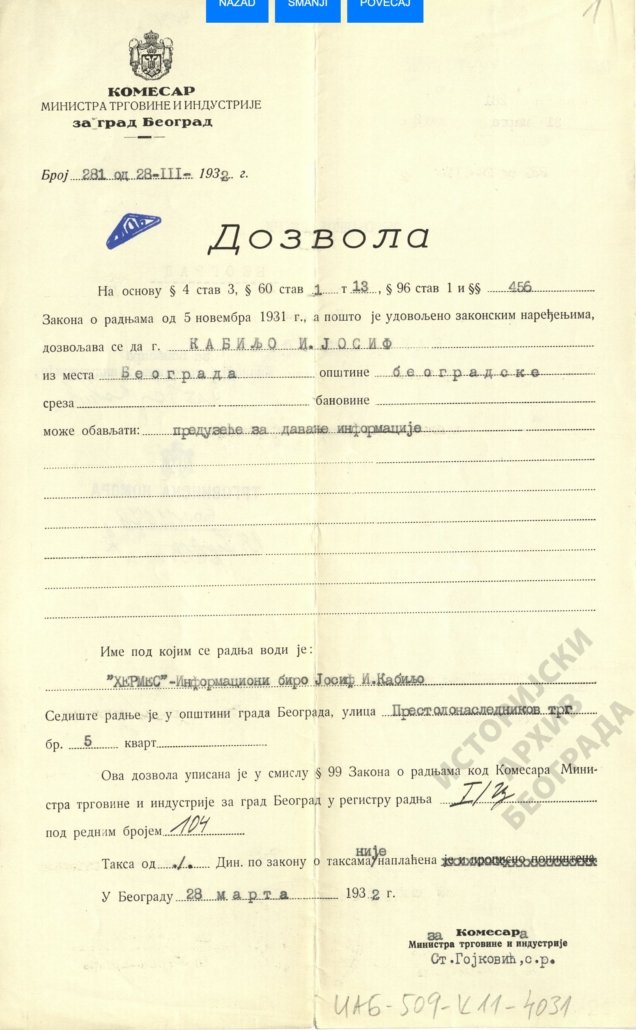
Permit to Establish the Firm “Hermes” to Josif Kabiljo
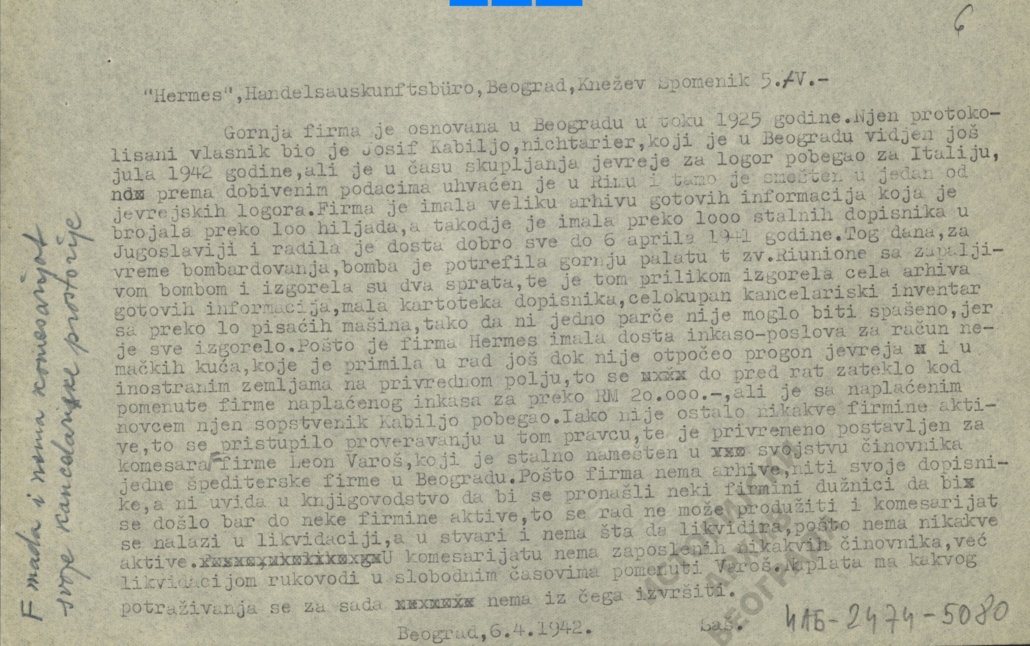
Report on Josif Kabiljo’s company “Hermes” identifies Josif Kabiljo using the Nazi term Nichtarier (“non-Aryan”)
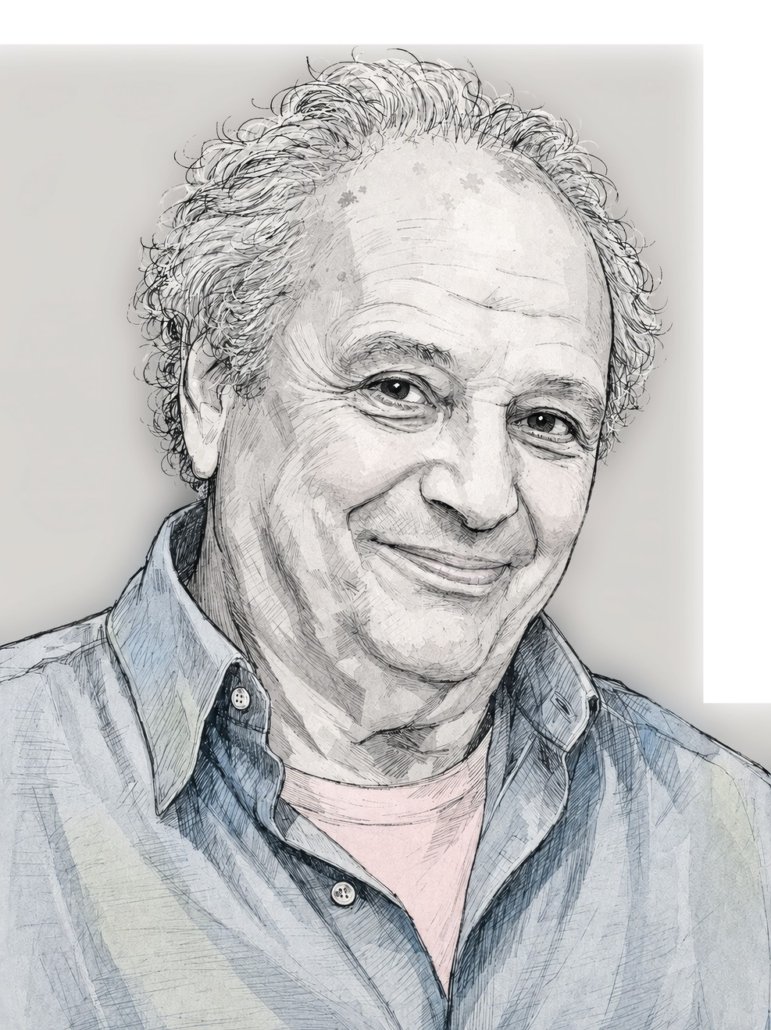
Harry Havilio
Postcard from Belgrade
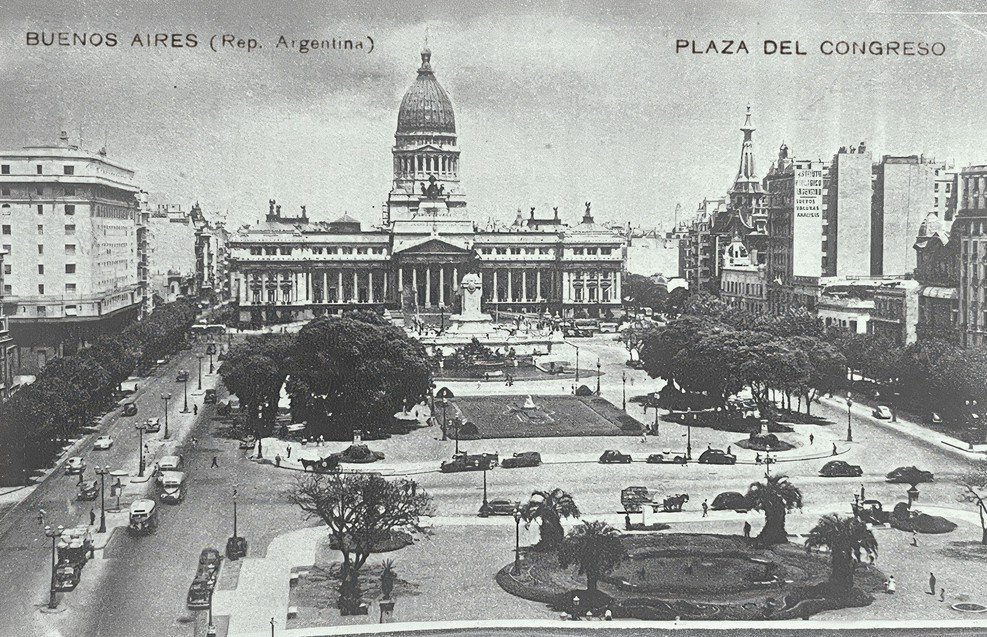
Postcard from Buenos Aires
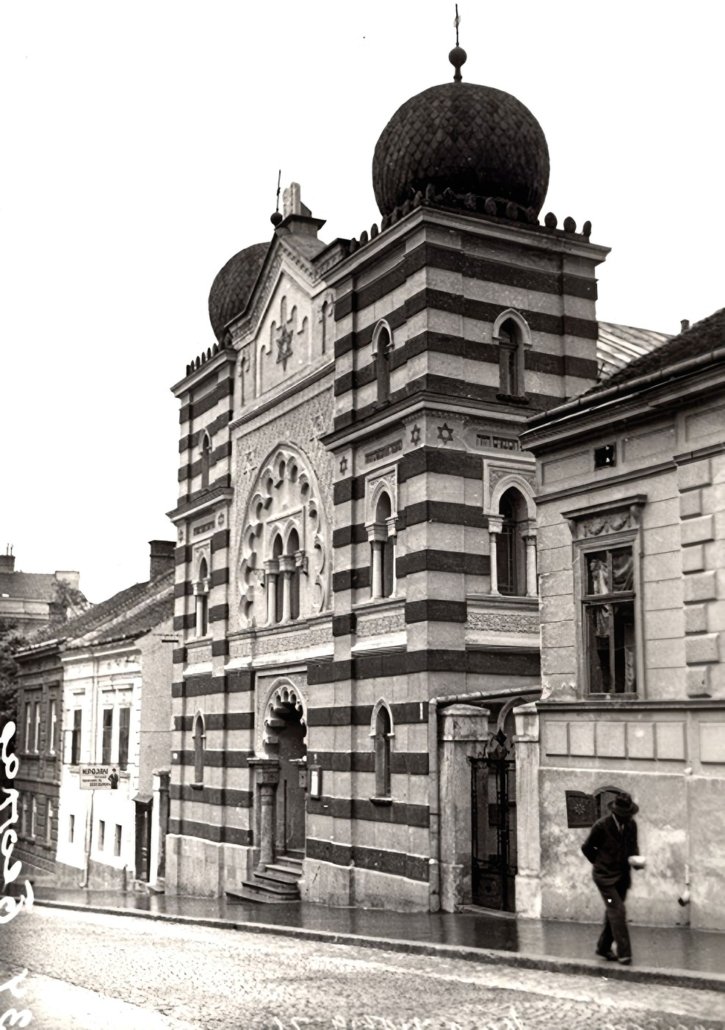
Harry’s birth was registered by Belgrade’s Jewish community, and he was named at the Ben Jisrael Synagogue on Nov 19, 1930
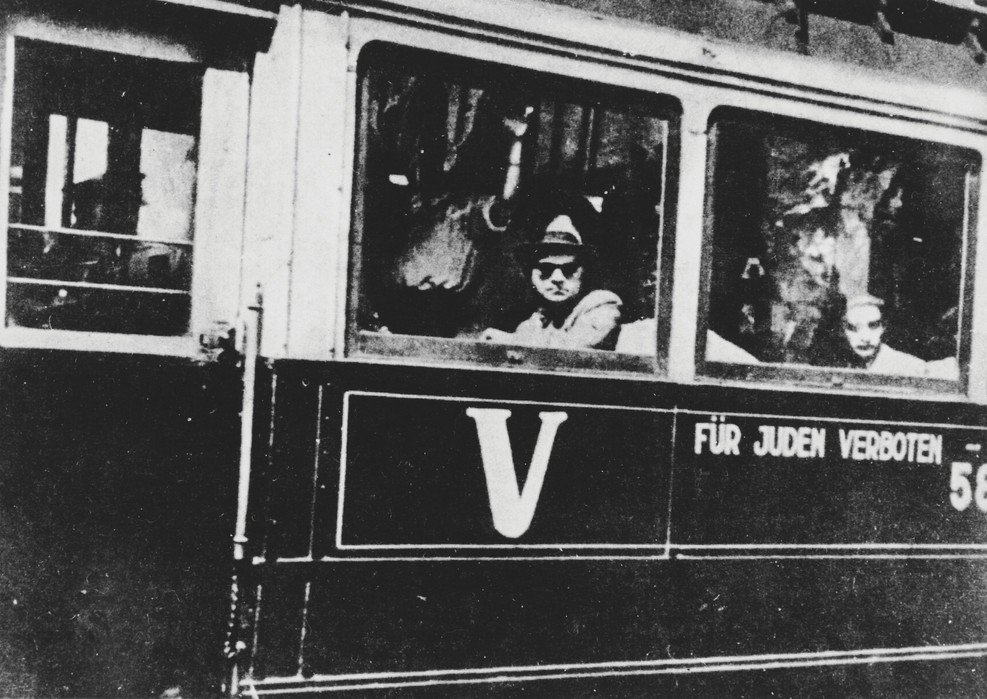
Belgrade tram with a sign “Für Juden verboten” – among many restrictions, Jews were not allowed to use public transportation anymore
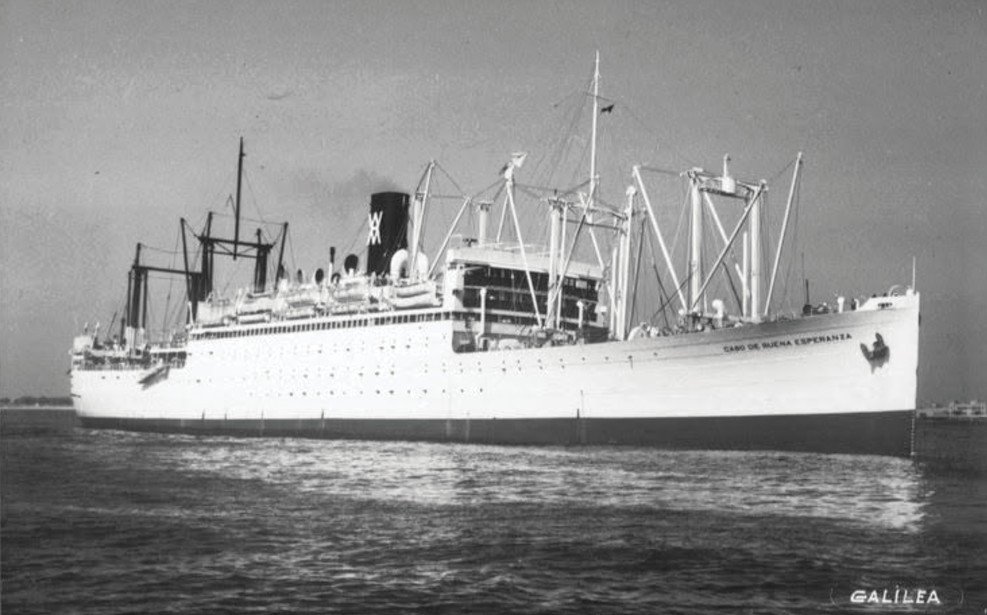
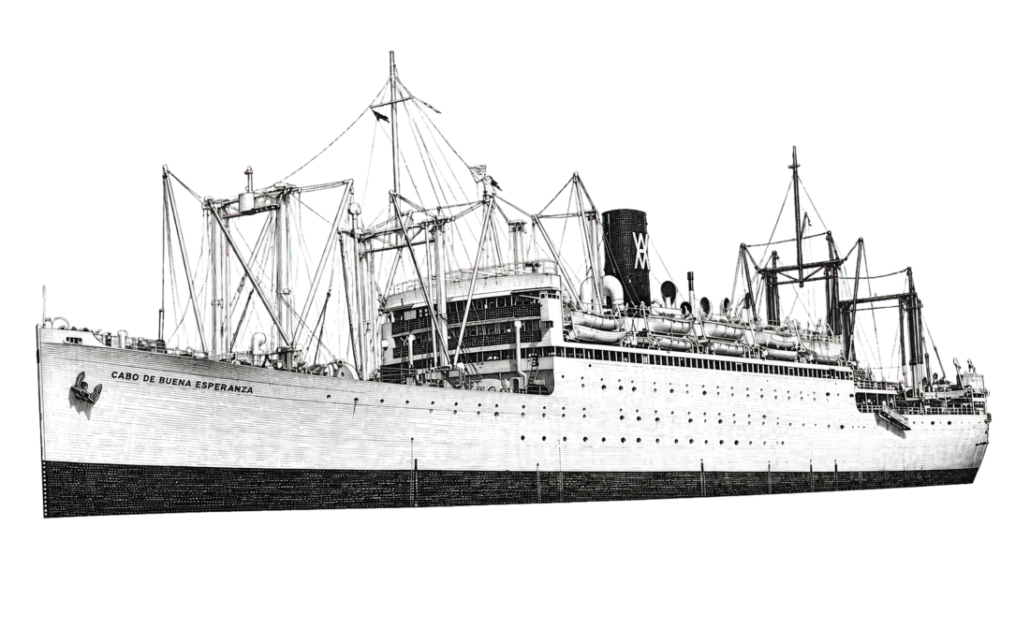
the family traveled aboard the Spanish passenger liner Cabo de Buena Esperanza—“Cape of Good Hope”—operated by Ybarra y Cía. The ship arrived in Buenos Aires on Mar 27, 1942
ROLL-UP 1
From Belgrade to Buenos Aires – the story of Harry Havilio
Isak Kabiljo, later known as Harry Havilio, was born on 12 November 1930, into a Sephardic Jewish family in Belgrade. After the German occupation in April 1941, the family spent months in hiding before escaping through Italian-annexed Dalmatia, Rome, and Barcelona. In the spring of 1942, they reached Argentina and began a new life.
Every Holocaust survivor has a different story. This one is mine.
Harry Havilio (1930–2021)
1. A JEWISH CHILDHOOD IN BELGRADE
Harry’s father, Josif Kabiljo, was born in Jerusalem in 1895, while his mother, Zlata, née Bajić, was born in 1908 in Stražeman, present-day Croatia. They married in Belgrade in 1925. Josif founded the Hermes Information Agency, which became one of the most successful companies in the country for the collection and distribution of business information. Harry was born in 1930, and his younger brother Saul in 1932. The Kabiljo family lived on Kralja Ferdinanda Street, where Harry and Saul spent their childhood.
“My mother spoke excellent German. My father spoke Italian and Spanish because our family was Sephardic. At home, they spoke Ladino—the old form of Spanish preserved by Sephardic Jews.”
Before the war, around 82,000 Jews lived in the Kingdom of Yugoslavia—approximately 0.5% of the population. Diverse in language, occupation, social position, and religious practice, Jewish citizens participated widely in the country’s economic, cultural, and public life.
2. WAR, PERSECUTION AND HIDING
Germany and its Axis allies invaded Yugoslavia on 6 April 1041. After the country’s defeat, Germany established a military occupation administration in most of Serbia, while other parts were annexed by Hungary, Italy, Bulgaria and the Independent State of Croatia. In Serbia, the German occupation authorities introduced anti-Jewish measures that excluded Jews from professions, schools, and public life, imposed forced registration and identification, confiscated property, and prepared the way for mass arrests and murder.
“I was in the fourth grade of elementary school. Only a week after the occupation, I was no longer allowed to attend school simply because I was Jewish. My younger brother and I had to wear yellow identification badges.“
The Kabiljo family faced immediate danger as persecution and arrests intensified. A German officer occupied their home. Because of the nature and prominence of his business, the Nazi authorities searched for Josif Kabiljo. The family abandoned their home and went into hiding.
“We moved from one house to another, staying with Serbian Christian families who were willing to help. The people who sheltered us, whether in their own homes or in small rooms on rooftops, not only risked their own safety but also shared what they had with us. If a family received one loaf of bread, they shared it with us, even though we were another family of four.”
A preserved report about Josif Kabiljo’s firm identifies him using the Nazi term Nichtarier (non-Aryan) and records that the company’s archive was destroyed in the bombing of Belgrade. Like other Jewish-owned companies, it was placed under a commissioner and liquidated. The appointment of commissioners was part of the bureaucratic process through which Jewish-owned businesses were confiscated and robbed.
“We had to change hiding places frequently. There was always the danger that someone—a building caretaker or a neighbor—might notice something suspicious and report us. Every twenty days or so, we had to find another refuge. Each time, we left before dawn, carrying only a small bag with our belongings.”
Resistance to the occupation spread across Serbia in the summer of 1941. German forces responded with mass reprisals against civilians and opponents. Many Jews joined the resistance, both to survive and to fight the Nazis and their collaborators.
“Together with many other people who happened to be passing by, we were forced to witness the public execution of three young men and one young woman, accused of being partisans. Two of them had already been hanged from the street lamps. A military band was playing while the execution took place. We had no choice but to stand there and watch. It was meant as a warning, to terrorize the population and discourage any form of resistance.”
ROLL-UP 2
3. FALSE PAPERS: ZLATA’S COURAGE
Harry recalled that a former employee of his father’s company, a local German man who had risen to a high-ranking officer, helped the family obtain false identity documents. Zlata’s courage was decisive.
“Obtaining those papers was possible because of my mother’s extraordinary courage. My mother climbed the long staircase leading to the Gestapo headquarters in Belgrade. My brother and I had to remain outside. My father could never appear there. Had he entered the building, he would have been arrested immediately and most likely executed. My mother went in alone—and came back with the documents that would save our lives.”
“Many women saved their families, or at least risked everything trying to save them. I believe they have never received enough recognition for what they did. My own mother was one of them.”
4. THE LONG JOURNEY TO SAFETY
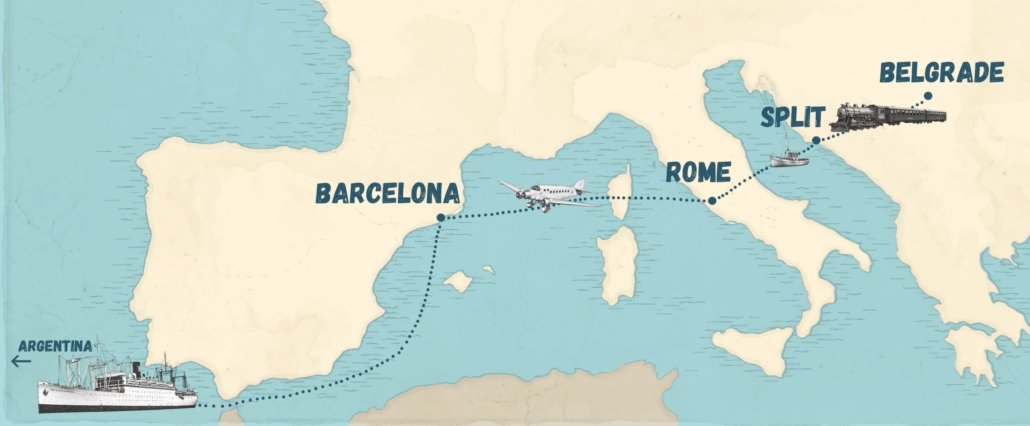
In 1941, the family left Belgrade using false documents identifying them as Catholics. They crossed Ustaša-controlled territory and reached Split, annexed by Fascist Italy. Jewish refugees there faced surveillance, restrictions, scarcity, and possible internment, but Split offered temporary, precarious refuge from the greater danger in German-occupied Serbia and the Ustaša-ruled Independent State of Croatia.
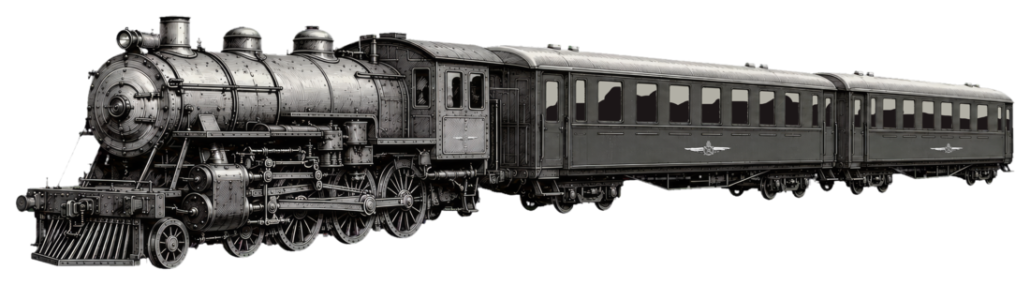
“Eventually, we managed to leave Belgrade by train. Our destination was the Adriatic coast, which at that time was under Italian occupation. Halfway through the journey, the Ustaše ordered everyone off the train. My brother and I were carrying the family money concealed inside the soles of our shoes. I remember that the entire situation was deeply traumatic. But we managed to pass through.”
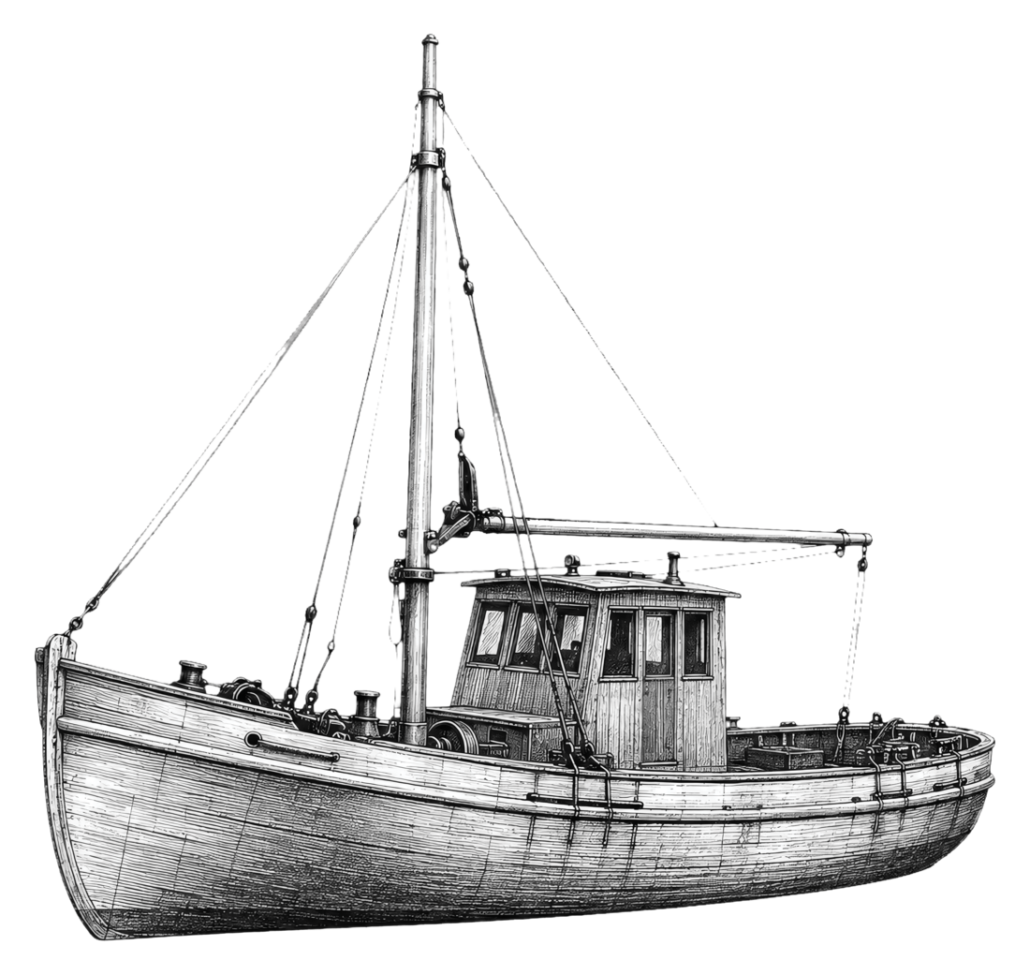
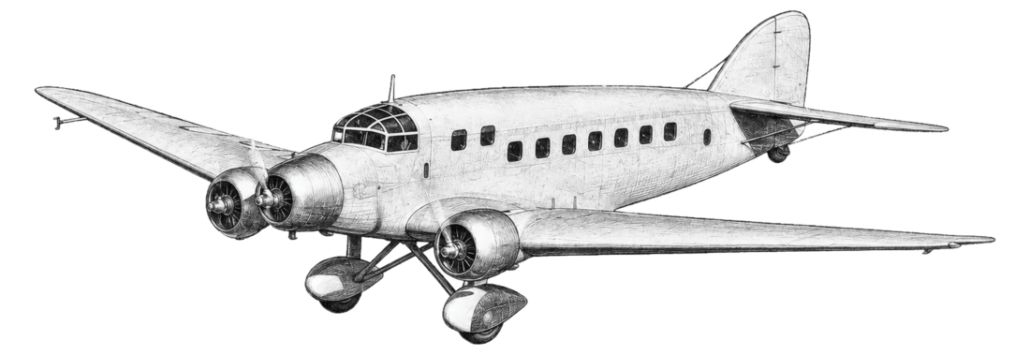
An Argentine consul in a small Adriatic port helped the family obtain visas. In early 1942, they escaped by fishing boat to Italy and reached Rome. The family remained in Rome as they tried to find a way to continue their journey.
From Rome, the family reached Barcelona. The Spanish authorities recognized that the documents were false but chose not to intervene. The family was finally able to board a ship for Buenos Aires.
5. A NEW LIFE IN ARGENTINA
The family crossed the Atlantic aboard the Spanish passenger liner Cabo de Buena Esperanza—“Cape of Good Hope”—which arrived in Buenos Aires on 27 March 1942.
In Argentina, the family rebuilt their lives. Josif, now José Havilio, worked to establish a trading business, but it took years for the family to achieve financial stability.
Harry studied in Buenos Aires and at Stanford University, where he earned a master’s degree in the history of philosophy. After returning to Argentina, he opened a gift shop that developed into a major import–export business.
In the early 1980s, in his 50s, Harry began a second career as an actor. Performing as Harry Havilio, he worked in Argentine theatre, film, and television into old age.
Harry Havilio died on 18 July 2021, aged 90.
Harry’s video testimony (QR code)
Terraforming’s webpage about Harry (QR code) (a more detailed story about Harry Havillio will be available on our website)
IMPRESSUM
Records contain variants of the family name, including Kabiljo, Kabilio, and Havilio. The exhibition uses Kabiljo for the family’s life in Yugoslavia and Havilio in Argentina. Harry’s words are translated from Spanish and lightly edited for length and clarity. The illustrations follow the methodology developed for Ester, Terraforming’s platform of historically researched educational graphic novels. Based on Harry’s testimony, archival documents, and historical photographs, they combine AI-assisted image development with manual editing and digital drawing.
Production: Terraforming Author: Miško Stanišić Research: Jovana Savić In cooperation with the Argentine Embassy in Belgrade and Centro Ana Frank Argentina