web analytics

FNF – Frozen Silence in Testimonies, Archival Records and Graphic Novels

Frozen Silence in Testimonies, Archival Records and Graphic Novels

International professional training and public program on the occasion of the Novi Sad Raid Remembrance Day
CS Egység, Novi Sad, 22-23 January 2025

FNF trening
FNF trening
FNF Trening

The program is part of a wider international project Facts not Fiction in which Terraforming collaborates with partners Arolsen Archive, EuroClio and the Intercultural Institute Timisoara, within the CERV program under the auspices of the European Union.

FNF Logo partners

Professional training

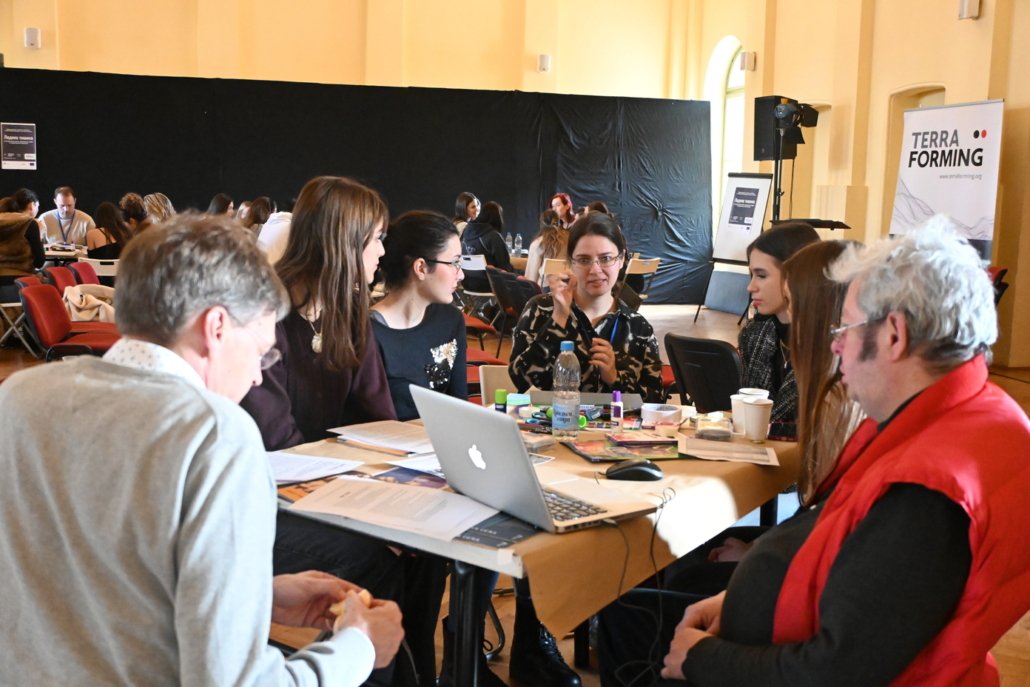
From 21 to 23 January in Novi Sad, Terraforming held professional training for graphic novel creators and others interested in working on narratives about the Holocaust and other topics from the Second World War in a contemporary and educational way through such a visual language. Participants from Germany, Denmark, the Netherlands, Romania and Serbia were comic book authors and illustrators, visual artists, historians, and teachers who, through the Facts not Fiction project, work on creating graphic novels with their students as part of local research projects.

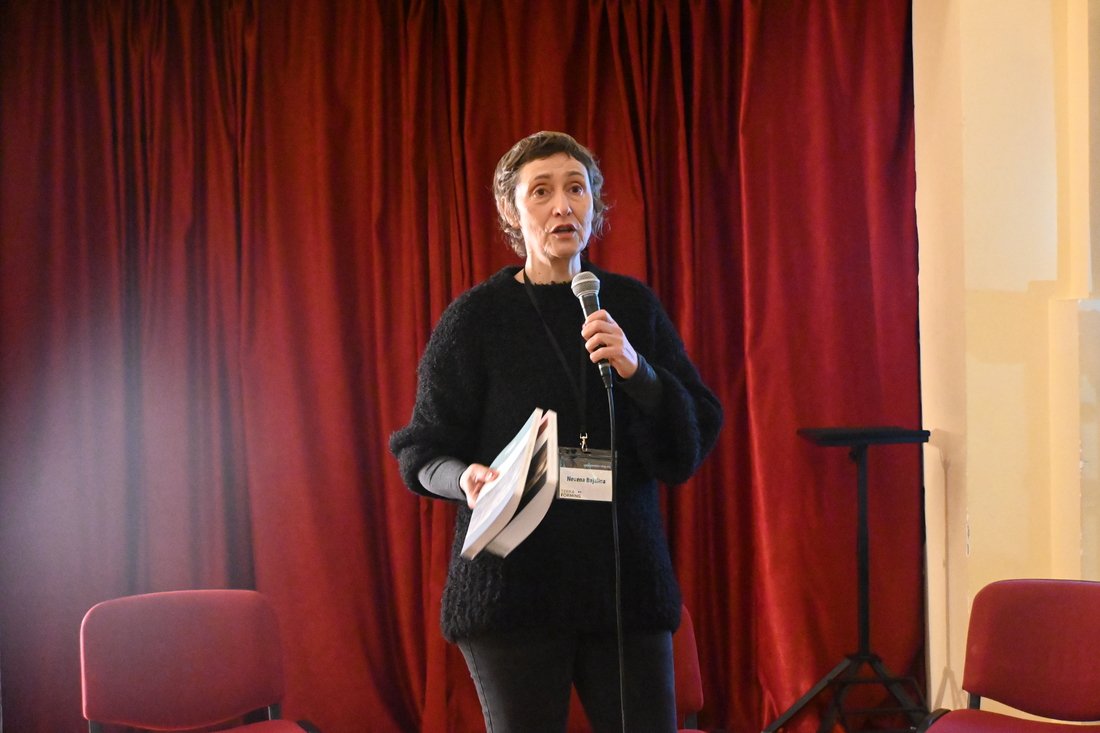
On the first day of the program, Nevena Bajalica (Terraforming) led the introductory part, and Eugenie Khatschatrian (EuroClio) presented the objectives of the training. Miško Stanišić (Terraforming) gave a lecture on the concept of “Ester” and the process of creating educational graphic novels, the research process, the role of experts such as historians, archivists, curators and guides, as well as the local community. He also presented the microhistorical approach and how it is used to present the stories of Holocaust victims.

Prof. Dr. Dragana Stojanović (Singidunum University) held a workshop Holocaust in Media and Popular Culture, analyzing how graphic novels, as well as other formats, can communicate the Holocaust without simplification and “iconization”.

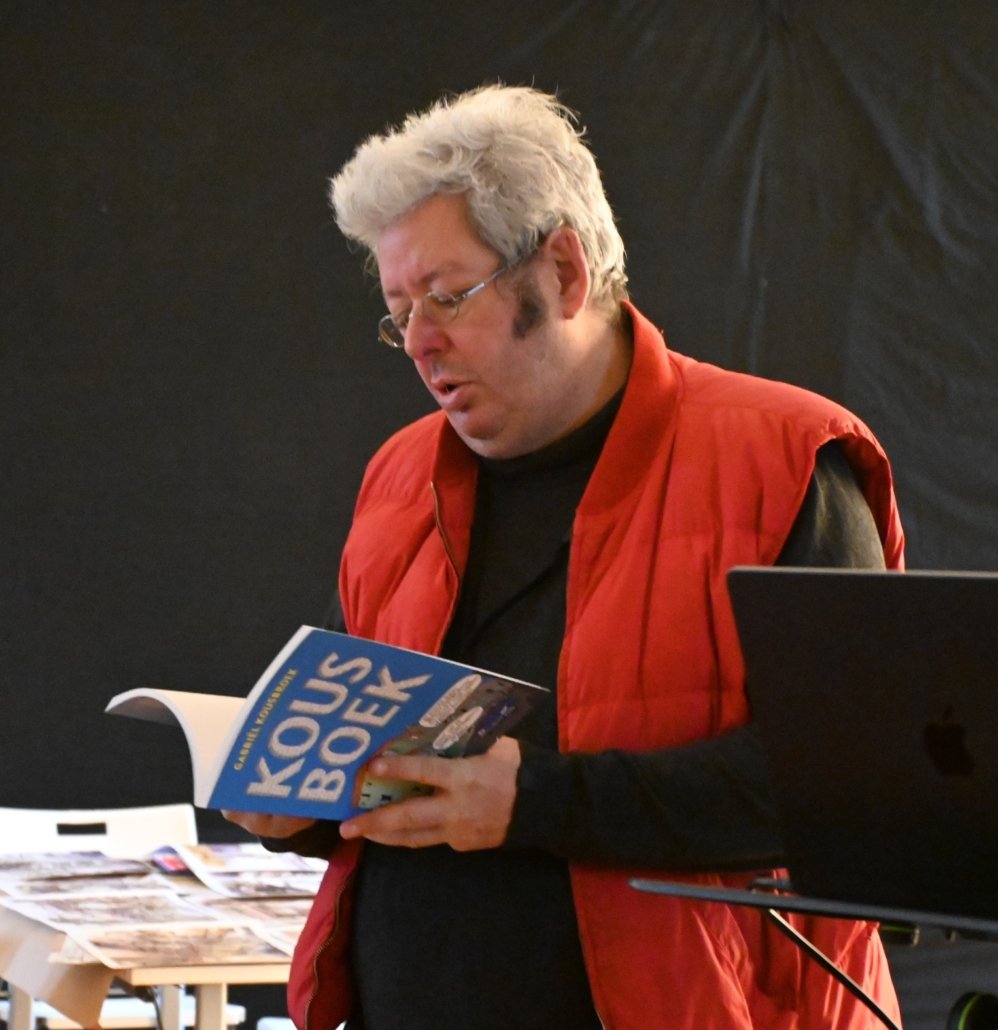
Amsterdam-based artist Gabriel Kousbroek (Gaapmedia) presented examples of graphic novels about the Holocaust and totalitarian regimes, and how humor is used in narratives. Dunja Branovački (Assistant Professor at the Department of Fine Arts in the Department of Illustration, Academy of Arts in Novi Sad) led a practical workshop on Bringing Stories to Life, where participants created scenes with a focus on emotions and details. The day ended with a reflection session moderated by Birthe Pater and Henning Wellmann (Arolsen Archives).

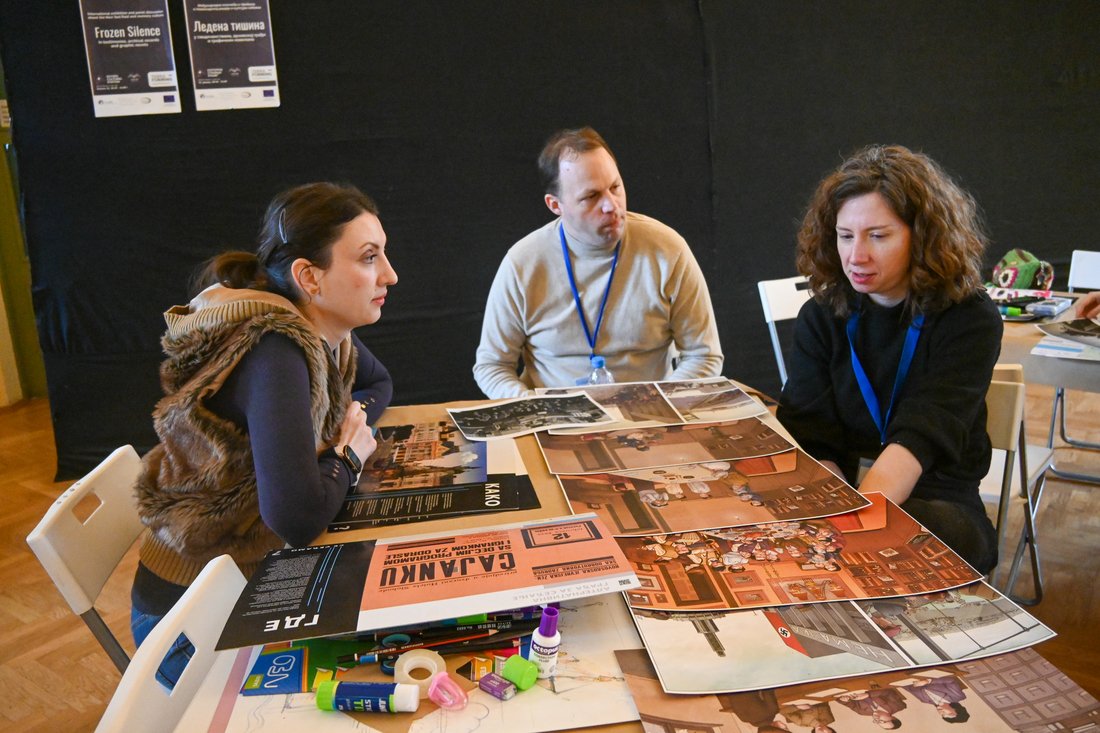
On the second day, Miško Stanišić led a workshop in which the participants did a group analysis of illustrations about the lives of Holocaust victims. Gabriel Kousbroek introduced different storyboard formats. Miško Stanišić then presented the historical context of the Holocaust in Serbia, with special reference to the Novi Sad Raid (21-23 January 1942). After that, the participants walked from Egység to the Quay of the Novi Sad Raid Victims and participated in the official commemoration attended by citizens, representatives of Jewish and Serbian victims, a rabbi, Serbian Orthodox priests, and other officials. The group was joined by 25 Belgrade high school students with their teachers.

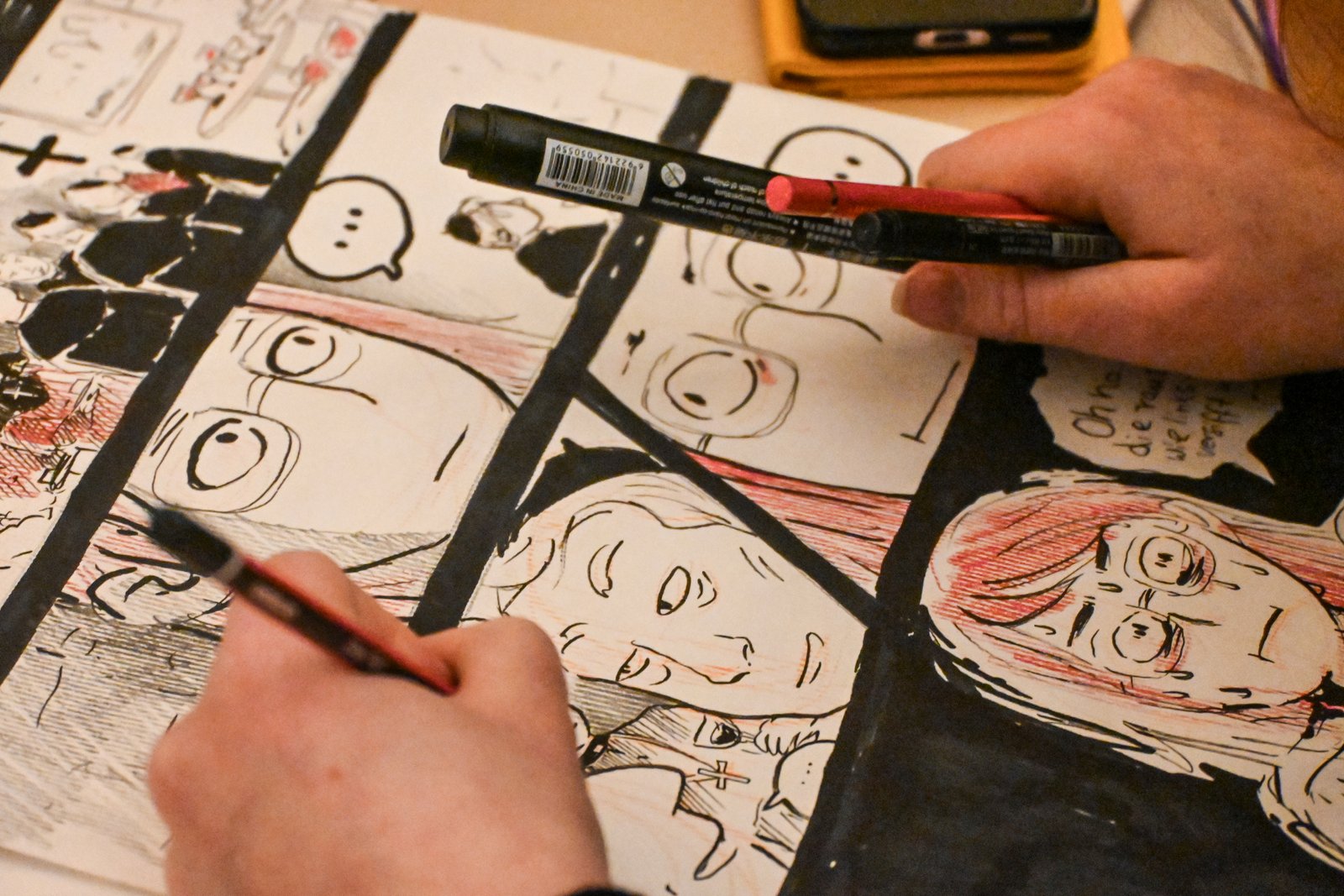
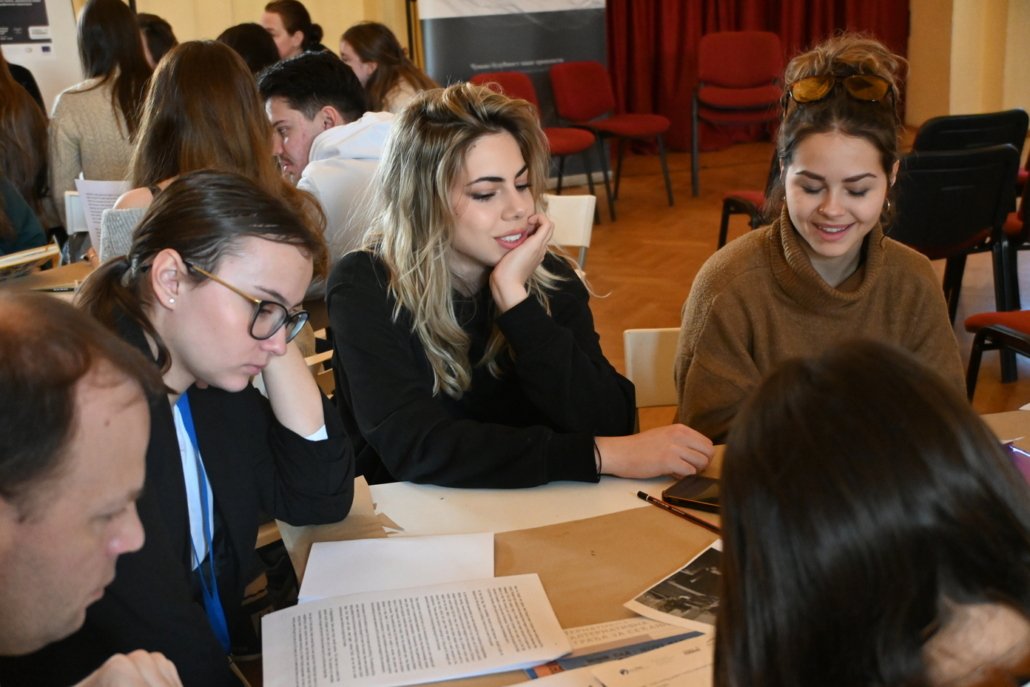
Upon their return to Egység, the participants of the training, together with Belgrade high school students, were divided into groups to analyze the testimonies of the Jews of Bačka who survived the Raid and the Deportation (excerpted from the new book “Stories of Death and Life from Box 183” published by Terraforming), to discuss the ways of presenting these testimonies through the visual language of graphic novels, and to create storyboards and drafts for these works. All this material was exhibited on the wall in Egység, which formed the backbone of the exhibition that citizens could see in the evening program. Students from Belgrade and international training participants achieved extraordinary exchange and cooperation through mutual learning and inspiration.

Public program on the occasion of the Novi Sad Raid Remembrance Day with international guests:
Frozen Silence in Testimonies, Archival Records and Graphic Novels

CS Egység, Novi Sad, 23 January 2025

Panel Program Eđšeg 2025

International Program on the occasion of the Day of Remembrance of the Victims of the Novi Sad Raid

Terraforming hosted an event on January 23 at 6:30 p.m. at the Egység Cultural Station on the occasion of marking the Remembrance Day of the victims of the Novi Sad Raid.

As part of the program, visitors had the opportunity to see the works of the participants of the two-day workshop. Artists and educators from Germany, Denmark, the Netherlands, Romania and Serbia, as well as students of the III and XIV Belgrade Gymnasiums , created works based on the testimonies of Bačka Jews who survived the Raid and Deportation.

Discussion on Testimonies in Times Without Living Survivors and Visual Narration and Graphic Novels in Holocaust Memorialization

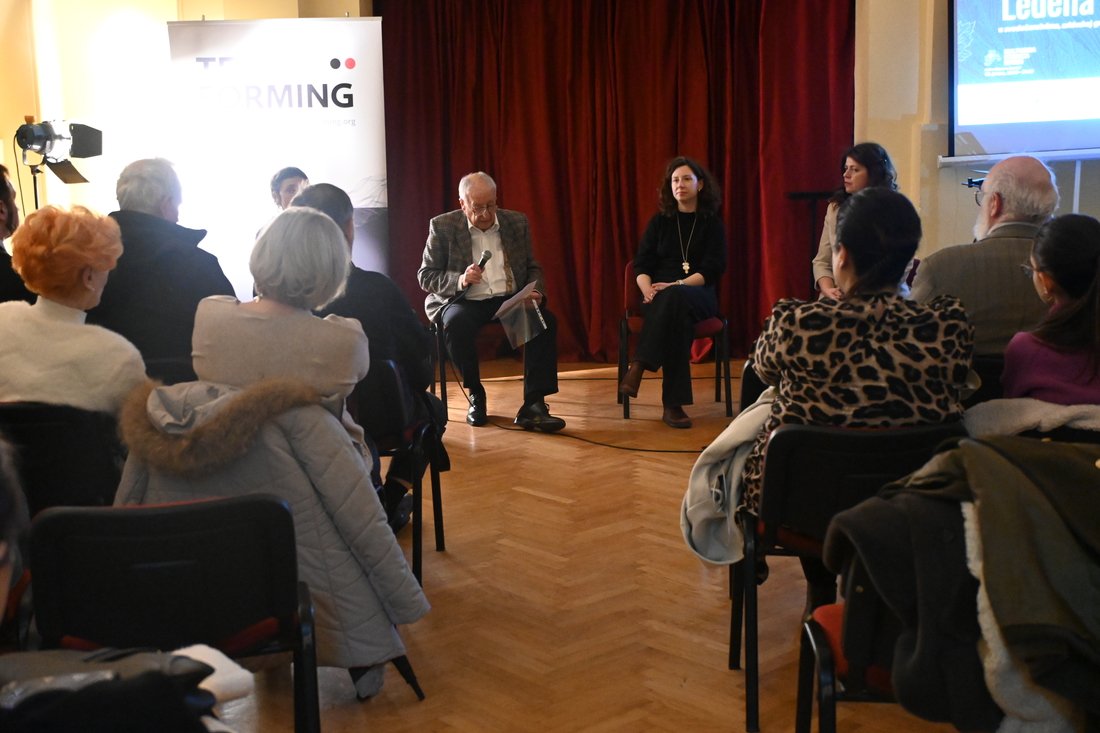
In the first part of the program, Nevena Bajalica led a panel in which the following participated:

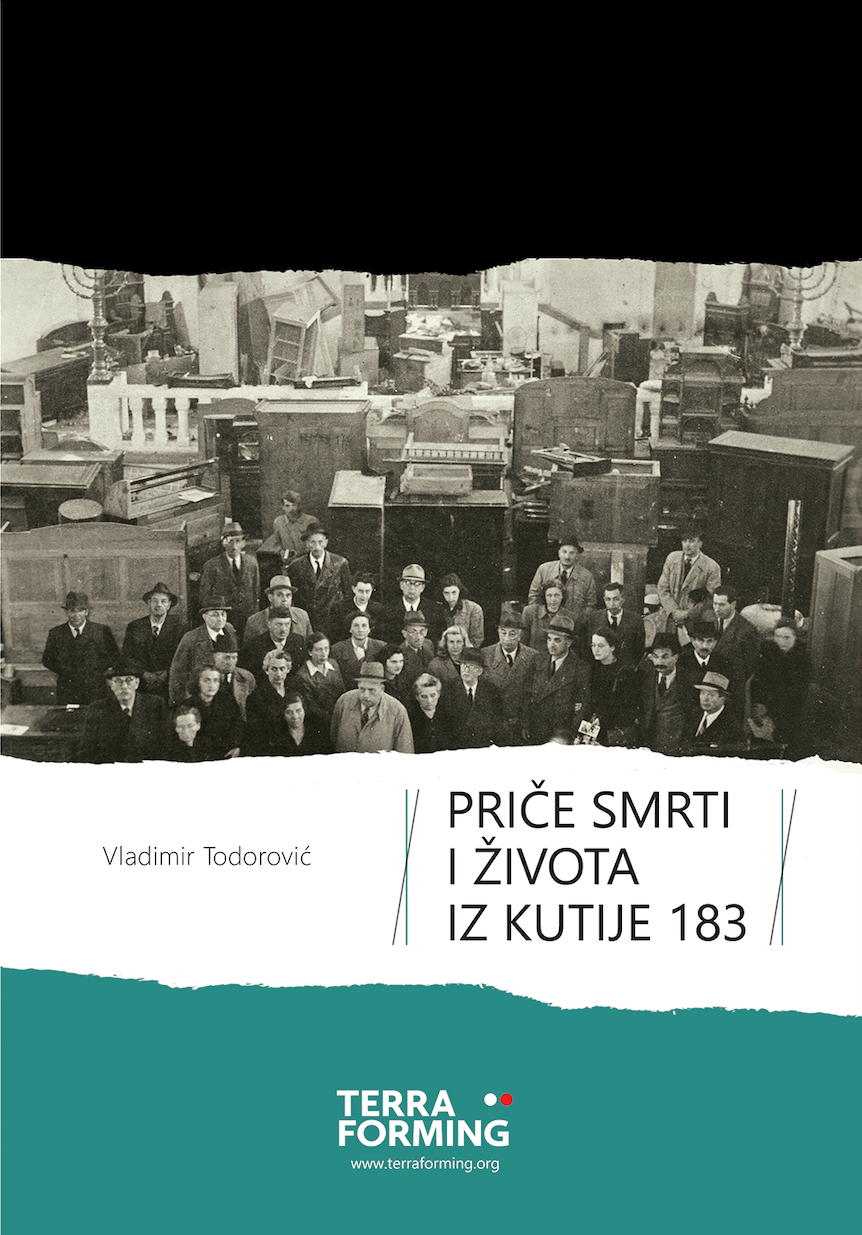
  • Vlada Todorović, author of the book Stories of Death and Life from Box 183, a new collection of survivors’ testimonies, records, and a list of names of the victims, published by Terraforming,
  • Prof. Dr. Dragana Stojanović, Faculty of Media and Communication, Singidunum University of Belgrade,
  • Maja Keskinov, a philosophy teacher at the XIV Belgrade Gymnasium,
  • Dana Stojiljković, a student of the XIV Belgrade Gymnasium.

They discussed the new book by Vlado Todorović, the importance of testimonies in the contemporary culture of remembrance, especially at a time when we are being left without living witnesses of the Holocaust, as well as how interesting and innovative the encounter with authentic material and the approach to memorialization through the language of visual narration and graphic novels was for the participants of the workshops over the past two days.

A Conversation on the Communication of the History of the Holocaust through the Language of Graphic Novels

After the first panel, the attendees were addressed by Pawel Voronin, First Secretary of the Embassy of the Federal Republic of Germany, and Prof. Dr. Dragana Ćorić, Provincial Protector of Citizens – Ombudsman.

Miško Stanišić led the second part of the program. Participants in the panel were:

  • Birthe Pater, Director of Education at the Arolsen Archive, responsible for developing educational resources and initiatives that help young people engage in the study of the history of the Nazi period and its impact on modern society. The Arolsen Archive is an international center for documentation, information, and research on Nazi persecution, forced labor, and the Holocaust in Nazi Germany and the occupied territories. The archive contains about 50 million documents from concentration camps, details of forced labor and files on displaced persons.
  • Gabriel Kousbroek, an illustrator and author from Amsterdam, known for his illustrations published in magazines such as “De Groene Amsterdammer” and “de Volkskrant”. His work spans various media, including comics, illustrations, and sculptures. He is one of the illustrators in Terraforming’s collection “Ester”.
  • Prof. Dr. Kees Ribbens, Senior Research Fellow at the NIOD Institute for War, Holocaust and Genocide Studies in Amsterdam, and Associate Professor of Popular Historical Culture of Global Conflict and Mass Violence at Erasmus University Rotterdam. His research focuses on how memories of war, genocide, and mass violence in the twentieth and twenty-first centuries are represented through words and images, with a particular interest in comics and graphic novels.
  • Lene Markusen is a Danish visual artist and film director, former professor at the University of Fine Arts in Hamburg and visiting lecturer at the European University in Flensburg.

This interesting conversation with outstanding international experts touched on the relevance of history for young generations, the issue of an inclusive culture of remembrance, and visual narrative language as a medium for Holocaust education.

A new collection of testimonies and material on the deportation of Bačka Jews by Vlado Todorović, published by Terraforming.

Raid in Southern Bačka in 1942

The Novi Sad Raid or simply the Raid was a mass crime committed in January 1942 by the Hungarian fascists, i.e. the armed forces of the Hungarian occupation authorities with the support of part of the local Hungarian population, mainly against Serbs and Jews, but also against members of other ethnic groups.

The Raid was carried out during World War II, between 4 and 29 January 1942, on the territory of the Hungarian occupation zone in Yugoslavia in the area of southern Bačka. The territory was first occupied and then formally annexed to Hungary in December 1941. .

The action of the Hungarian fascists began in the Šajkaš region from 4 to 19 January, continued in Novi Sad from 21 to 23 January, and ended in Bečej from 25 to 29 January.
It is estimated that about 4,000 civilians were killed in this crime, mostly Serbs (at least 2,578) and Jews (at least 1,068), but also others (Roma, Ruthenians, Russians, Hungarians and others).

Consequences

The raid left a deep trauma and lasting consequences on the population of South Bačka, but also throughout Vojvodina. In small towns and villages with a predominantly Serb population, where this crime severely affected practically every household, a significant part of the population was killed, and entire families perished, some of whom disappeared forever. In addition, especially the more prominent, educated, and wealthy Serbs were killed. Such a loss has left far-reaching and long-lasting consequences for the local community.

The Jewish community of South Bačka suffered badly, especially in Novi Sad. In proportion to the share of Jews in the total population, the Jewish community suffered a huge loss in the Raid. In some parts of the region of South Bačka, almost the entire Jewish population was killed. In Novi Sad alone, at least 20% of the total number of Jews were killed in this crime, which means that within three days Hungarian fascists killed at least every fifth Jew in Novi Sad. Since the terror against Jews continued throughout the period of the Hungarian occupation, culminating in the deportation of the Jews of Bačka to German death camps in 1944, by the end of the war almost 80% of the Jewish population in Bačka had been destroyed.

Novi Sad

The monument “Family” on the Quay of the Victims of the Raid in Novi Sad, the work of sculptor Jovan Soldatović, dedicated to the victims of the Novi Sad Raid