Artificial Intelligence in the Culture of Holocaust Remembrance
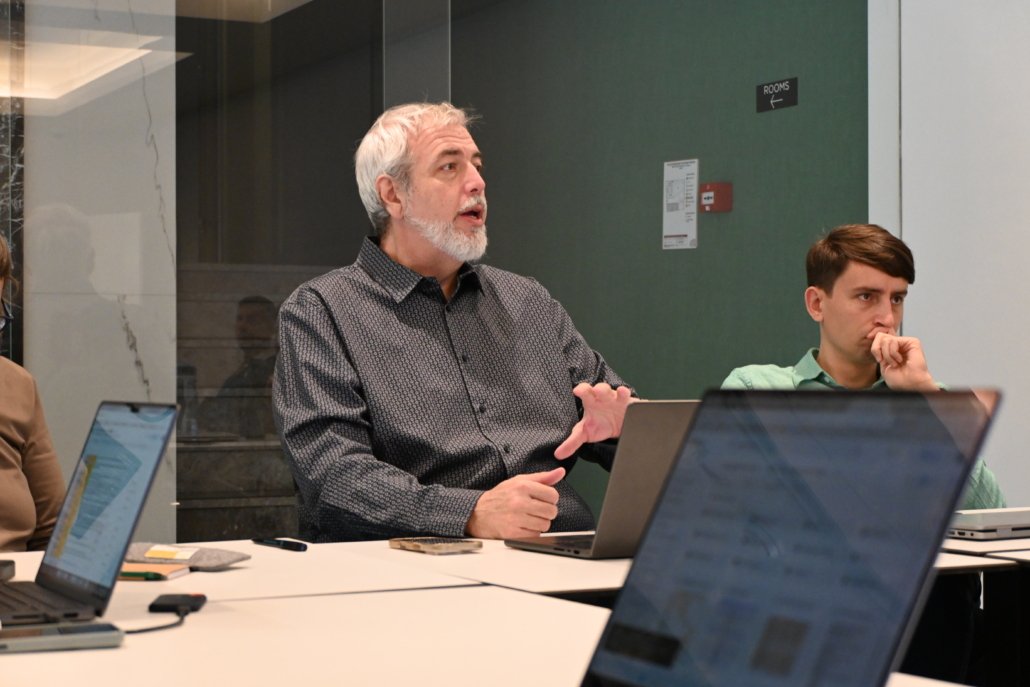
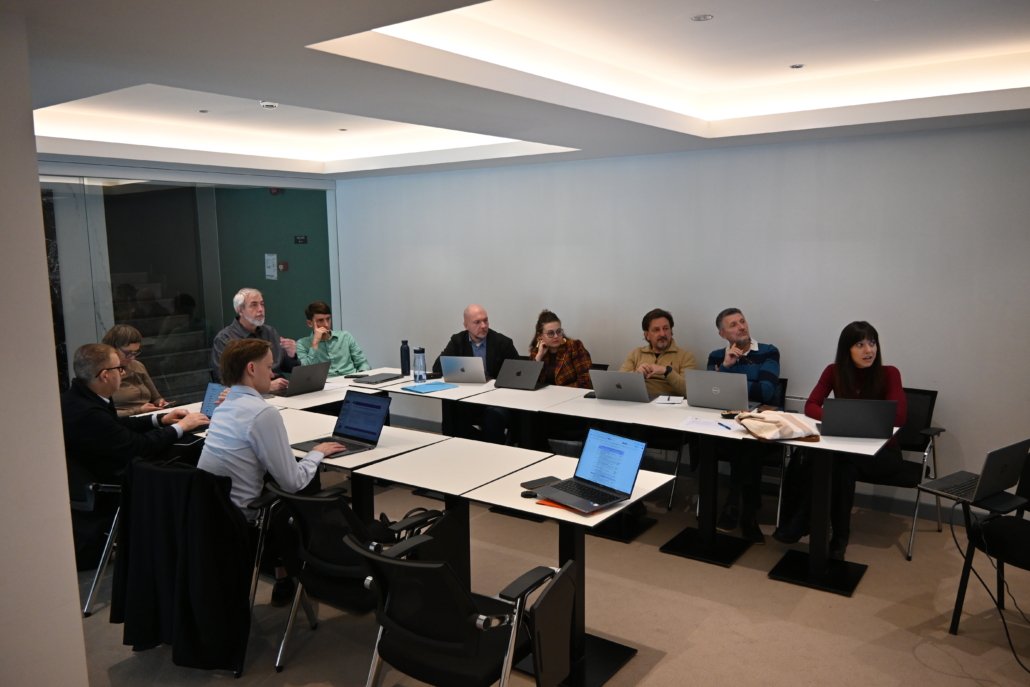
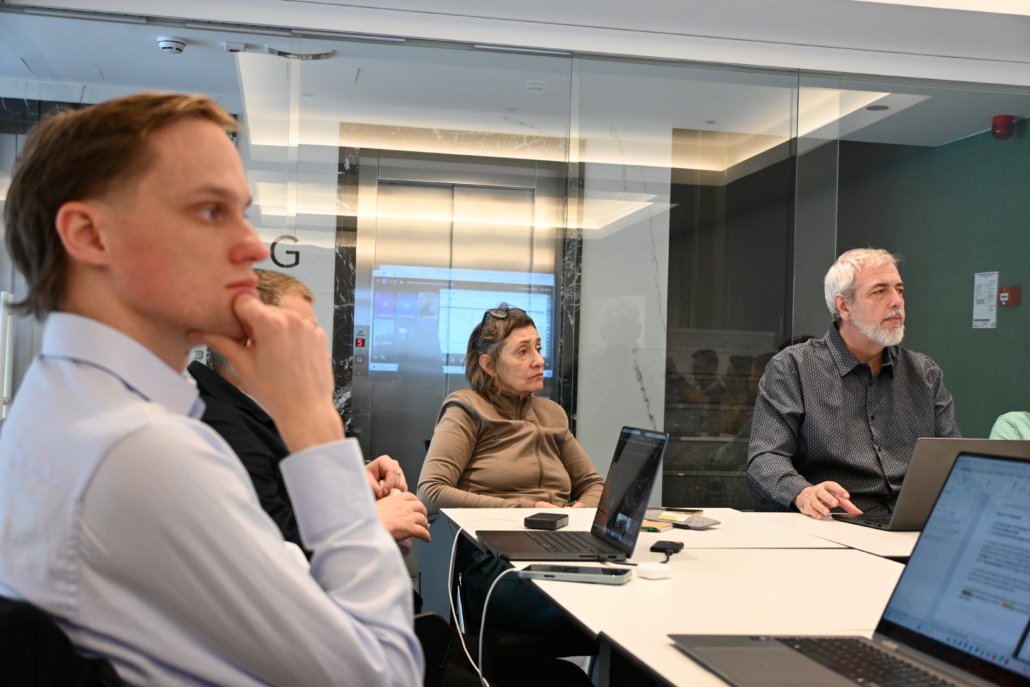
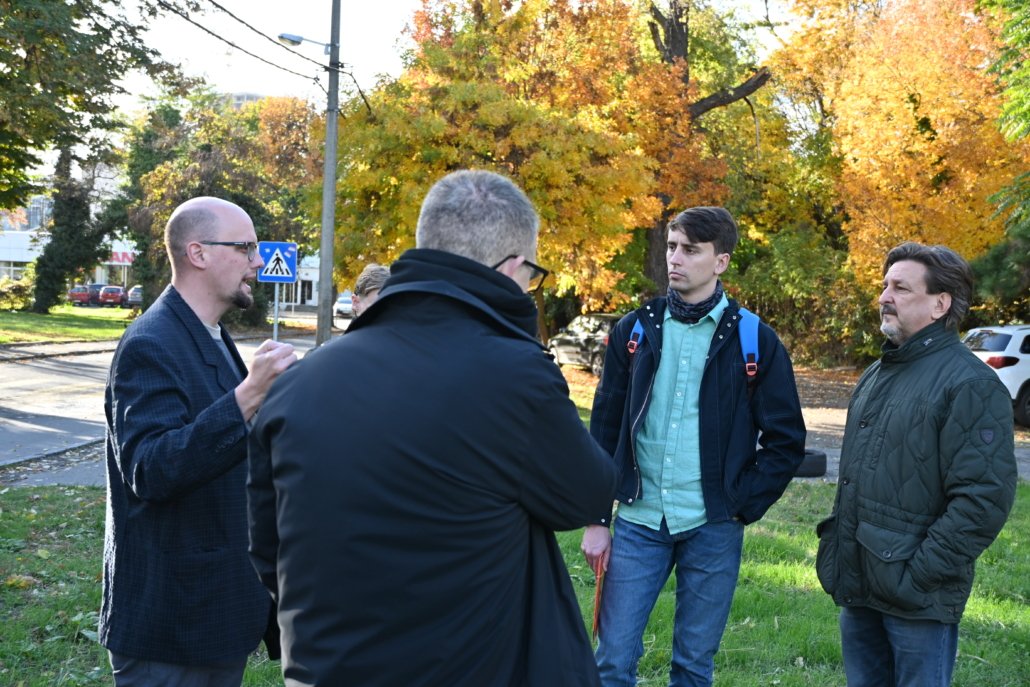
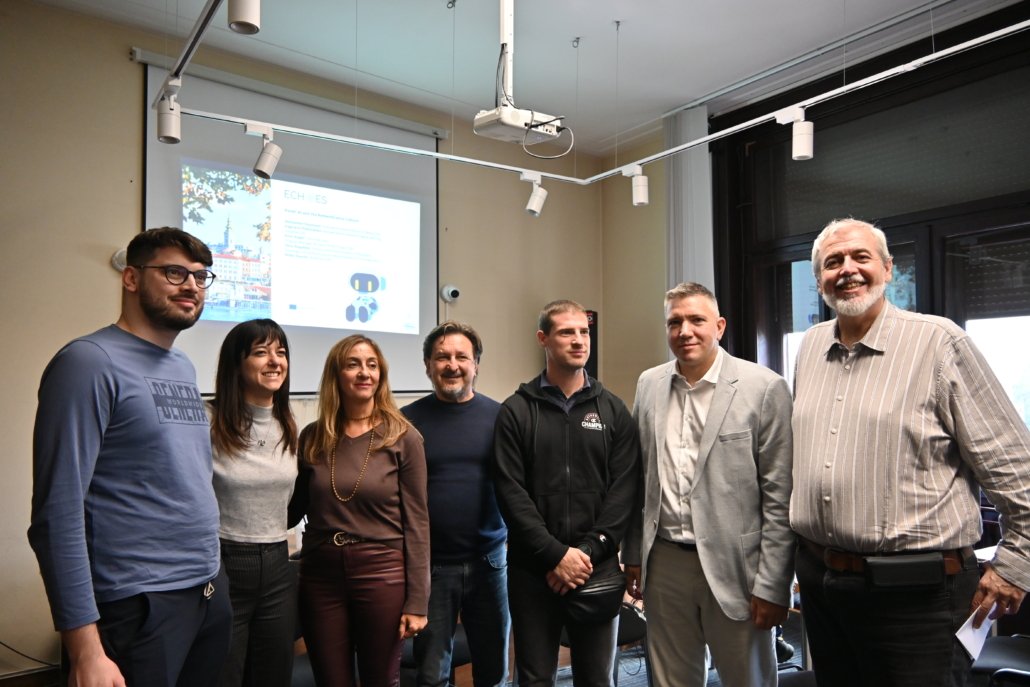
On October 26 and 27, Terraforming hosted a meeting in Belgrade for partners of the EU CERV project ECHOES of Memory: Interactive Conversations with Holocaust Survivors through AI.
The ECHOES project is focused on preserving Holocaust remembrance through the innovative and ethical application of artificial intelligence, with the goal of preserving survivors’ testimonies and making them accessible to new generations.
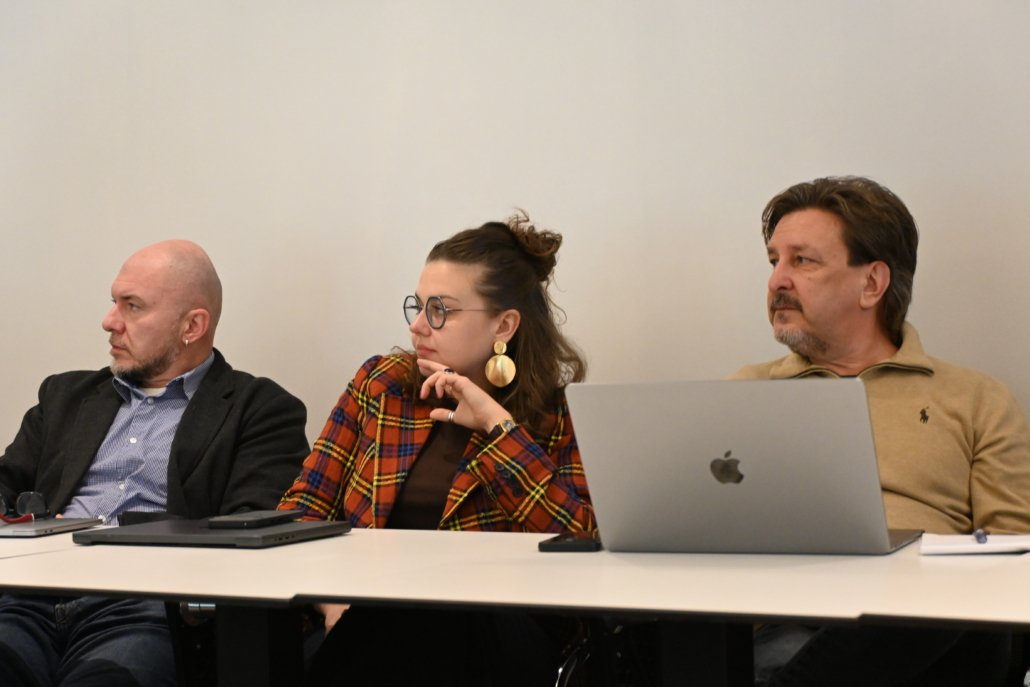
Participants from Greece, Poland, Romania, Latvia, and Serbia included representatives from Terraforming, the Institute for Contemporary History of Serbia, West University of Timișoara (Romania), Tech Hive Labs (Greece), the Warsaw Ghetto Museum (Poland), the Euro Lider organization (Poland), and the Lithuanian Jewish Community.


Meeting with a Holocaust Survivor at the Staro Sajmište Memorial Centre
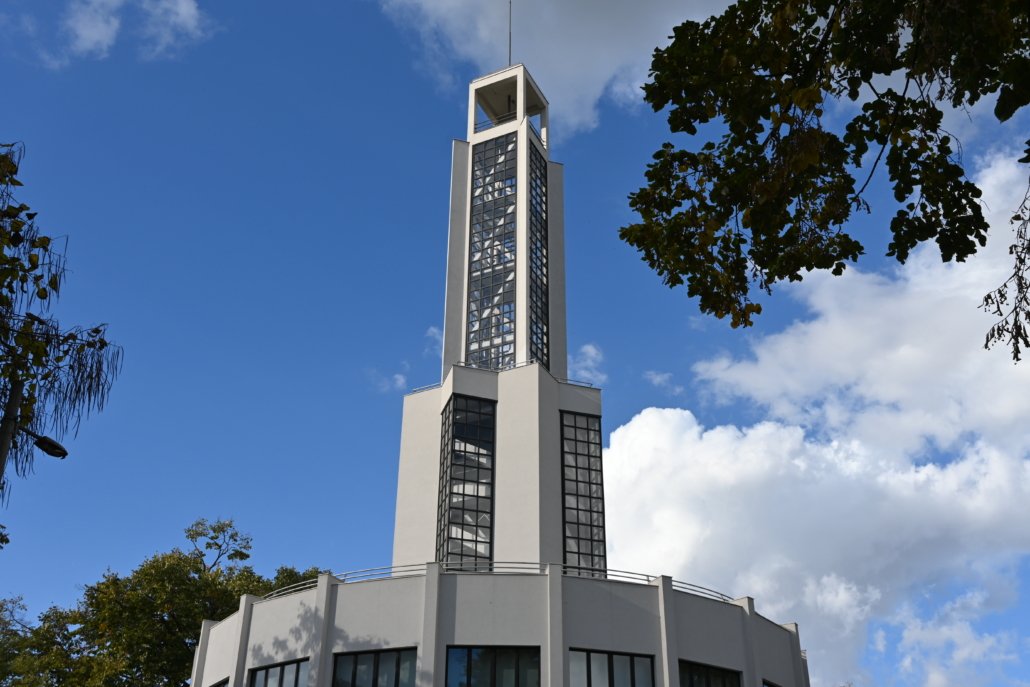
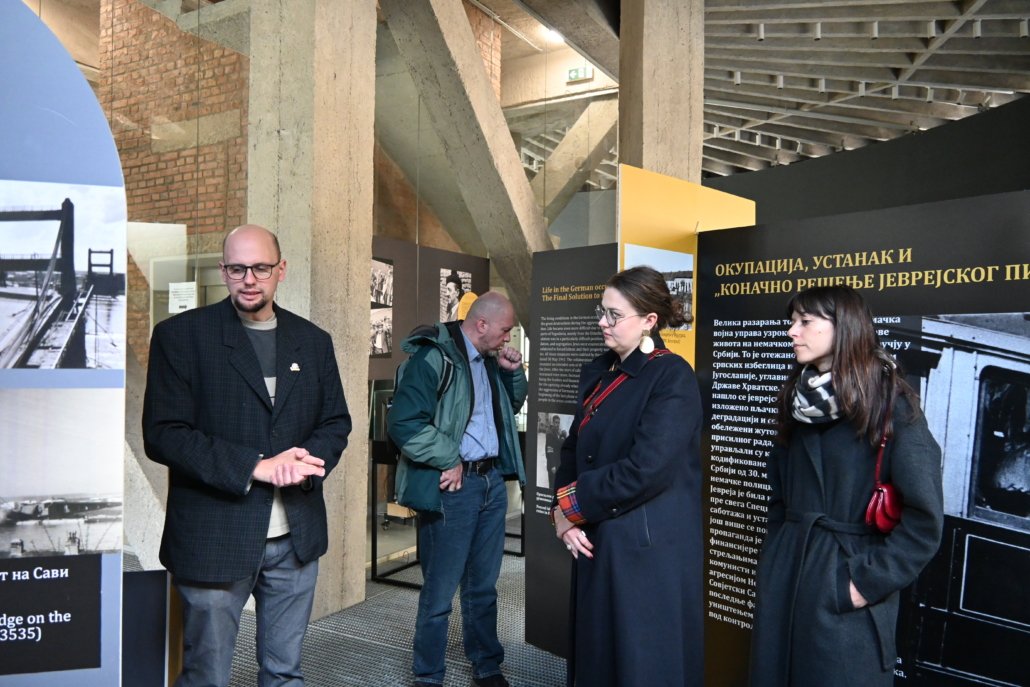
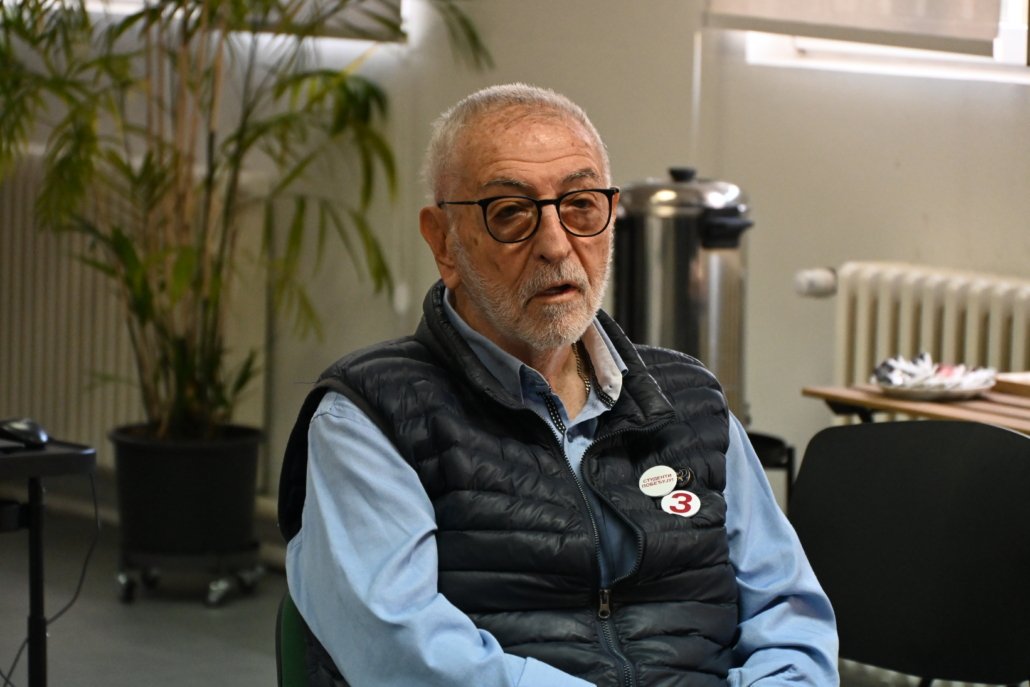
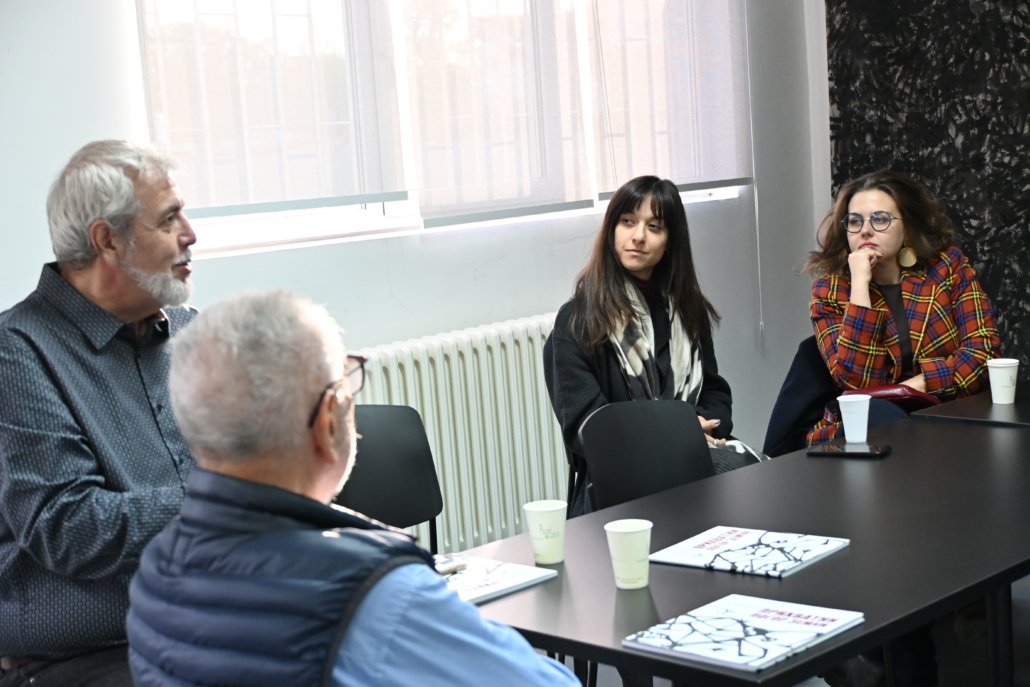
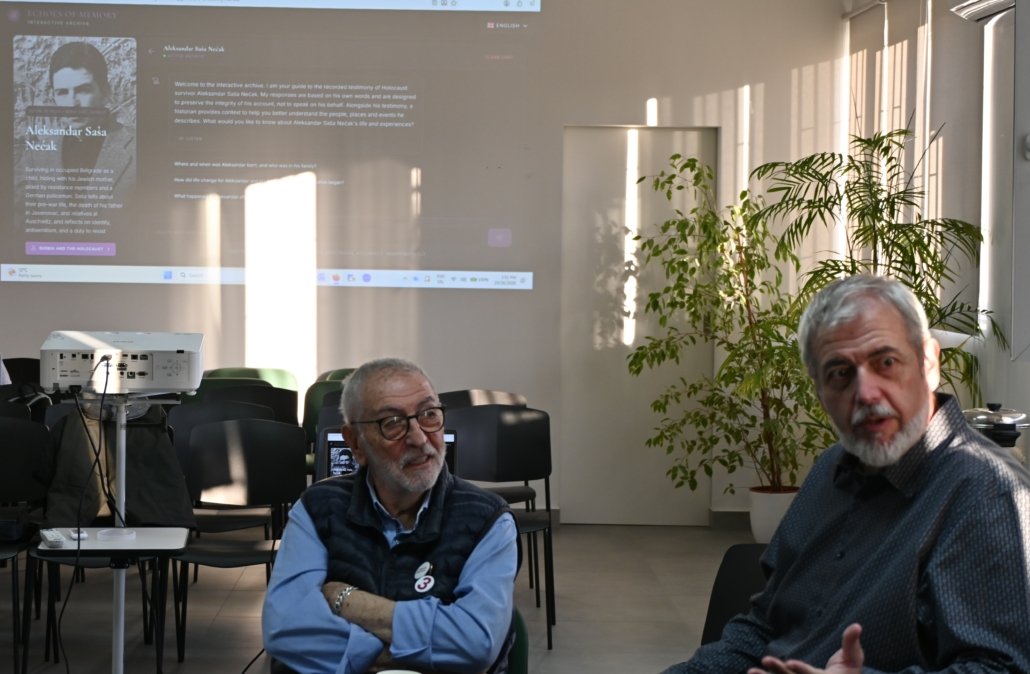
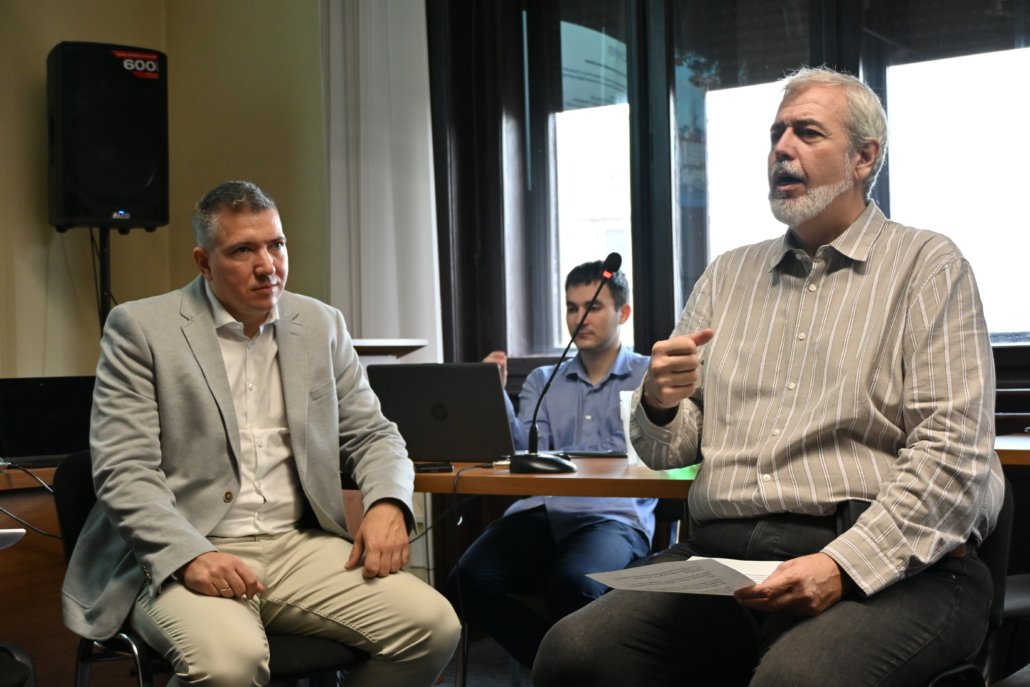
On the first day, October 26, following the project consortium meeting, the partners visited the Staro Sajmište Memorial Centre, where they had the opportunity to speak with Aleksandar Saša Nećak, a Holocaust survivor whose testimony is part of the testimony archive within the ECHOES project.
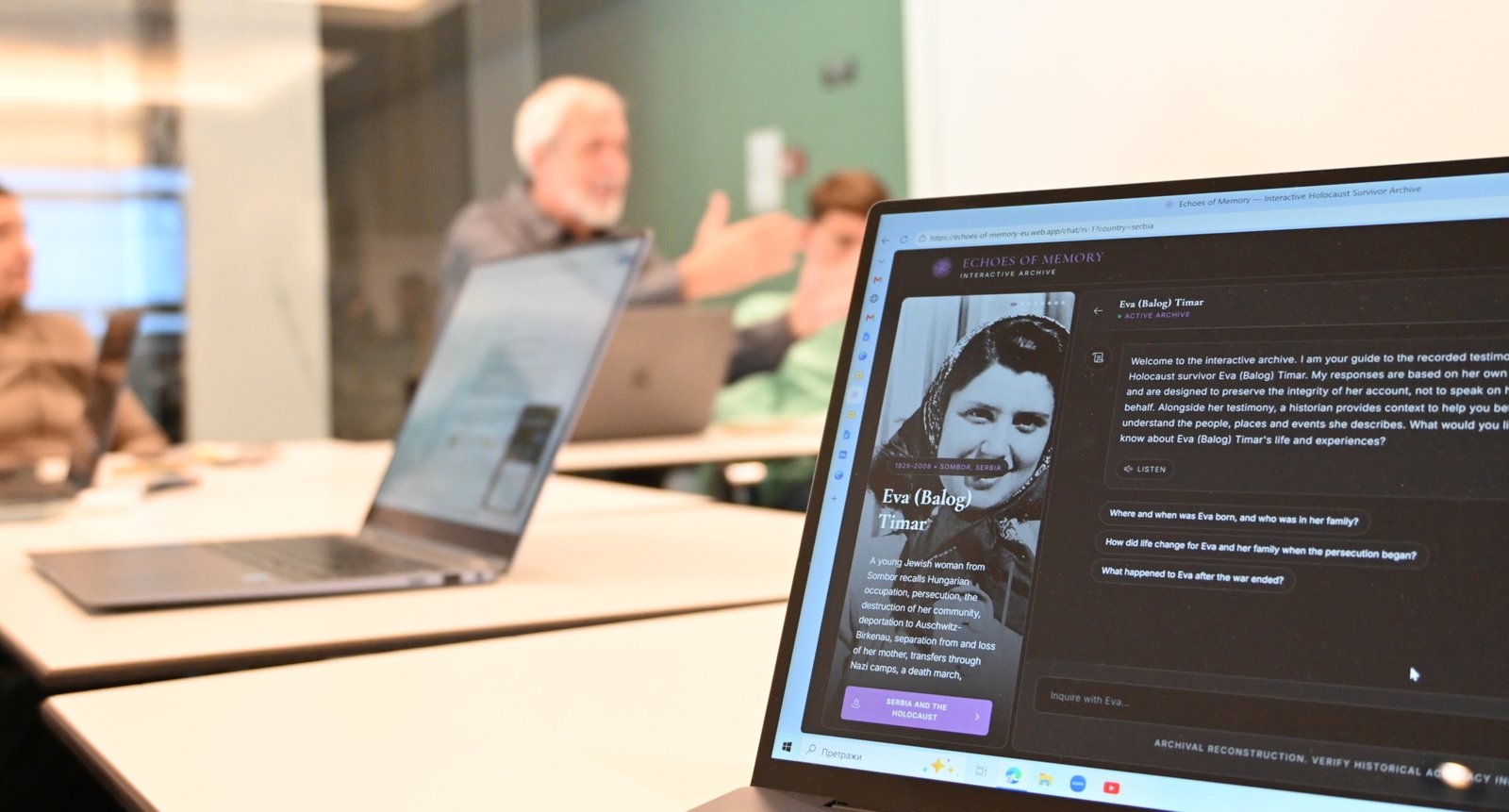
This meeting was particularly significant as it provided a rare and valuable opportunity for the international team to learn more about a survivor’s experiences through direct and immediate conversation. In addition to the testimony of Aleksandar Saša Nećak, who survived the Holocaust in Belgrade by hiding, the ECHOES archive also includes the testimony of Eva Balog Timar, who survived the Hungarian occupation of Sombor, deportation, and the horrors of Auschwitz.
The inclusion of these personal stories represents an important part of Terraforming’s efforts to preserve survivors’ experiences and make them available to future generations, as well as to acquaint the international professional and general public with the specificities of Holocaust history in Serbia. At the same time, the wider audience in Serbia will be able to learn not only about the experiences of Holocaust survivors from Serbia but also from other countries: Poland, Greece, Romania, and Latvia, thereby gaining an opportunity to better understand the pan-European character of this crime.

Aleksandar Saša Nećak, Holocaust survivor.
Seminar on the Application of Artificial Intelligence in Holocaust Museums and Memorials
Through participation in the ECHOES project, Terraforming actively participates in creating new standards and norms for the digital culture of remembrance and the use of artificial intelligence in interaction with testimonies. In this context, one of our tasks within the project was to develop a guide for the use of artificial intelligence in Holocaust museums and memorials, which we presented on this occasion.
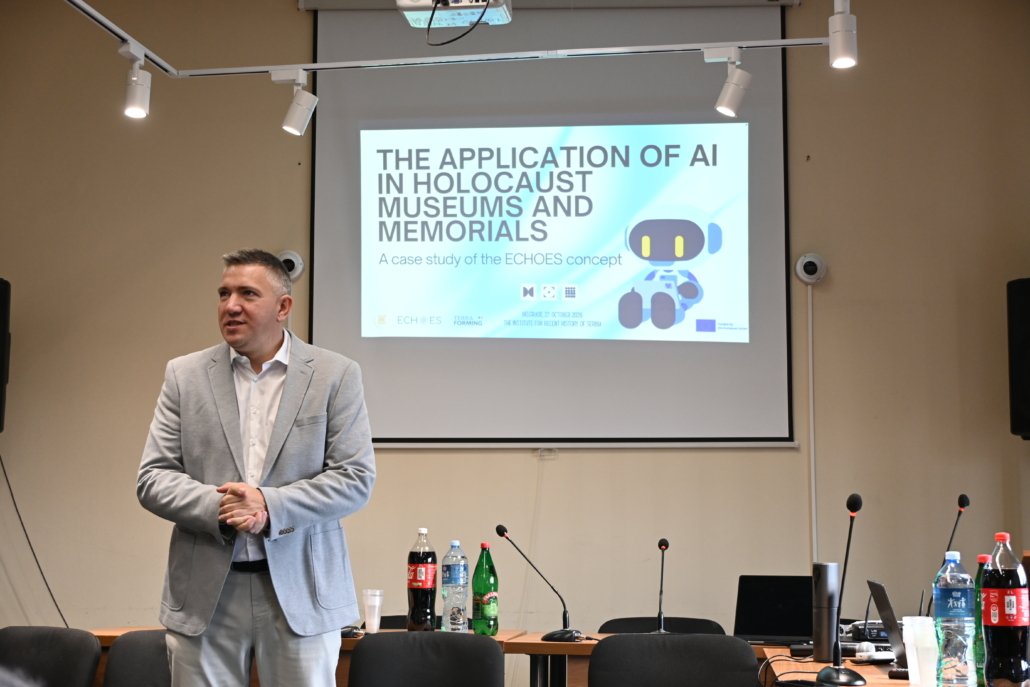
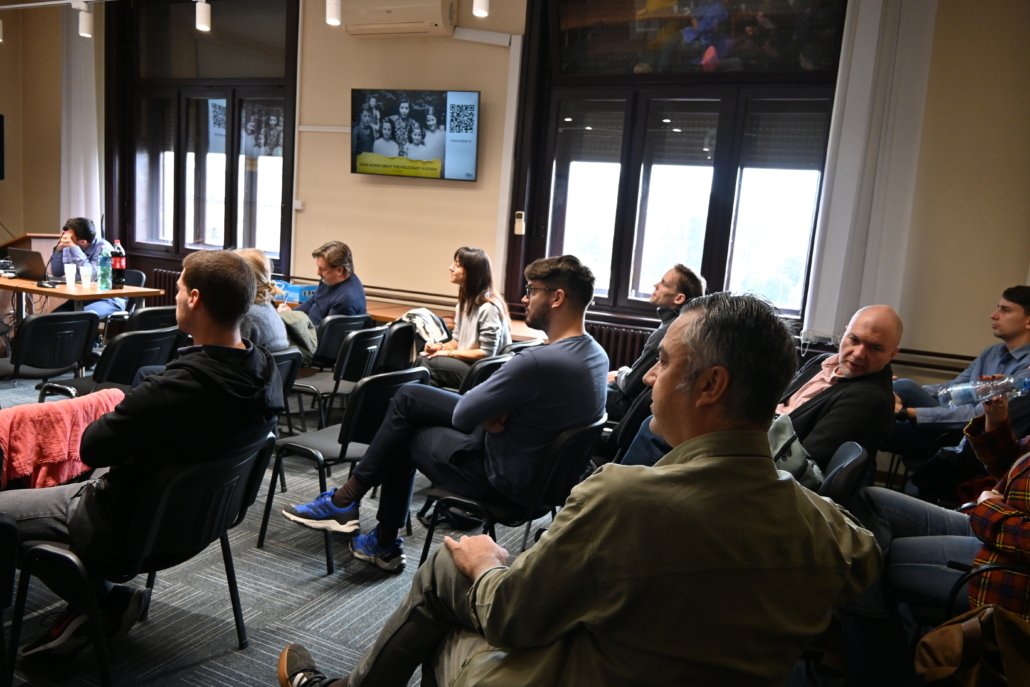
On the second day of the program, October 27, Terraforming, in cooperation with the Institute for Contemporary History of Serbia, organized a seminar titled “The Use of AI in Holocaust Museums and Memorials: The ECHOES Concept Example”. The seminar brought together members of the Institute, archivists, librarians, and others interested in the possibilities of applying new technologies in historical research, education, and the culture of remembrance.
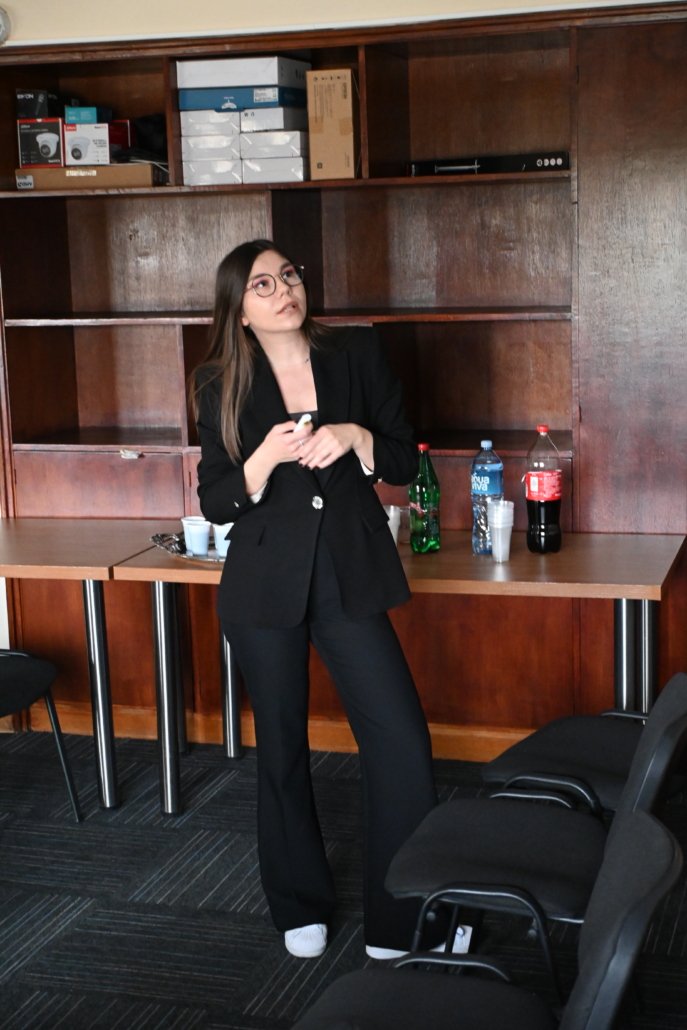
In the introductory part of the seminar, Miško Stanišić presented the Guidebook for Museum, Historical, and Cultural Staff: Using the ECHOES AI Agent Responsibly in Holocaust Remembrance and Education, which is focused on the responsible use of the ECHOES AI agent in Holocaust education and the culture of remembrance. Following the presentation of the guidebook, Jovana Savić introduced the participants to the functioning of the ECHOES tool through a demonstration based on the testimony of Eva Timar.

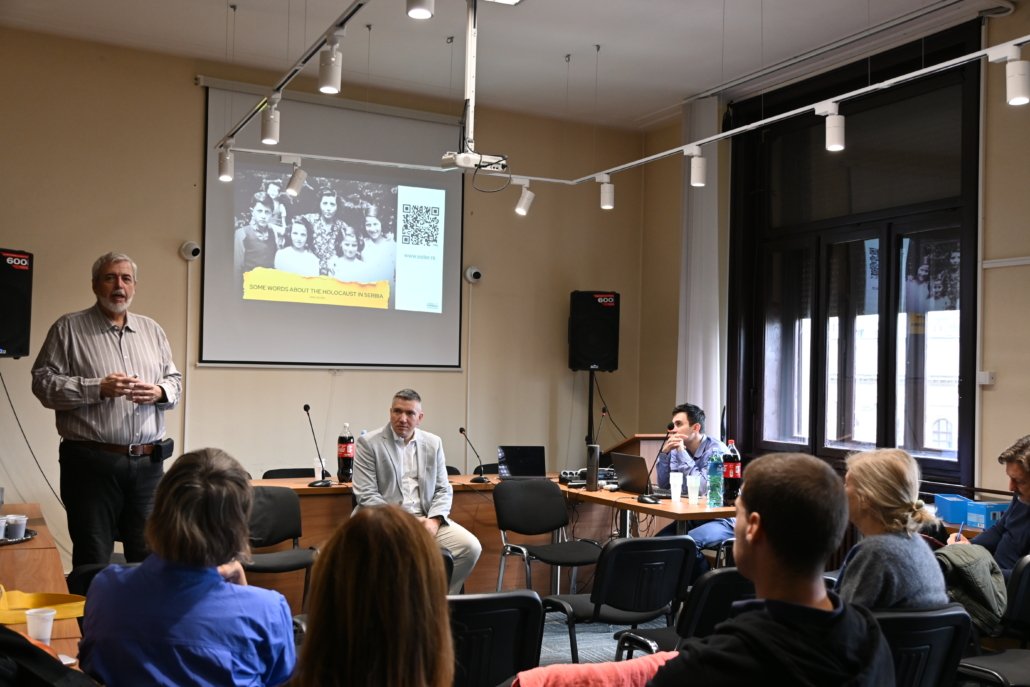
Historian Aleksandar Stojanović welcomed the participants on behalf of the Institute for Contemporary History of Serbia
AI and the New Culture of Holocaust Remembrance
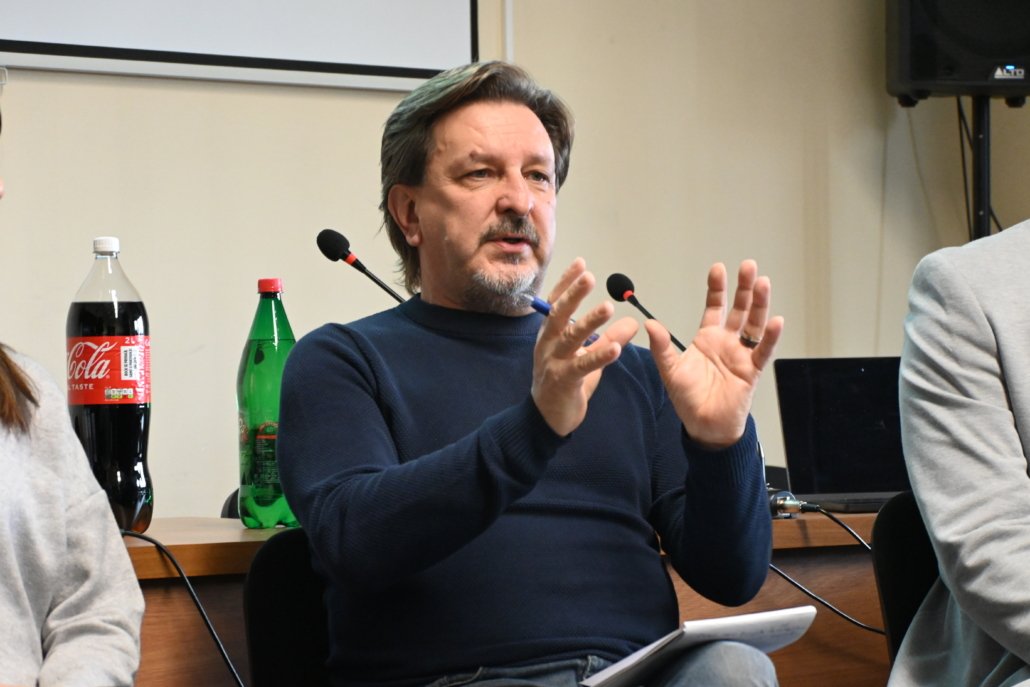
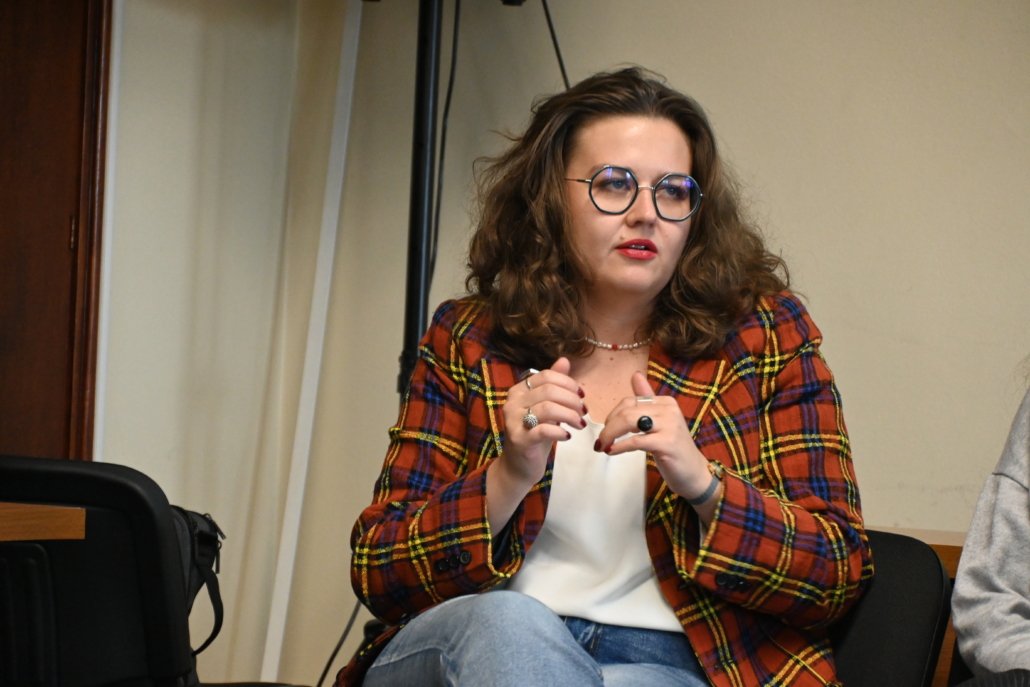
The seminar continued with the panel “AI and the New Culture of Holocaust Remembrance,” moderated by Miško Stanišić. The panel featured Aleksandar Stojanović from the Institute for Contemporary History of Serbia, Dagmara Chełstowska from the Warsaw Ghetto Museum in Poland, Eirini Angeli from Tech Hive Labs and the ECHOES project program manager from Greece, and Silviu Rogobete, Director of Doctoral Studies in Philosophy, Sociology, and Political Science at the West University of Timișoara in Romania.
The panel provided a space for the exchange of experiences and perspectives on how museums, memorials, and other institutions dealing with the culture of remembrance can responsibly use artificial intelligence in educational and commemorative activities. The discussion covered the opportunities these technologies open up for preserving and transmitting Holocaust remembrance, as well as their limitations and the importance of an ethical approach when new technologies are used to present personal experiences and historical testimonies.
Through the meeting with a Holocaust survivor, the presentation of concrete technological solutions, and professional discussion, these two days in Belgrade connected the direct experience of witnessing with broader questions about the future of the culture of remembrance. The activities simultaneously provided an opportunity for ECHOES project partners and representatives of the professional community to exchange knowledge and consider ways in which innovative tools can be developed and used while preserving the authenticity of testimony, respecting the victims, and maintaining responsibility toward history.

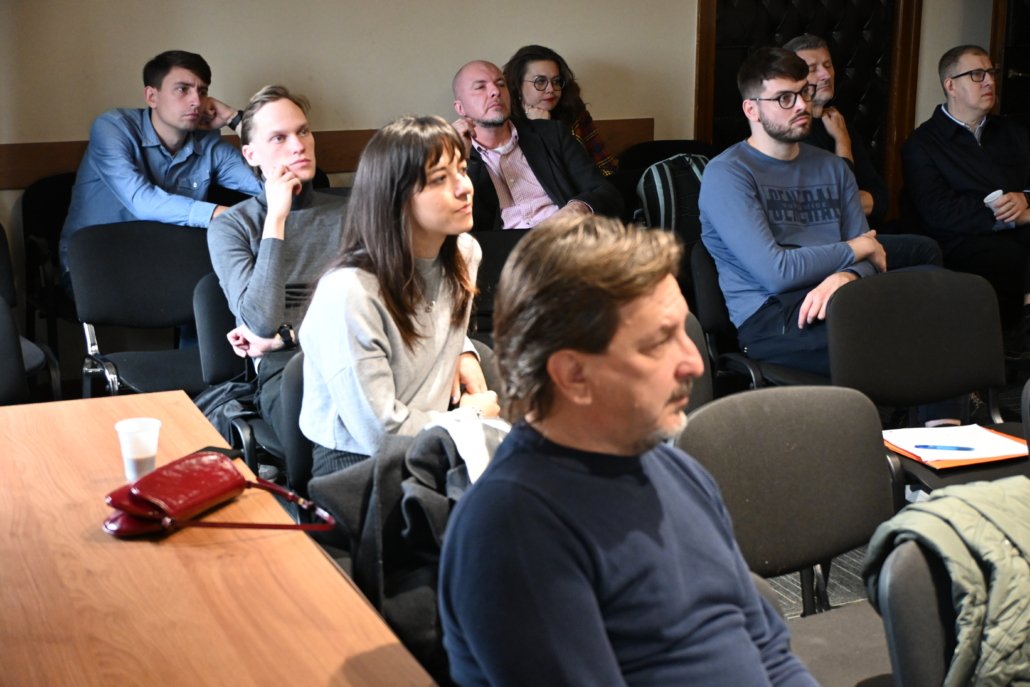
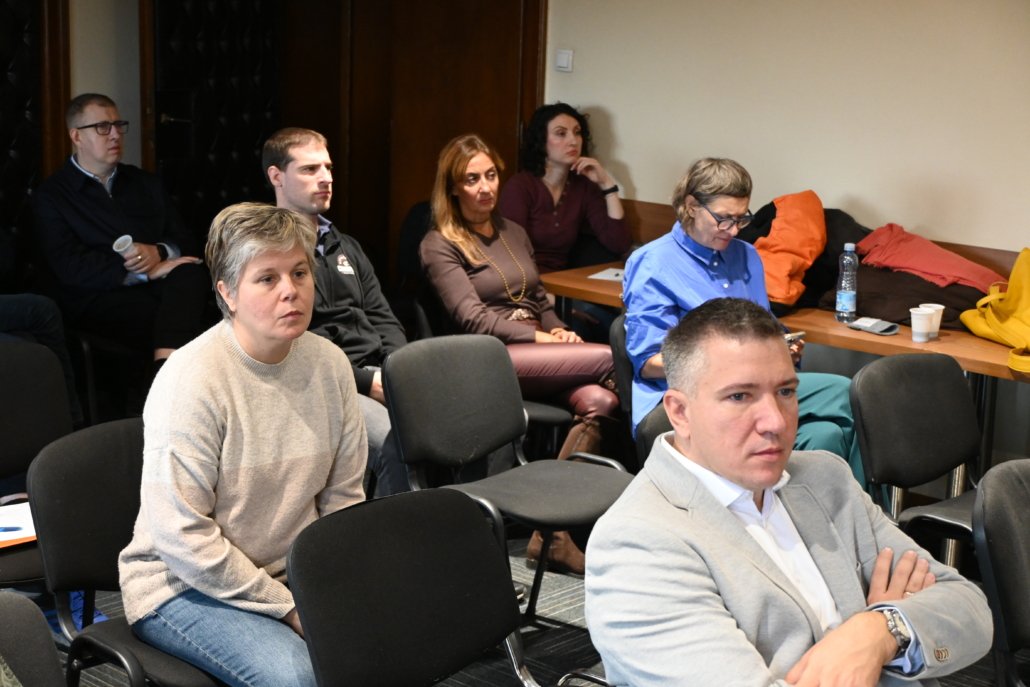
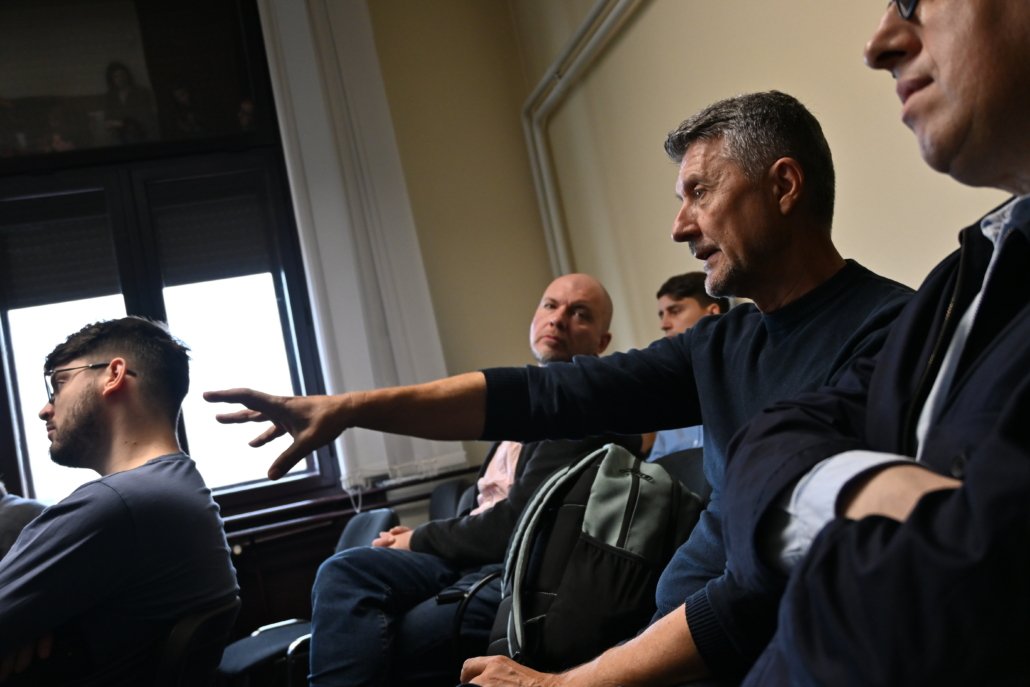
Discussion during the panel debate on artificial intelligence in Holocaust museums.

Presentation by Jovana Savić.