web analytics

Conference “The Voice of Women in the Frozen Silence”

Conference “The Voice of Women in the Frozen Silence” was held on January 26th in the Cultural Center of Novi Sad.

Partneri

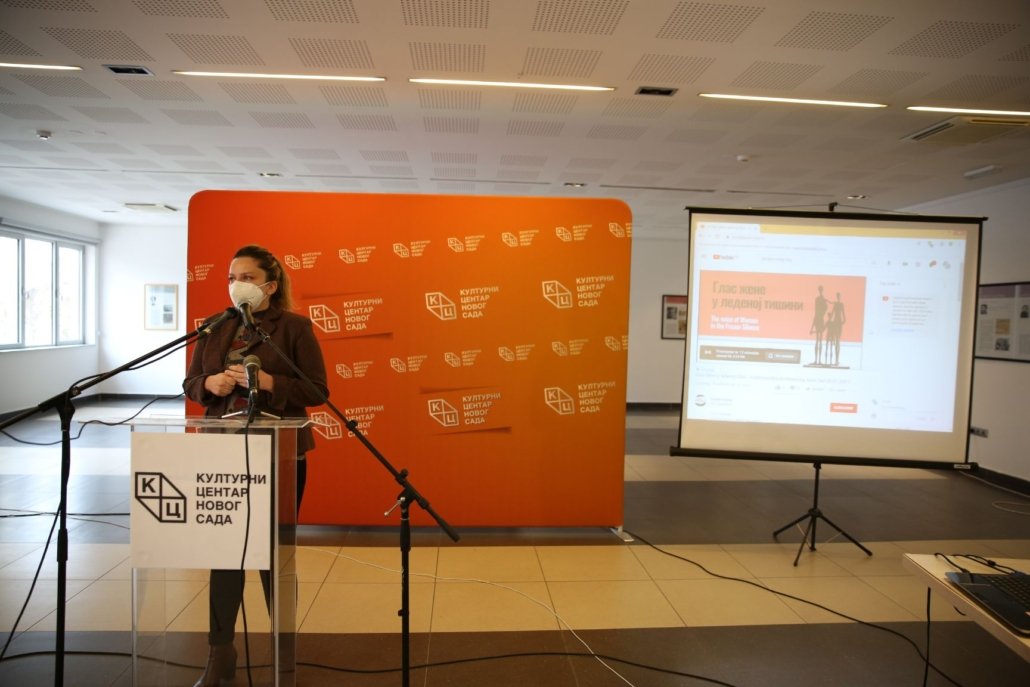
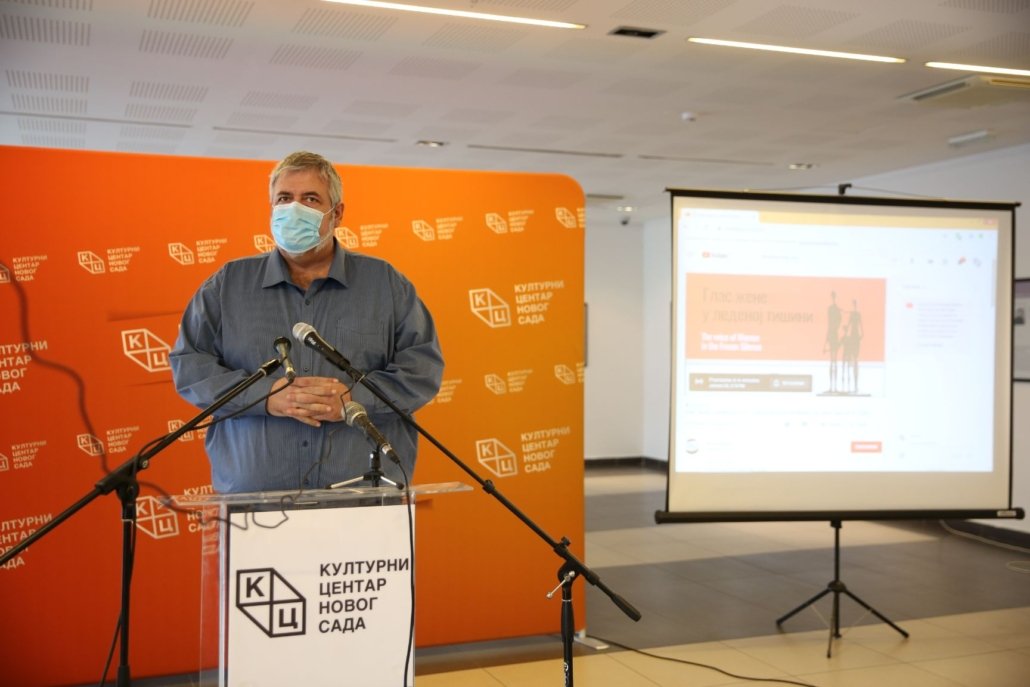
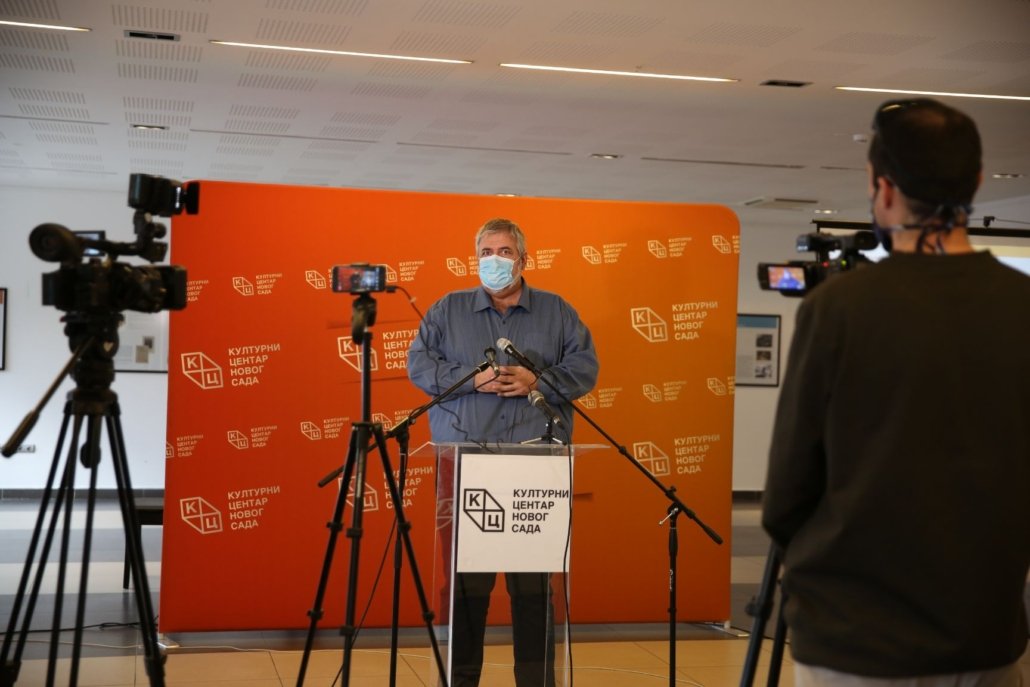
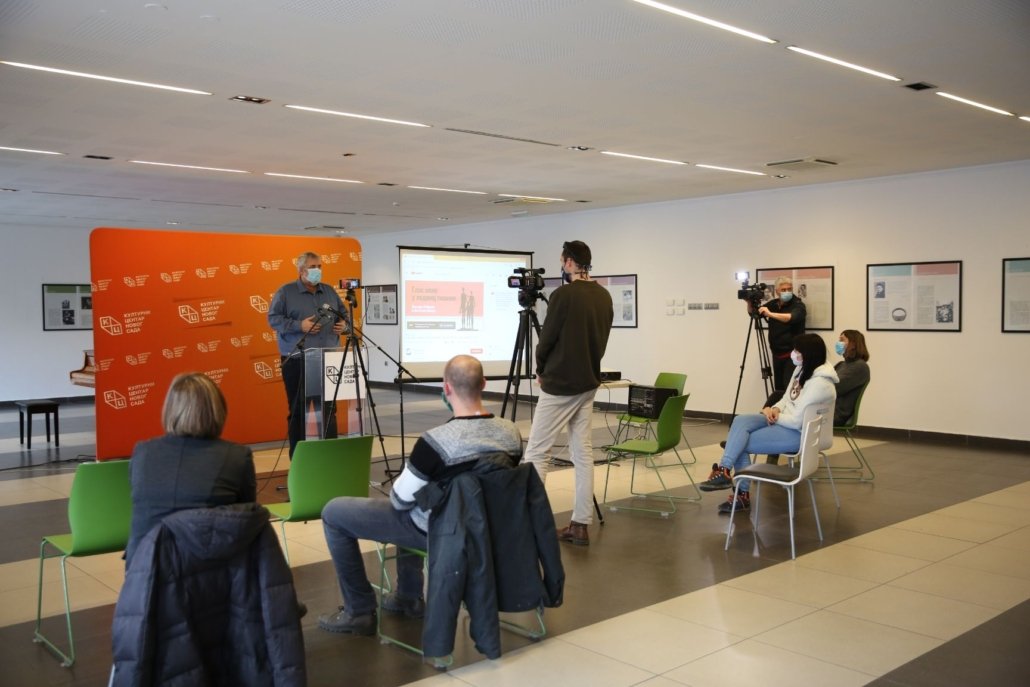
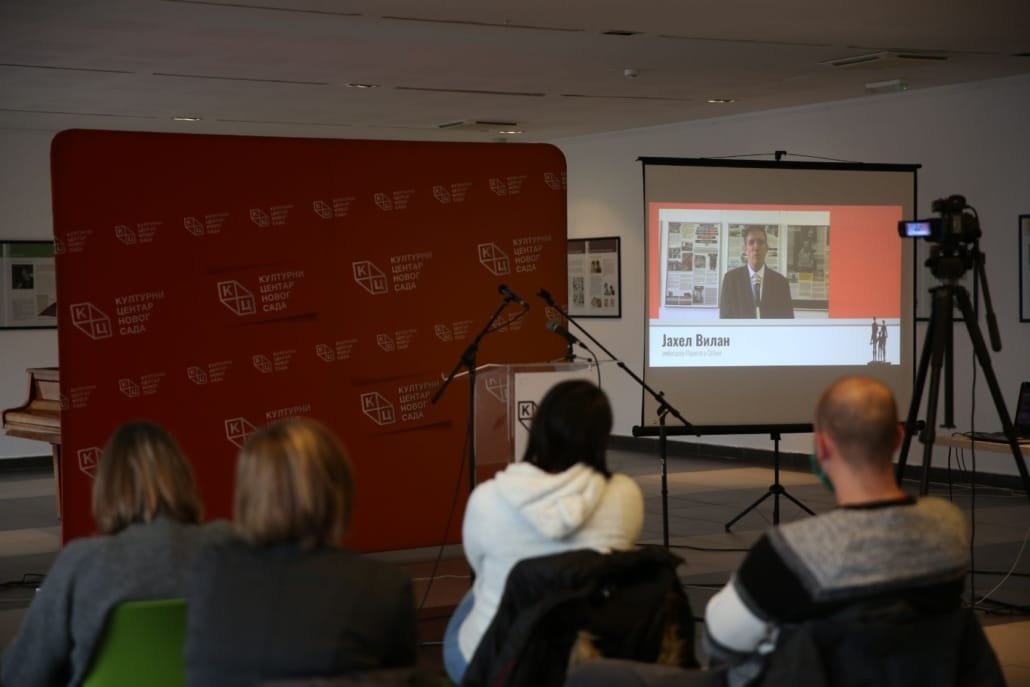
In cooperation of Terraforming, the Cultural Center of Novi Sad and the Historical Archive of the City of Novi Sad, in the Cultural Center of Novi Sad, on January 26th, an online international conference “The Voice of Woman in the Frozen Silence” was held. There was a limit on the number of conference visitors, so there were only media representatives and archivists of the Historical Archive of the City of Novi Sad. Download the conference program here.

The opening of the conference and live streaming

0:00 Opening
0:17 Sunčica Marković
01:42 Nikola Banjac
04:26 Petar Đurđev
06:23 Miško Stanišić
10:06 Closing credits

Video conference

0:00 Opening
0:00:36 Sunčica Marković (SER)
0:03:44 Dalibor Rožić (SER)
0:06:57 Aleksandar Tasić (SER)
0:10:43 Yahel Vilan (ENG)
0:14:25 Dorothea Gieselmann (ENG)
0:23:01 Michaela Küchler (ENG)
0:29:11 Exhibition “Spots of Light – To Be a Woman in the Holocaust”
0:29:31 Miško Stanišić (SER)
0:34:04 Presentations: The Voice of Woman in the Frozen Silence
0:34:29 Petar Đurđev (SER)
0:52:17 Debórah Dwork (ENG)
1:04:09 Sheryl Ochayon (ENG)
1:21:42 Katarina Melić (SER)
1:26:44 Linda Németh (ENG)
1:33:47 Anna Makówka-Kwapisiewicz (ENG)
1:36:37 IHRA Recommendations on Teaching and Learning About the Holocaust
1:36:59 Miško Stanišić (SER)
1:41:39 Closing credits

Opening

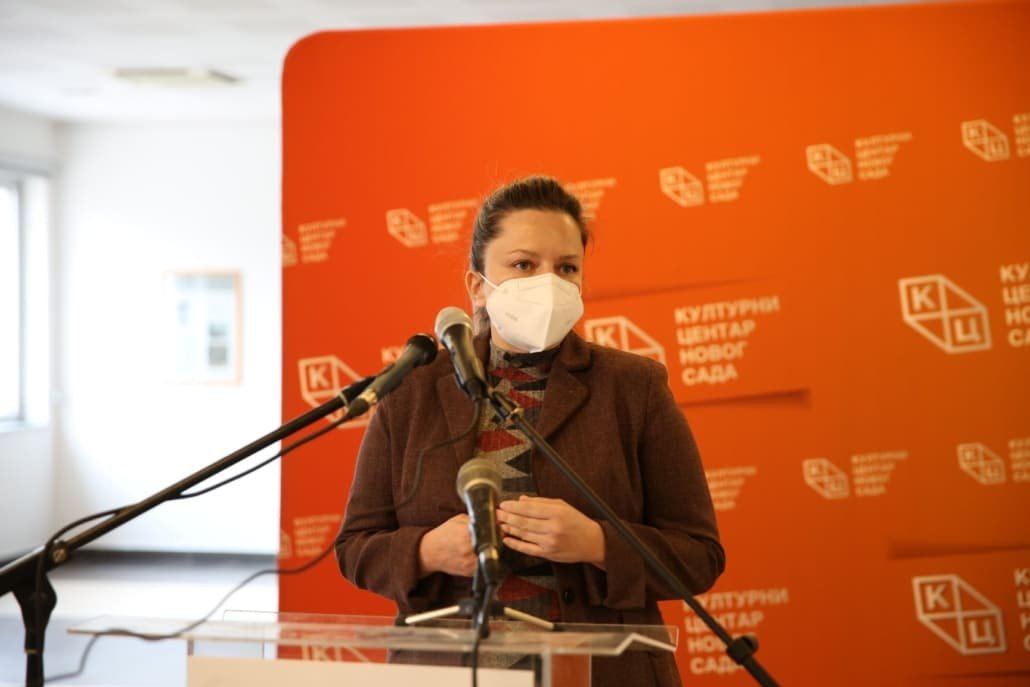
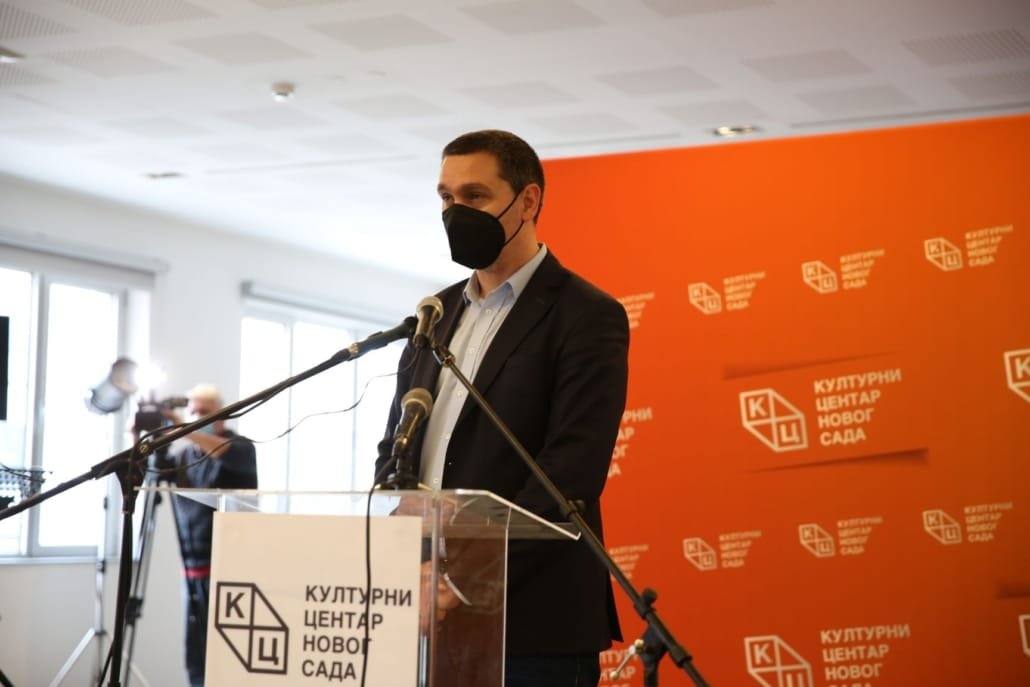
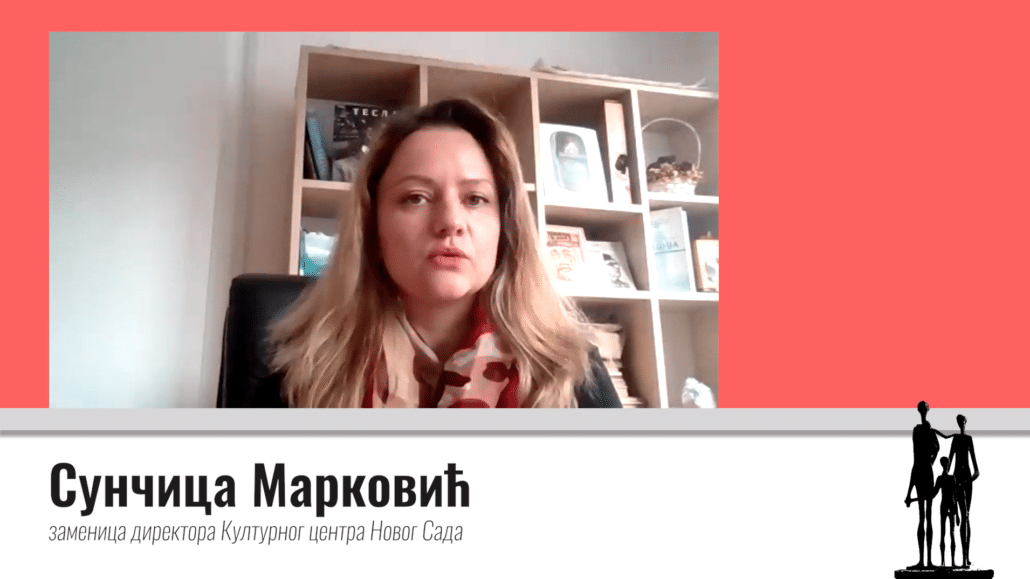
The conference was opened by Sunčica Marković, Deputy Director of the Cultural Center of Novi Sad.

She announced that the exhibition “Spots of Light – To Be a Woman in the Holocaust“ can be visited in the Cultural Center of Novi Sad, every working day from 8am to 8pm, until February 15th.

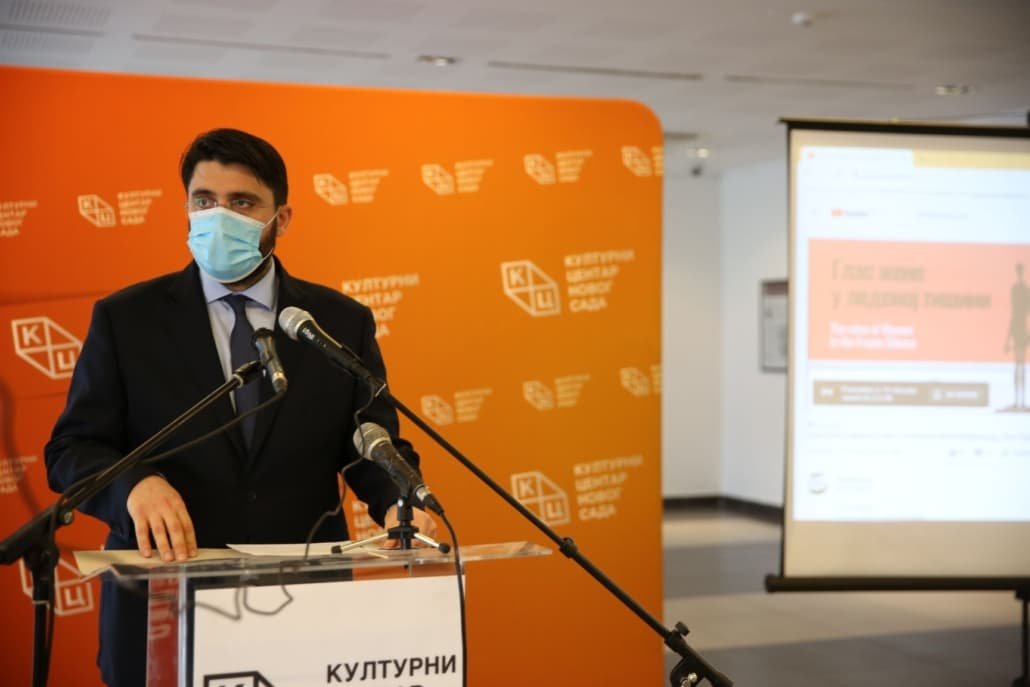
Speaking to the audience, Nikola Banjac, Secretary General of the Assembly of the Autonomous Province of Vojvodina, pointed out the continuity and importance of Terraforming’s work, which can be seen to advance remembrance culture in Novi Sad and wider region. He emphasized that he was impressed by the visit to Yad Vashem in Jerusalem.Banjac pointed out that

“All the conference participants brought a huge contribution to humanity and our shared conscience, not allowing for the candle light, that lights for those executed in the frozen silence of the Novi Sad Raid and anywhere else where the Holocaust took place, to burn out.”

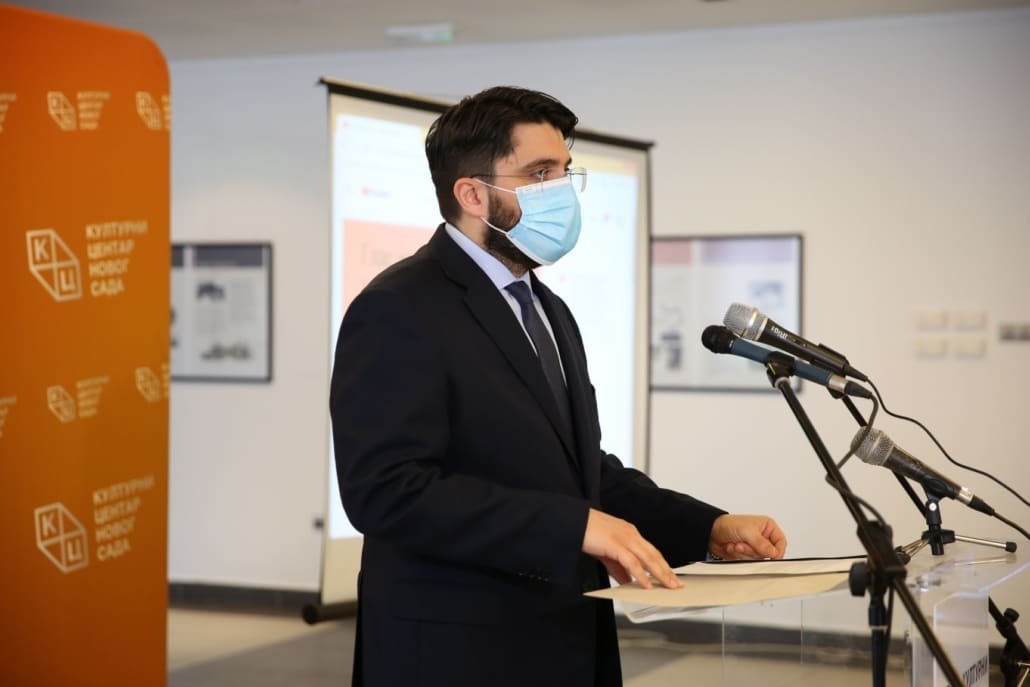
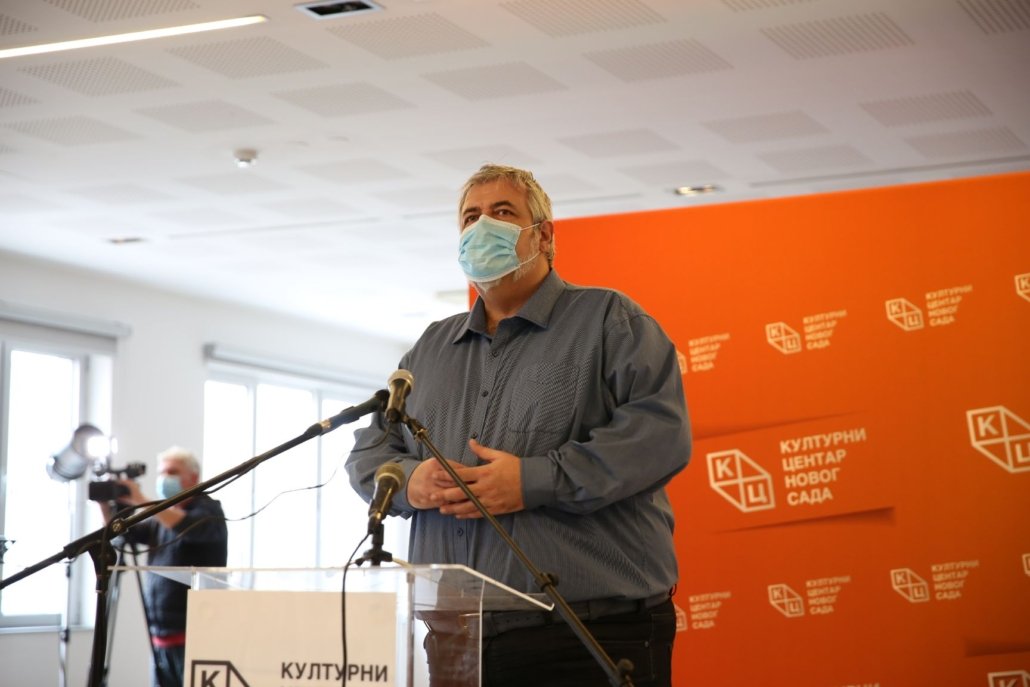
Director of the Historical Archive of the City of Novi Sad, Petar Đurđev, expressed gratitude to the Cultural Center, Secretary General of the Assembly of the Autonomous Province of Vojvodina, and to Terraforming who, as Petar Đurđev says, enables connection with international experts in this field and develops new pedagogical methods which will enable the younger generations to get acquainted with all the horrors that have taken place in Europe during this history.

Director of Terraforming, Miško Stanišić explained that the date between the Novi Sad Raid Memorial Day and the International Holocaust Remembrance Day was chosen for the date of the conference on purpose to point out the connection between local and international history.

He emphasized that this year’s conference is dedicated to gender perspectives in remembrance culture. He shortly presented the exhibition “Spots of light – To Be a Woman in the Holocaust“ and the IHRA’s “Recommendations for Teaching and Learning about the Holocaust” translated in the Serbian language.

Otvaranje konferencije "Glas žene u ledenoj tišini"

ONLINE PROGRAM

The rest of the program took place on Terraforming’s YouTube channel. At the beginning of the program, Sunčica Marković, Deputy Director of the Cultural Center of Novi Sad, emphasized that the Cultural Center of Novi Sad has been dealing with the subject of remembrance culture for 8 years through documentary exhibition, children workshops, which consist of visits and expert guides through exhibitions. Over the last two years they organized international conferences, in cooperation with the Historical Archive of the City of Novi Sad and Terraforming.

Member of the City Council for Culture of the City of Novi Sad, Dalibor Rožić, expressed his gratitude to organizers and pointed out the necessity of nurturing the remembrance culture as well as professional processing of this topic with the aim that such crimes would never happen again.

Ambassador Aleksandar Tasić, Head of the Delegation of the Republic of Serbia to the International Holocaust Remembrance Alliance (IHRA), said that Republic of Serbia is continuously active in this field. He emphasized that the National Assembly adopted the Law about the Memorial Center “Staro Sajmište” and that the Government adopted IHRA’s legally non-binding Working Definition of Antisemitism, pointing out that with joint forces and perseverance we can build a better future, while preserving the memory of those tragically killed.

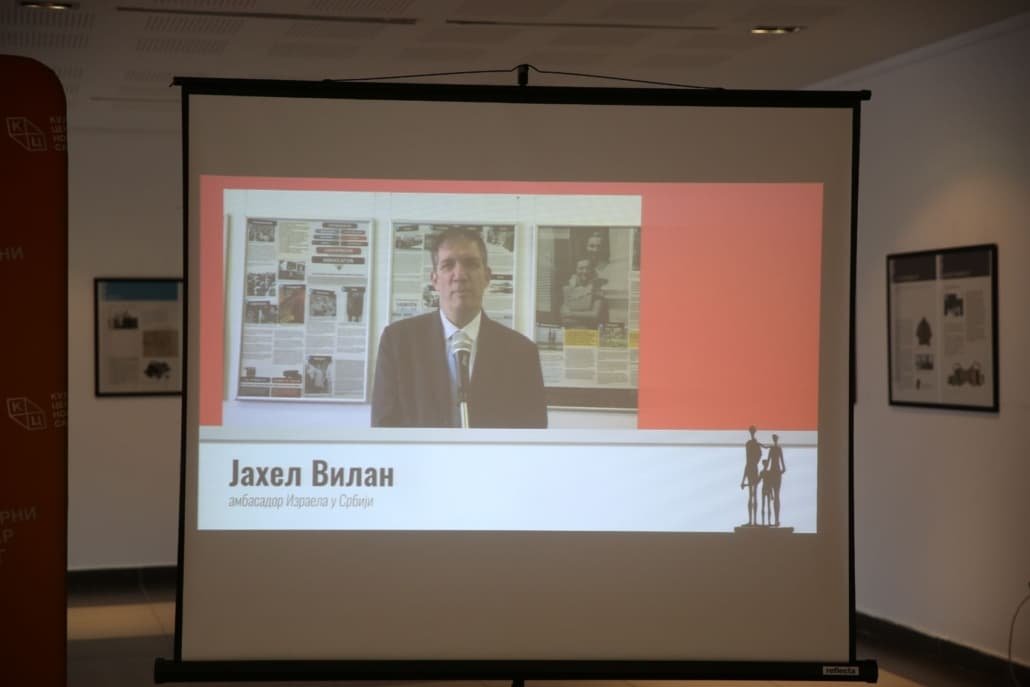
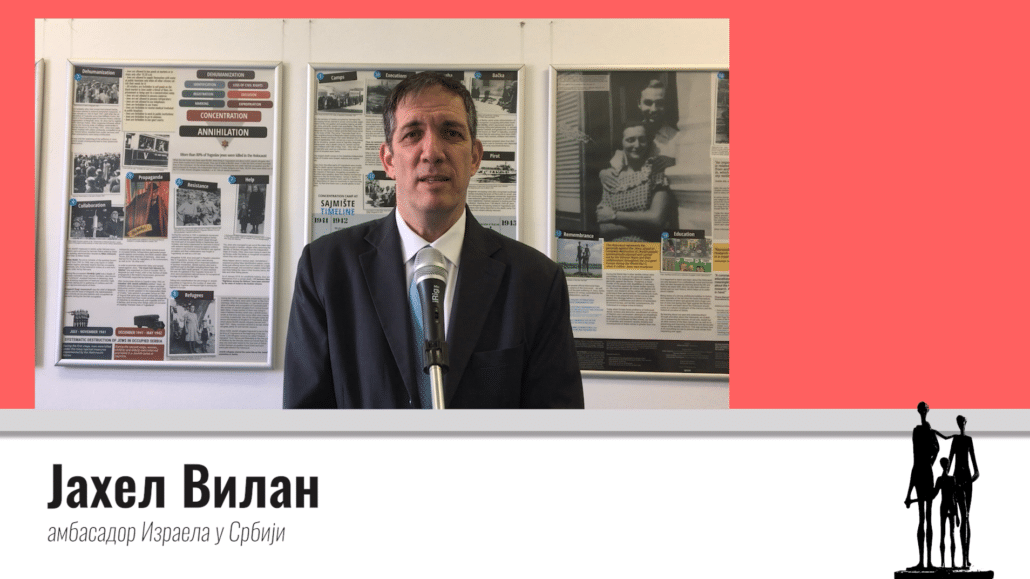
Yahel Vilan, the Ambassador of Israel to Serbia, emphasized with pleasure the work that Serbia was doing for memory culture and the suffering of the Jews in Serbia, the remembrance culture of all of the victims of the Second World War and initiatives being developed in the Republic of Serbia. Ambassador Vilan said that:

Jewish women symbolized “agents of fertility” for the Nazis, those who are in charge of being able to produce more Jewish lives. Targeting women was the best way to make sure that no Jewish life would exist along with the 1,5 million Jewish children who were killed in the Holocaust.

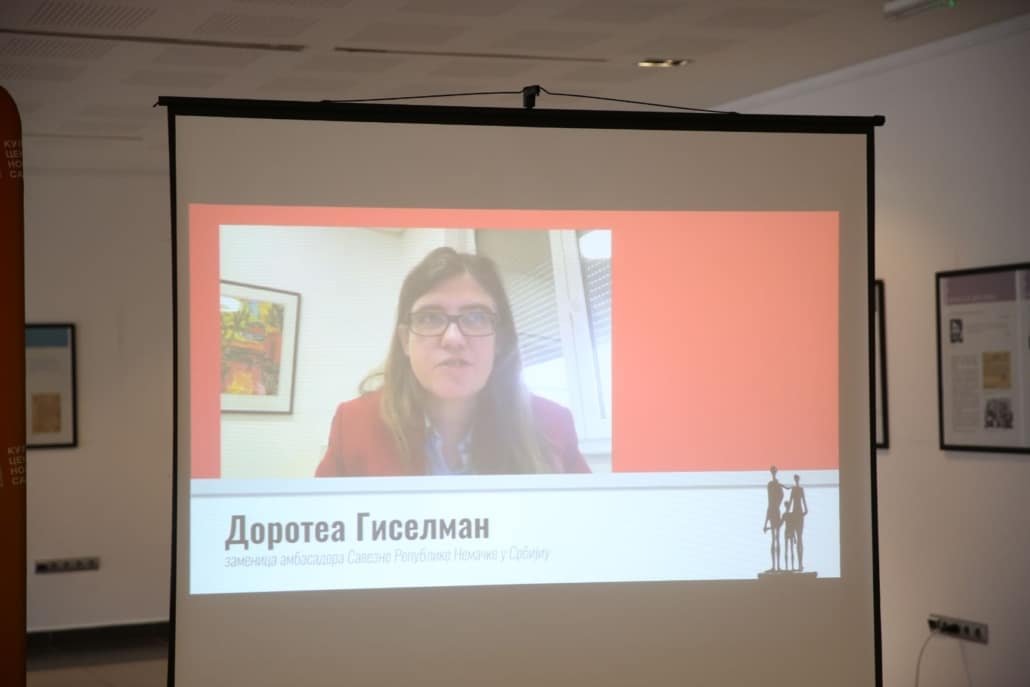
Dorothea Gieselmann, Deputy Ambassador of the Federal Republic of Germany to Serbia, said that it is her duty as a German diplomat to speak clearly on behalf of all those who suffered as victims of German Nazism with the aim of never forgetting those victims. Deputy Ambassador Gieselmann said:

In the Holocaust, people of different genders were subject to persecution and violence, abuse, forced labor, hunger, deportation, humiliation and death but only women had to deal with pregnancy, abortion and invasive genecological examinations. Although some men experienced sexual violence too, the majority of rape victims and survivors of them were women.

Ambassador, Michaela Küchler, President of the International Holocaust Remembrance Aliance IHRA, pointed out that the problem of distorting, manipulating and politicizing the history of the Holocaust is one of the biggest problems today that the remembrance culture faces. Our joint efforts in the coming period will focus on the fight for true and scientific representation and education of Holocaust history.

CONFERENCE: THE VOICE OF WOMEN IN THE FROZEN SILENCE

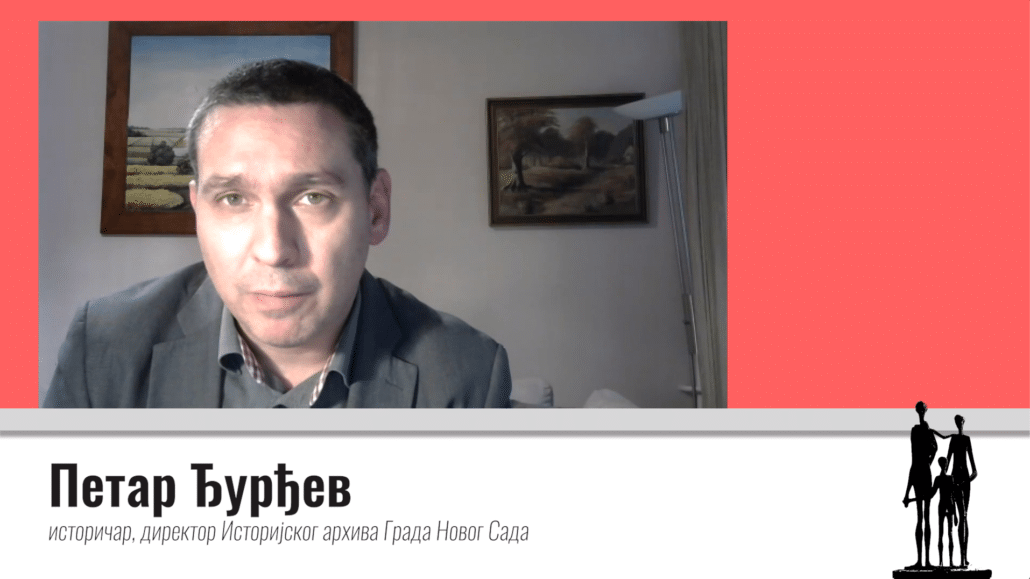
Petar Đurđev, historian, director of the Historical Archive of the City of Novi Sad, spoke about women’s suffering in the Šajkaška and Novi Sad Raid, emphasizing that the half of those killed in this Raid were women.

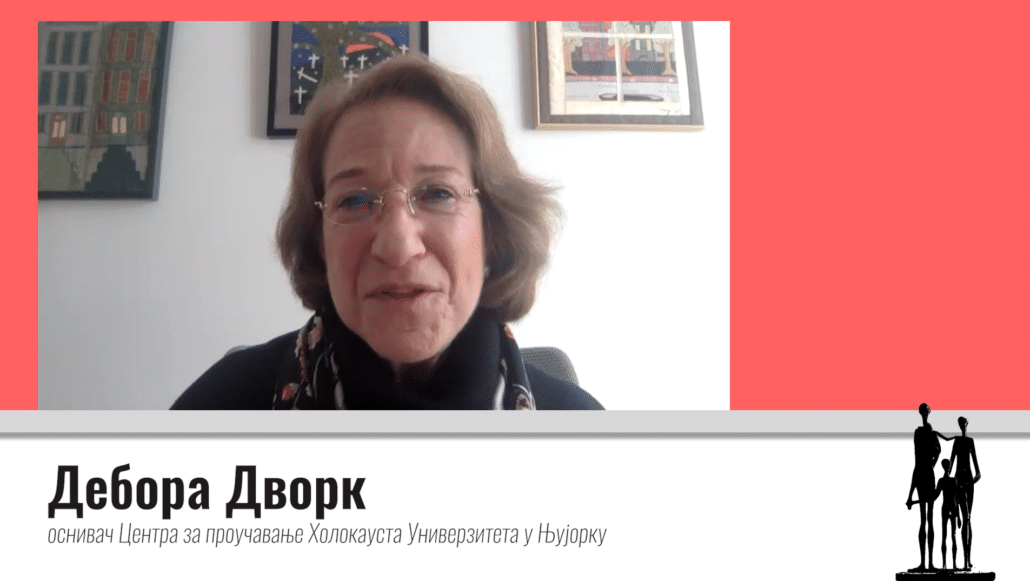
Professor and the Founding Director of the Center for the Study of the Holocaust, Genocide, and Crimes Against Humanity in New York, Debórah Dwork, gave the example of Jewish children rescued in the Netherlands, which was an action organized primarily by young women. Precisely because they were young women, they could escape the attention of the German occupiers and dedicate themselves to helping Jewish children.

Sheryl Ochayon, Project Director of “Echoes and Reflections” at Yad Vashem, Jerusalem, spoke about women’s experiences in the Holocaust. The final outcome was the same for Jewish men and women — certain death in camps, but the path to that outcome was different.

Over time, particularly, in the 90’s, it started to be understood that gender studies and studying what happen to women, specifically in the Holocaust, could lead us to have a much more nuanced and fine understanding about the human experience in the Holocaust.

Katarina Melić, Professor of French Literature and Culture, Director of the Center for Memory Studies at the University of Kragujevac, announced the new Holocaust study program at the Center for Memory Studies. University professors from Kragujevac and Belgrade will be participating in lecturing about the Holocaust.

The intention is that this program will later be turned into Masters or specialist studies that would be open to students of social sciences and humanities and to experts within public institutions in the Republic of Serbia.

The lecture of prof. Katarina Melić on the life of Charlotte Solomon, can be seen here.

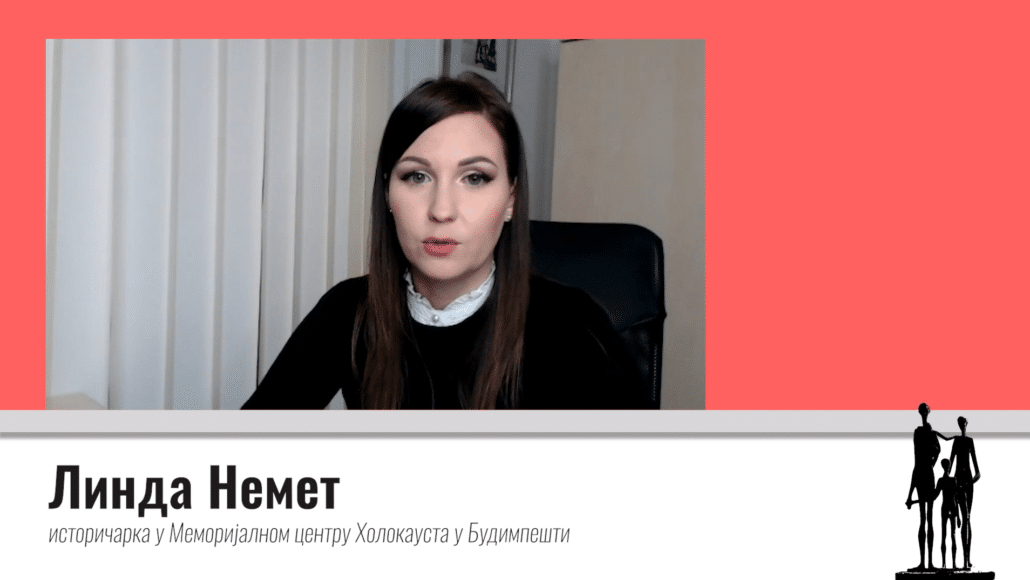
Linda Németh, Historian at the Holocaust Memorial Center, Budapest, spoke about survival strategies of women in concentracion camps. In order to describe the treatment of women, Linda Nemeth said:

When male survivors wrote about processing the Holocaust they appeared to be most upset about the ways that their wives, mothers and daughters were treated. In fact, the men reacted as if they themselves were personally assaulted by the humiliation of their women.

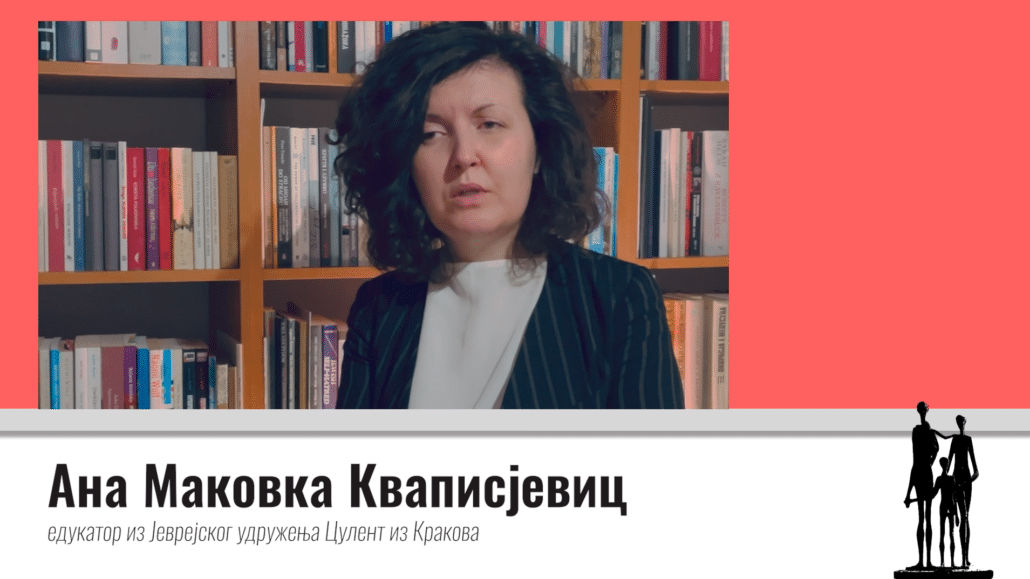
Anna Makówka-Kwapisiewicz, from the Jewish Association Czulent (Żydowskie Stowarzyszenie Czulent), spoke about gender perspectives in remembrance culture and today’s challenges. Makówka-Kwapisiewicz emphasized that:

Women were subjected to sex-specific types of harassment, which was perceived as far more traumatic, humiliating and degrading. Initially, many of us assumed that if we learned more about the Holocaust, we would have the tools to be sure that it could never happen again.

Otvaranje konferencije "Glas žene u ledenoj tišini"

EXHIBITION OPENING: “SPOTS OF LIGHT — TO BE A WOMAN IN THE HOLOCAUST”

Terraforming director, Miško Stanišić introduced the exhibition “Spots of Light — To Be a Woman in the Holocaust”. The exhibition, as well as its pedagogical guide for teachers, which was developed by Yad Vashem’s Traveling Exhibitions Department, in order to present Jewish womens’s experiences through their suffering and survival during the Holocaust.
Tračci svetla

Yad Vashem’s exhibition on women’s experiences in the Holocaust

SERBIAN ADAPTATION OF IHRA’S RECOMMENDATION FOR TEACHING AND LEARNING ABOUT THE HOLOCAUST

One of the highlights of this conference was the unveiling of the “Recommendations for Teaching and Learning about the Holocaust”.

The recommendations arose as a result of two years of cooperation and the joint work of experts from the International Holocaust Remembrance Alliance (IHRA), including experts from the Republic of Serbia. The handbook is the result of summarizing twenty years of international experience in education, gathered by the International Holocaust Remembrance Alliance.

This publication will be one of the most important materials to be used by teachers and all others involved in Holocaust education in the Republic of Serbia, including archivists, museum workers, librarians, historians, researchers and others interested.

Preporuke za učenje o Holokaustu

Publication of International Holocaust Remembrance Alliance (IHRA)

The conference was supported by the City of Novi Sad, Autonomous Province of Vojvodina and the delegation of the Republic of Serbia in the International Holocaust Remembrance Alliance