web analytics

About Topovske Šupe at the University of Cambridge

About Topovske Šupe at the University of Cambridge

About Topovske Šupe at the University of Cambridge

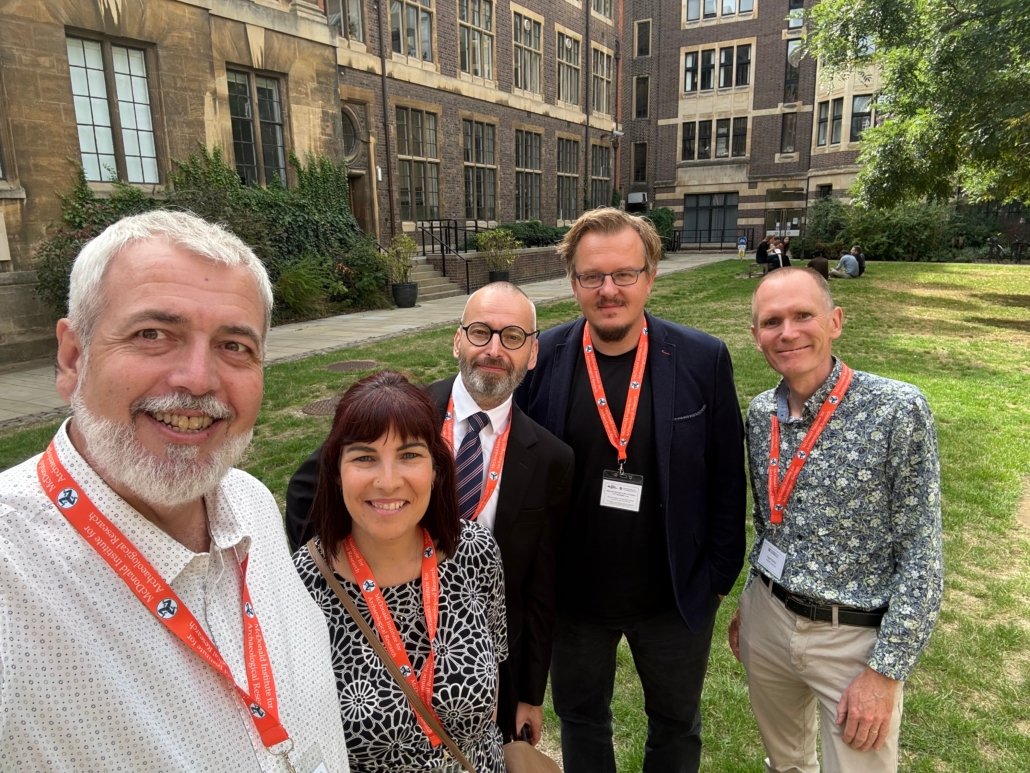
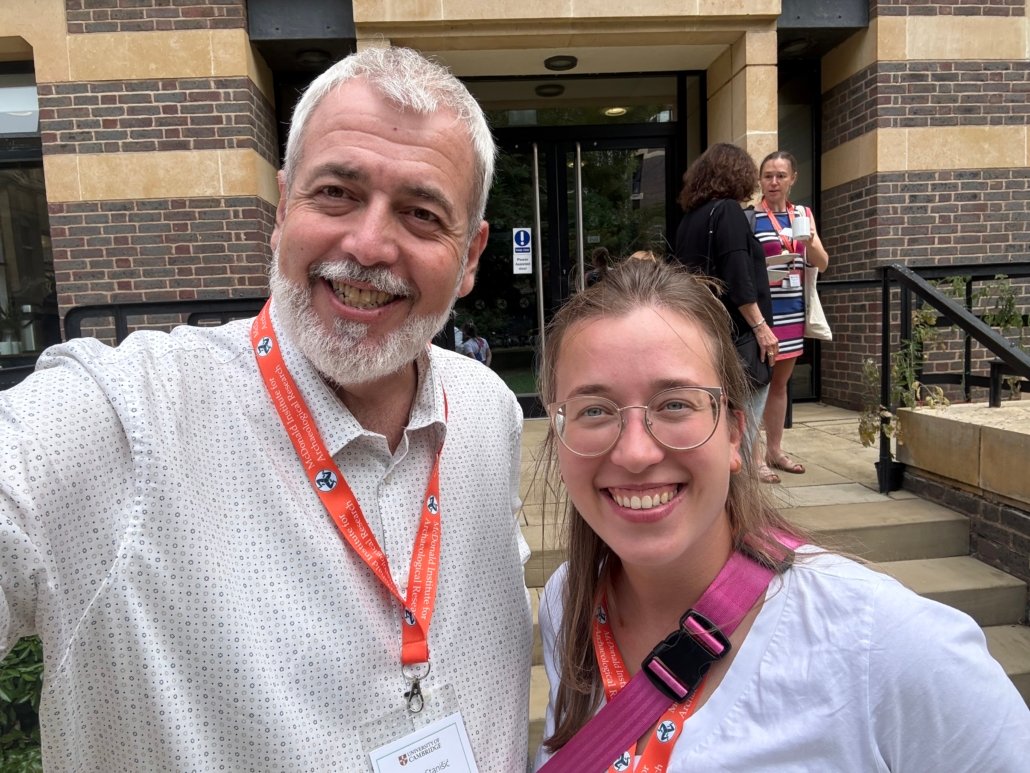
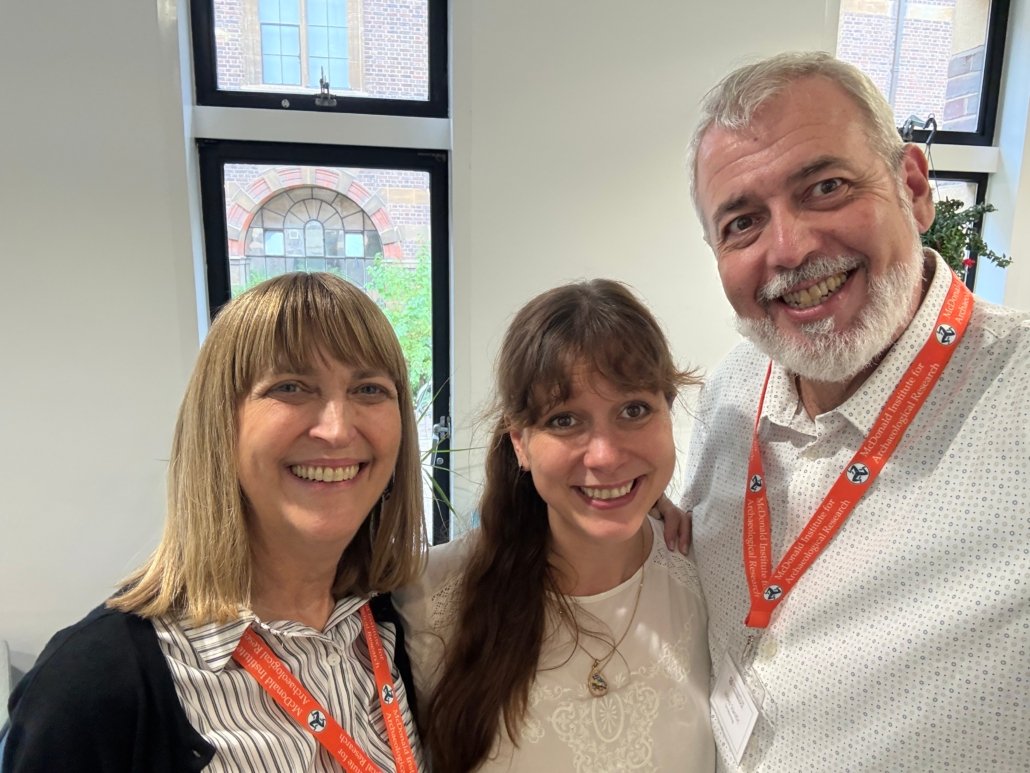
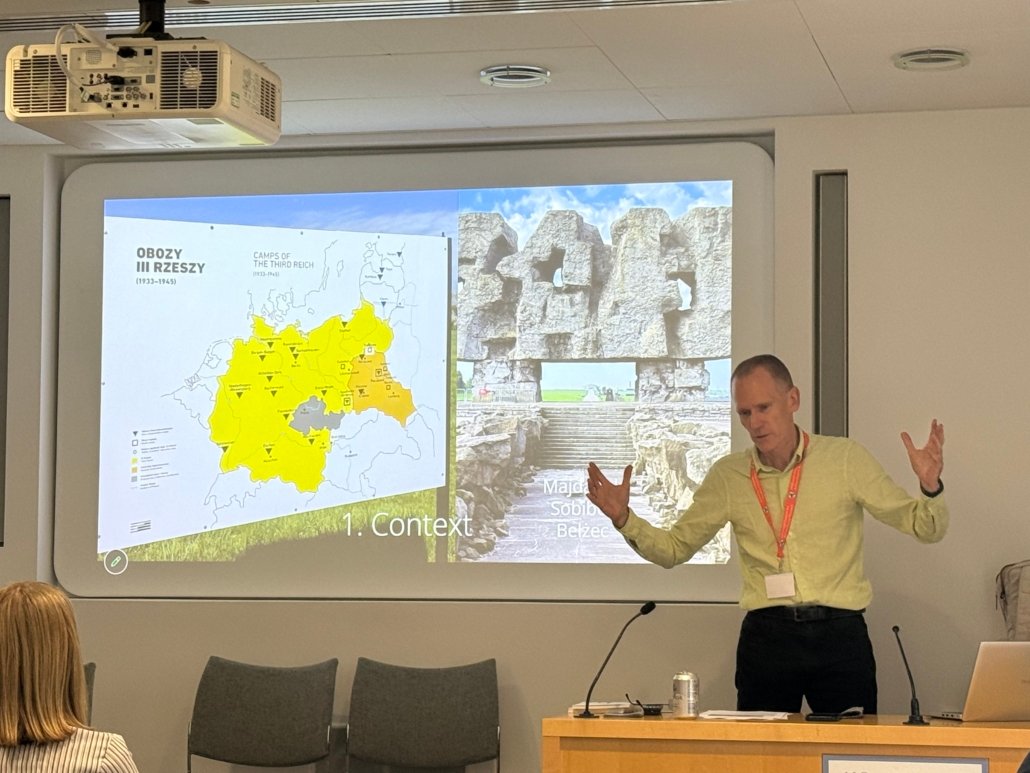
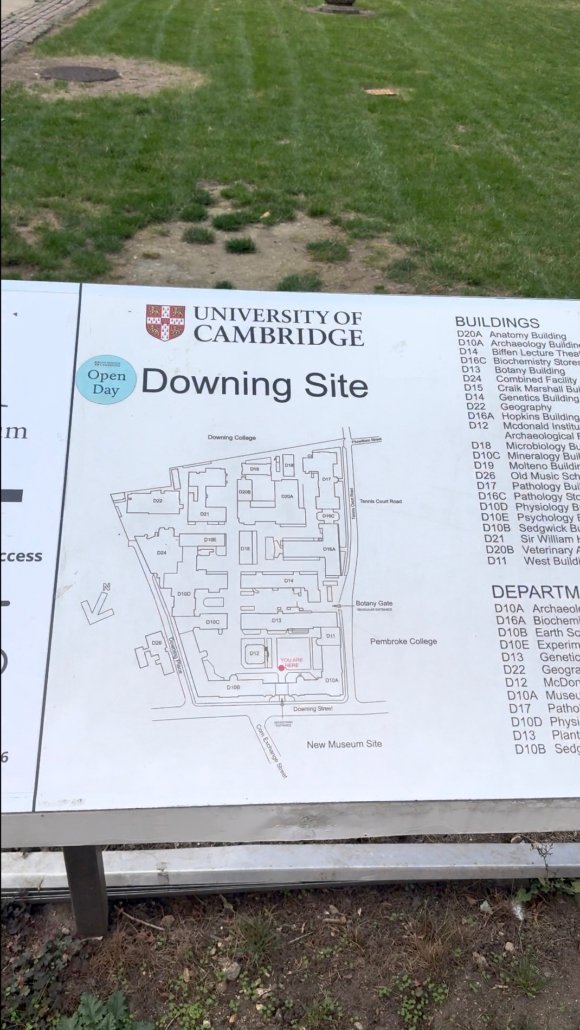
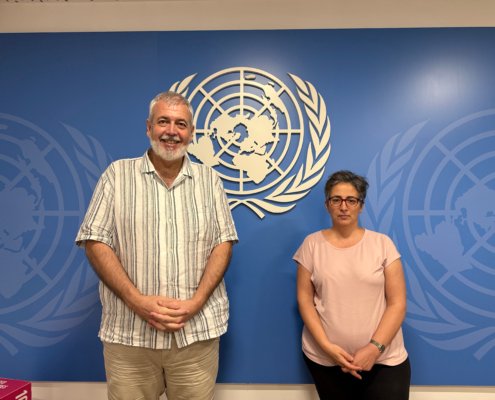
It was a great honour for Terraforming that our Director, Miško Stanišić, was invited to speak at the University of Cambridge—one of the world’s most renowned universities—at the international conference Holocaust Heritage in the 21st Century.

Holocaust Heritage in the 21st Century

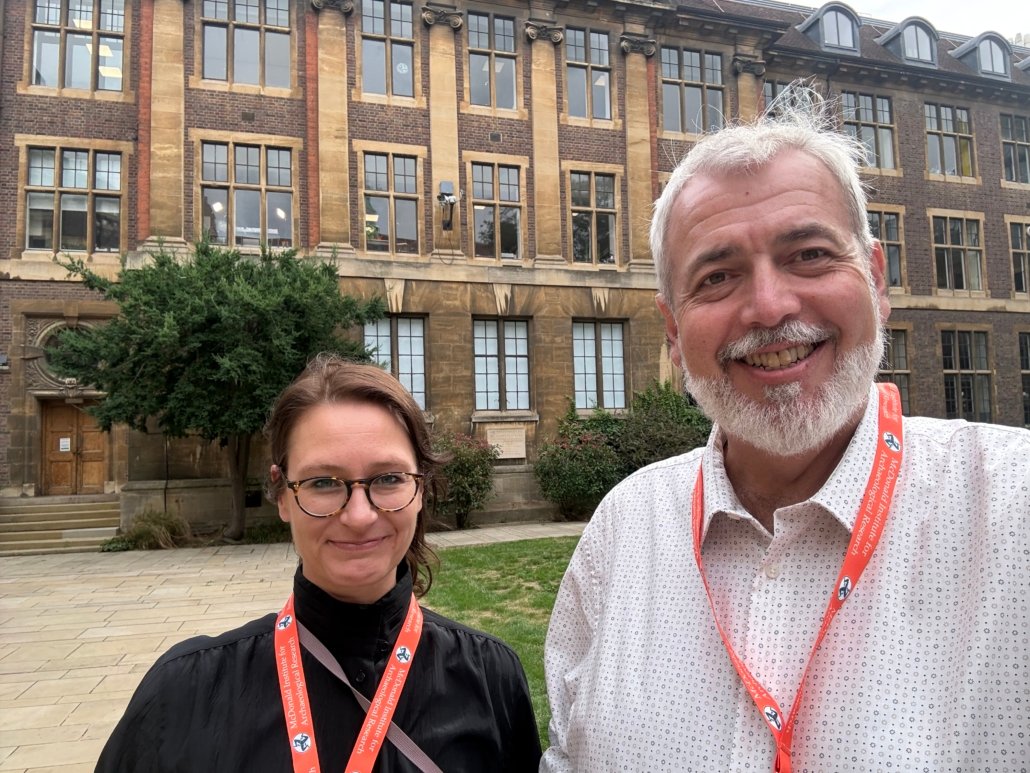
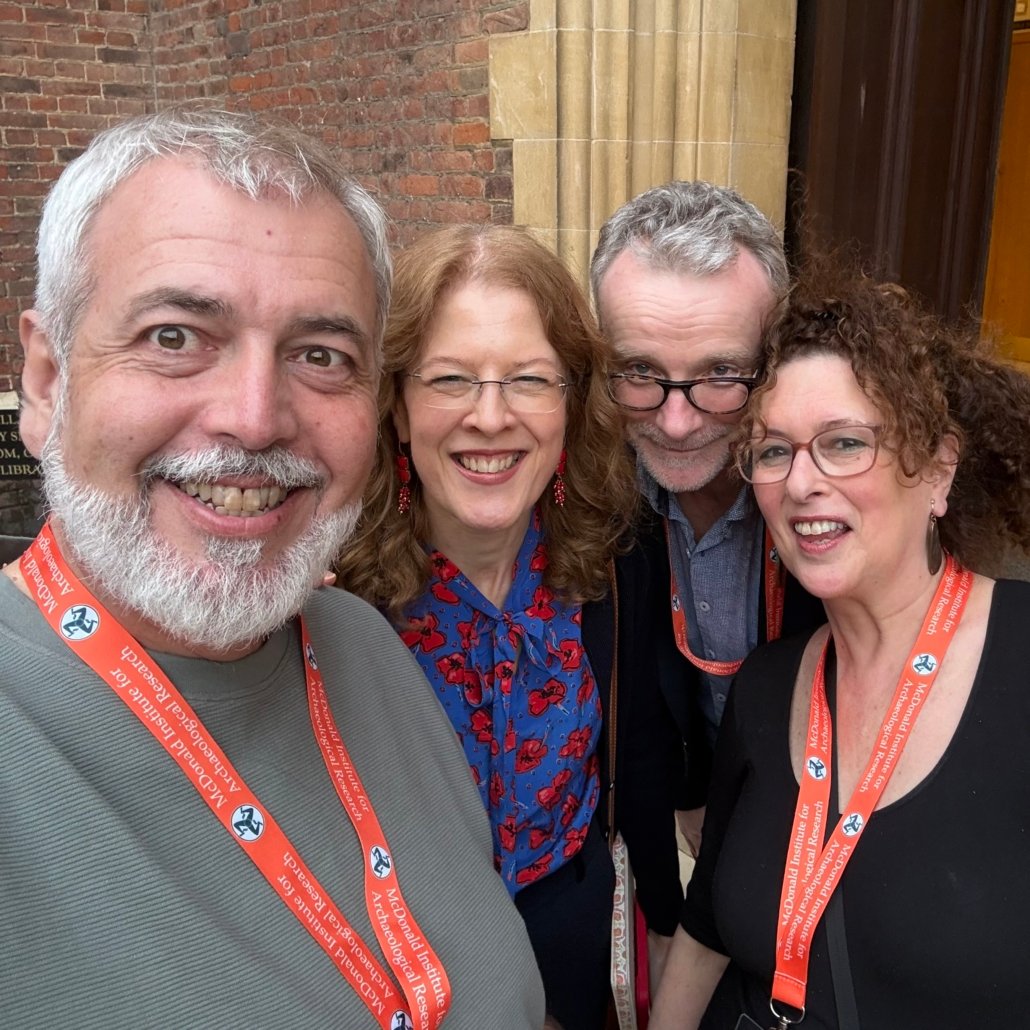
Held on 7–8 September at the McDonald Institute for Archaeological Research and St Catharine’s College of the University of Cambridge, the conference brought together leading researchers and heritage practitioners from institutions in at least 14 countries, including Australia, Austria, the Czech Republic, Germany, France, Israel, Poland, South Africa, the United States, the United Kingdom, and Serbia.

The conference provided an important international forum for examining how Holocaust sites and sites of the genocide of the Roma can be researched, protected and used for remembrance and education. Contributions from the conference will also inform a major international handbook on Holocaust heritage. The conference was supported by grants from the International Holocaust Remembrance Alliance (IHRA) and the McDonald Institute.

About Topovske Šupe at the University of Cambridge

Topovske Šupe: Between Neglect and Opportunity

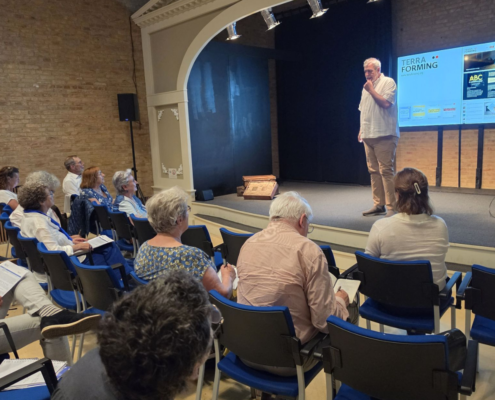
Miško presented “Topovske Šupe: Between Neglect and Opportunity” during the conference session “Views from the Memorial.”

Topovske Šupe is one of the authentic sites which disappeared from dominant public narratives. Approximately 5,000 Jewish men and 1,500 Roma men were imprisoned in this Nazi camp in Belgrade in 1941 before being transported to killing sites around the city and murdered. More than eight decades later, Topovske Šupe remains endangered, privately owned, largely inaccessible and almost invisible as a heritage site.

Miško argued that this condition cannot be explained simply as a failure to remember. It reflects decisions about which histories receive institutional attention, public space and resources—and which remain marginalised.

In Serbia, official commemoration increasingly centres national victimhood and collective innocence, putting memorialization in service of nationalist propaganda. Jewish and particularly Roma experiences remain at the margins, while the involvement of Serbian collaborationist institutions receives no public attention.

Selective Memory Culture for Strengthening Nationalist Ideas

“Topovske Šupe is difficult to incorporate into a public discourse centred on nationalist narratives,” Miško explained. “Its neglect does not show that Serbia lacks remembrance. It shows how remembrance is selected.”

The contemporary importance of this argument became starkly evident that same day. While international experts gathered in Cambridge to discuss the protection of Holocaust heritage, convicted war criminal Ratko Mladić was buried in Belgrade with full military honours and in the presence of senior state officials.

Miško described the public glorification of Mladić as the tip of the iceberg—a visible expression of a much deeper selective memory culture fostered by Serbia’s political authorities and used to inflame fear and hatred, reinforce nationalist ideas and weaken democratic responsibility. Faced with this reality, what strategies can we employ to engage with the past in ways that cultivate critical reflection and democratic competence?

About Topovske Šupe at the University of Cambridge

Inclusive Memory Culture

The presentation also set out concrete steps for safeguarding Topovske Šupe. At the centre of this approach is what he called an inclusive memory culture. Roma and Jewish communities must share authority over research, interpretation and decision-making, as well as the implementation and evaluation of programmes. Their knowledge and expertise must be recognised, supported and adequately resourced.

Miško concluded that the present condition of Topovske Šupe is itself part of the historical evidence and an important educational and civic opportunity. Learning at and about the site can begin now—by examining what has disappeared, what evidence survives, who preserved it, which institutions failed to act and how present-day decisions shape what future generations will be able to understand.

About Topovske Šupe at the University of Cambridge

Memory Culture for Democratic Competencies — and Against Nationalism

Safeguarding Topovske Šupe means preserving its remaining physical traces, recovering the stories of its victims and creating a place of remembrance and learning that develops critical thinking, strengthens democratic competences and holds institutions accountable for what happens next. But it also means countering nationalism and the abuse of history for political propaganda.

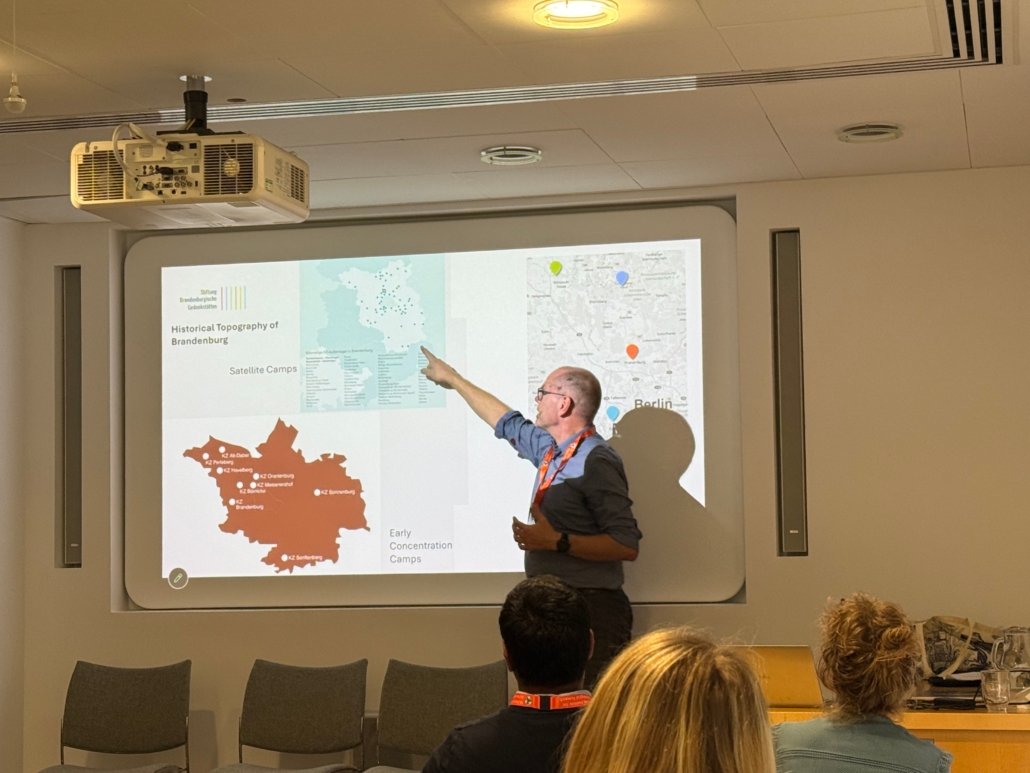
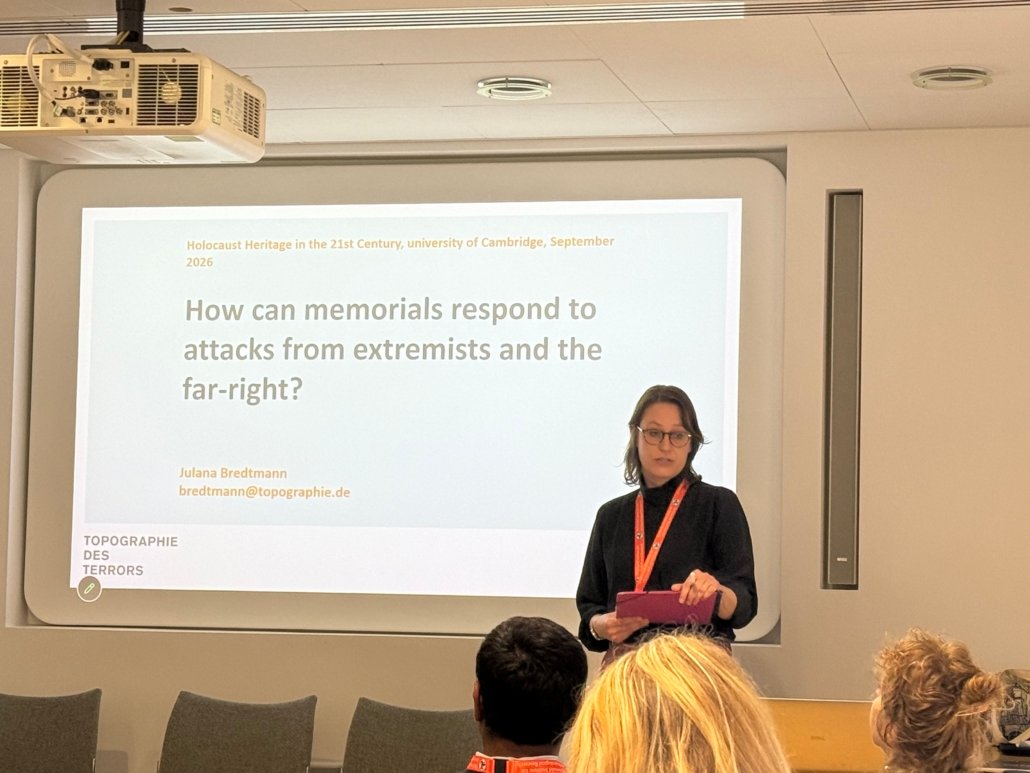
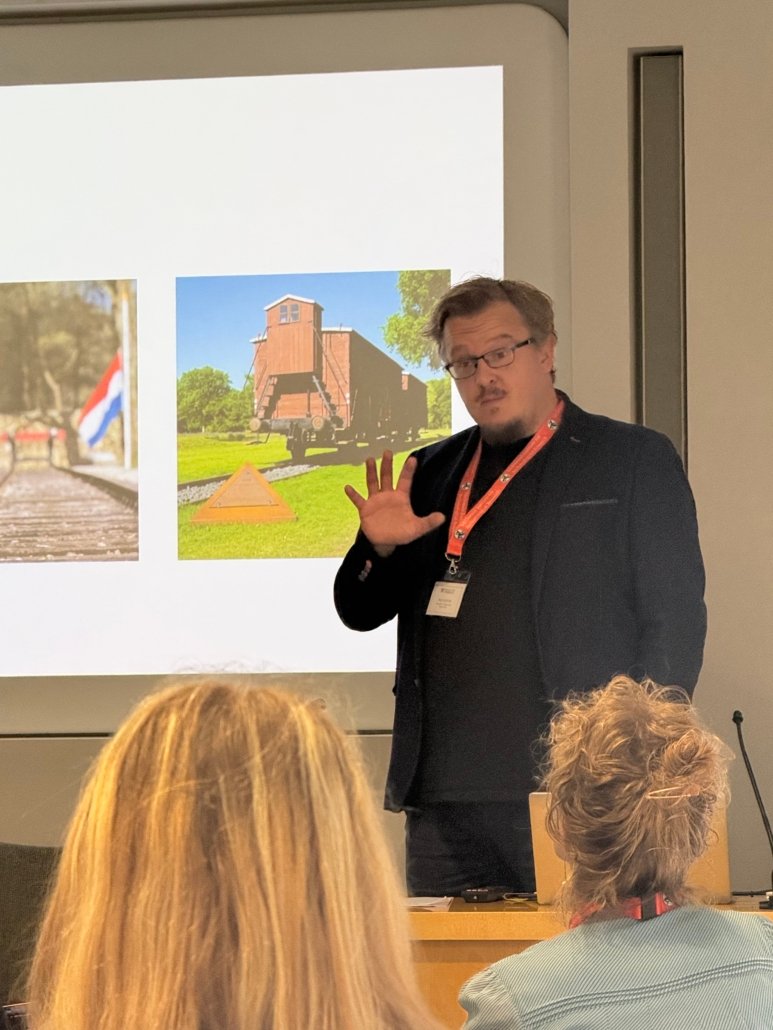
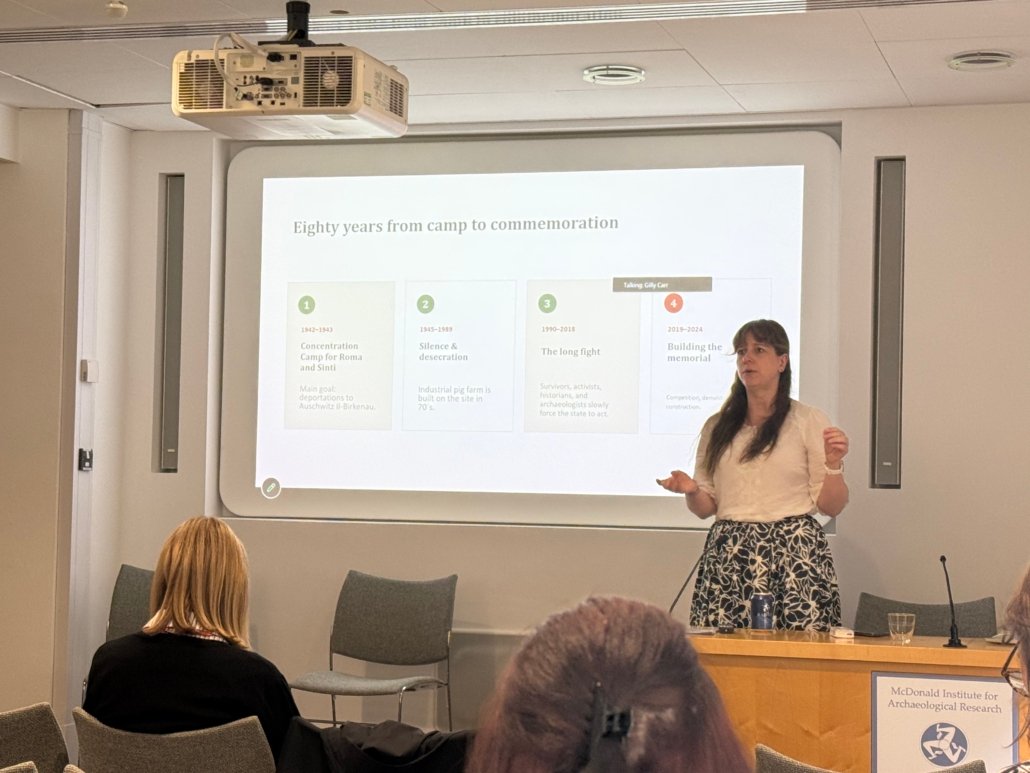
The conference was exceptionally rich and stimulating. Among the many excellent presentations we had the opportunity to attend at the McDonald Institute across both days were Bas Kortholt’s “Camp Westerbork as a Place of Competing Meanings”; Julana Bredtmann’s “How Can Memorials Respond to Attacks from Extremists and the Far Right?”; Gilly Carr’s “The Future of Holocaust Heritage”; Nigel Walter: “The conservation of Holocaust heritage buildings: Questions of authenticity and significance”; Anna Míšková’s “From Pig Farm to Memorial: Lety u Písku and the Long Road to Recognising Roma Genocide Heritage”; and Karen Frostig’s “Unlocking the Past: The Recovered History of the Jungfernhof Concentration Camp and a Conceptual Design for a Permanent Memorial at a Forgotten Site”. We were especially encouraged that many colleagues approached Miško after his presentation to learn more about Topovske Šupe and Terraforming’s work in Serbia, opening new possibilities for exchange and cooperation.

Megaphone Megaphone More News

The Digital Transformation of Holocaust Remembrance, EMDS Eindhoven, 19.6.2026.Terraforming

The Digital Transformation of Holocaust Remembrance

We attended the Jewish Heritage Network (JHN) expert conference on the digital transformation of the culture of remembrance, held on June 19, 2026, in Eindhoven. During the event, Terraforming Director Miško Stanišić presented the EMDS framework and the importance of AI literacy in Holocaust education.
Connecting Stories: Migration as a Shared European HistoryTerraforming

Connecting Stories: Migration as a Shared European History

Connecting Stories is a free bilingual digital learning module created by Terraforming and the Arolsen Archives. Through four interactive chapters, young people in Serbia and Germany investigate interconnected histories of persecution, flight, labor migration and displacement—and consider questions of borders, belonging, assistance and individual responsibility.

Mail Mail Sign up for our newsletter