A shared history told through personal stories
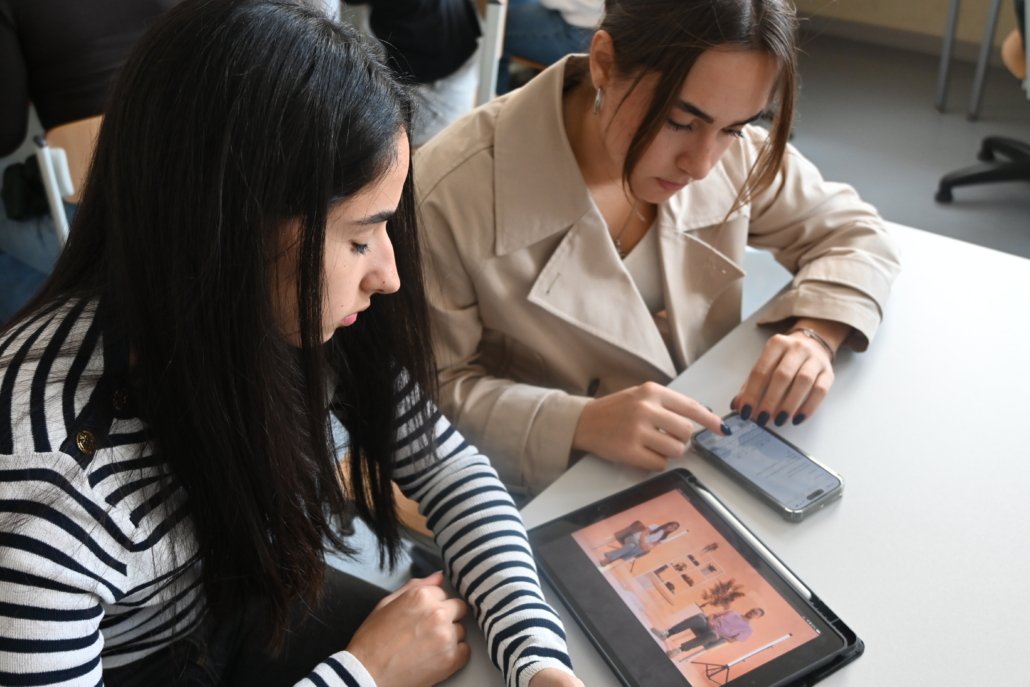
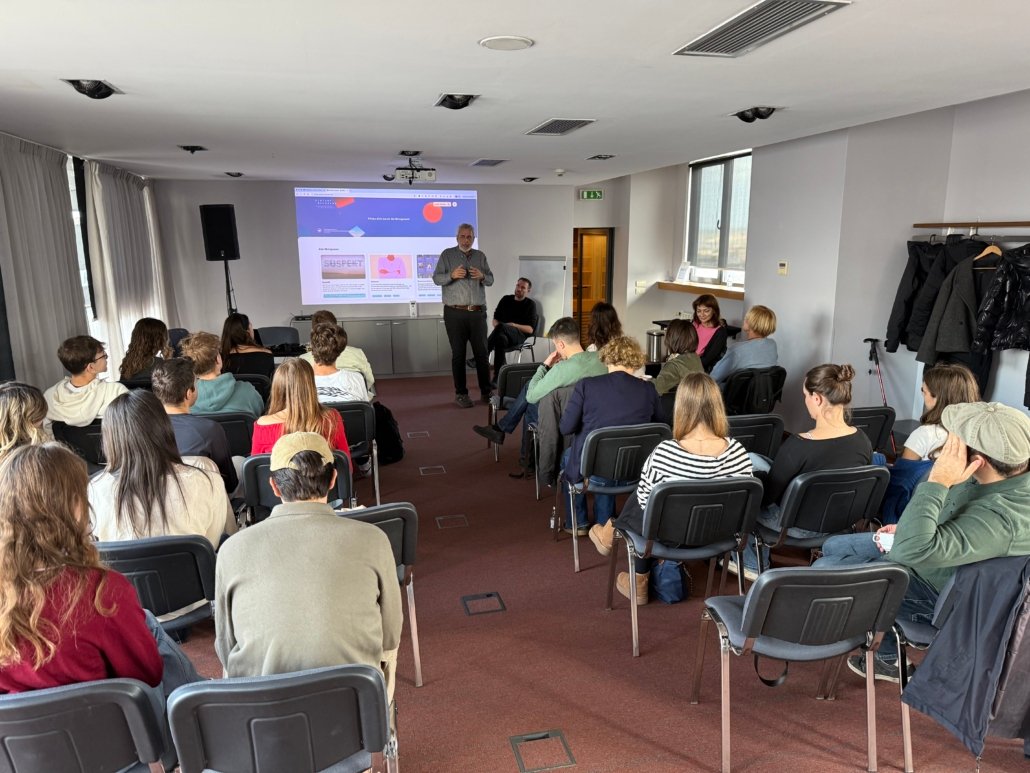
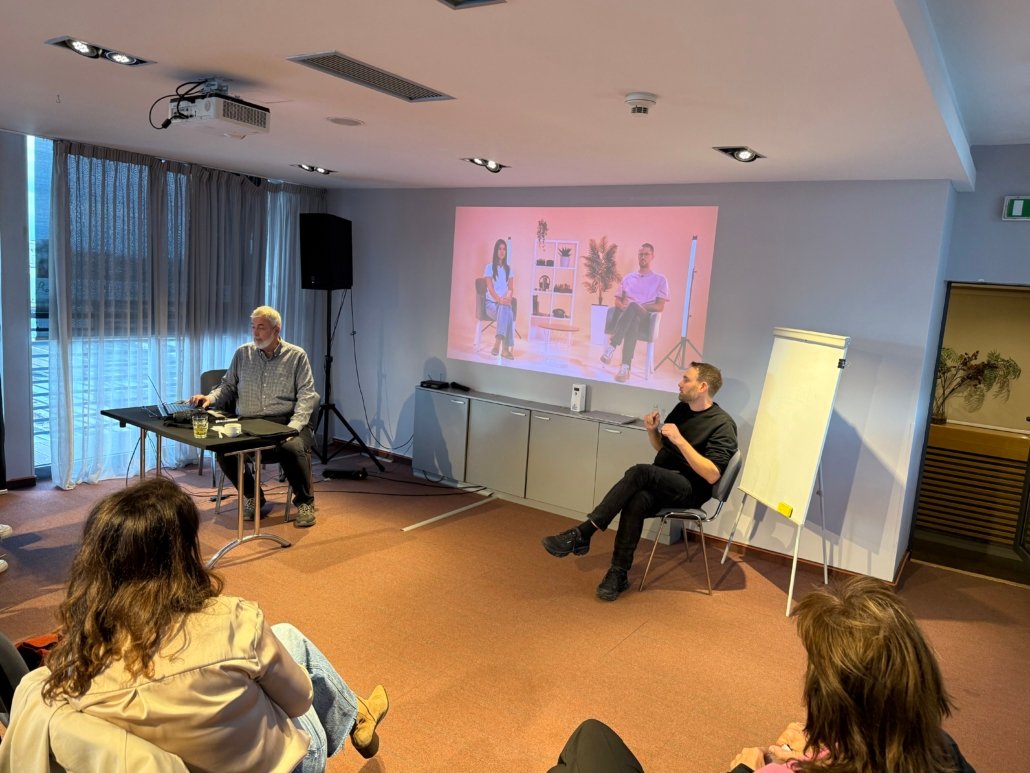
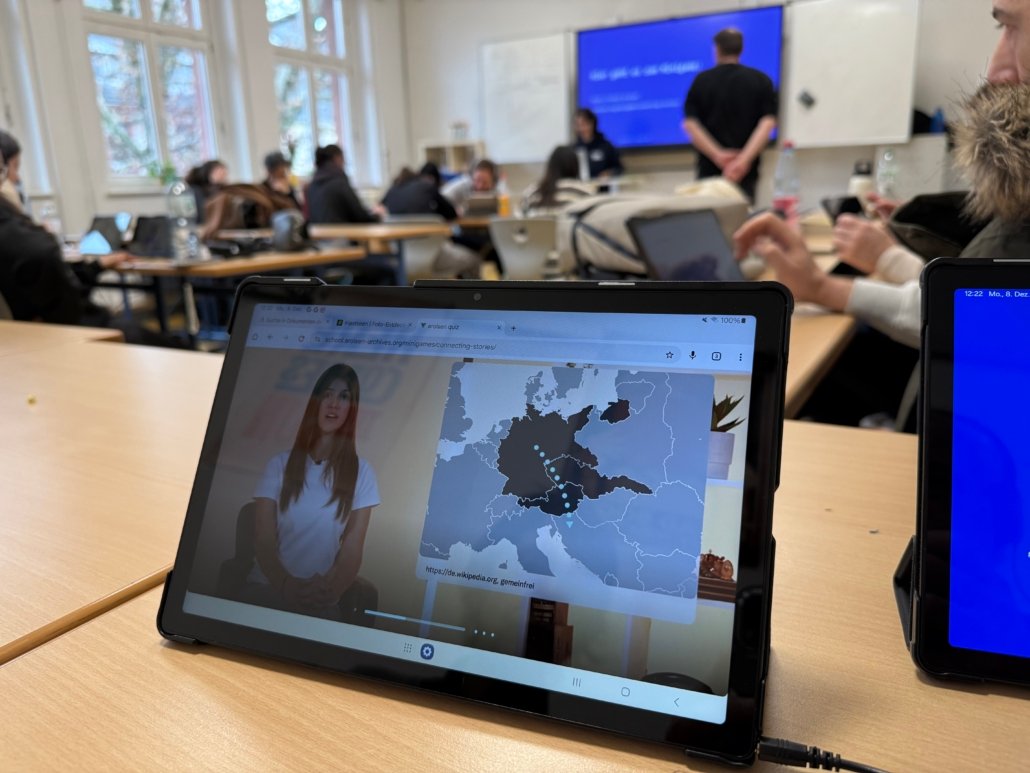
Connecting Stories is a free bilingual digital learning module created by Terraforming and the Arolsen Archives to help young people in Serbia and Germany investigate migration as a connected European history.
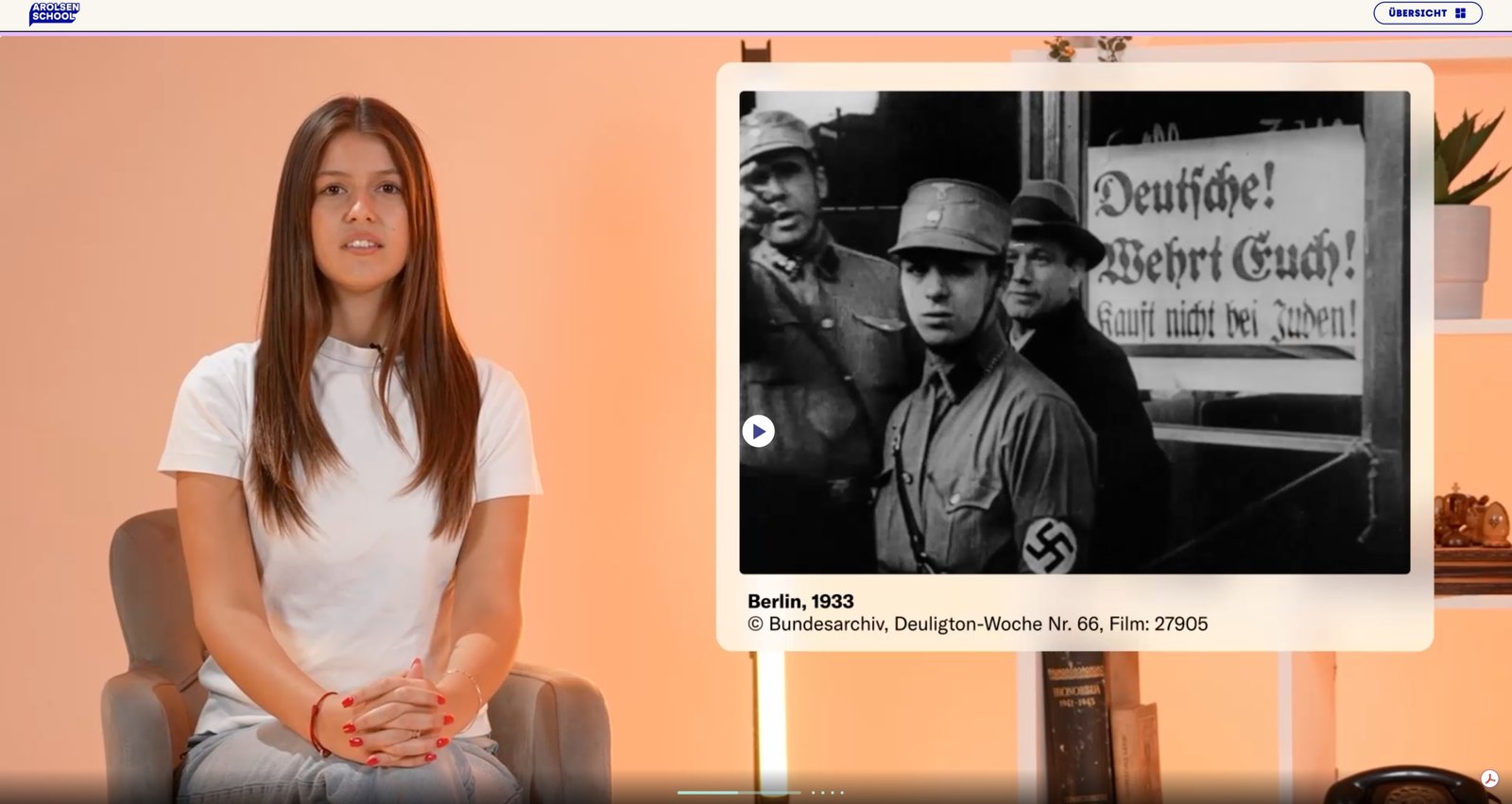
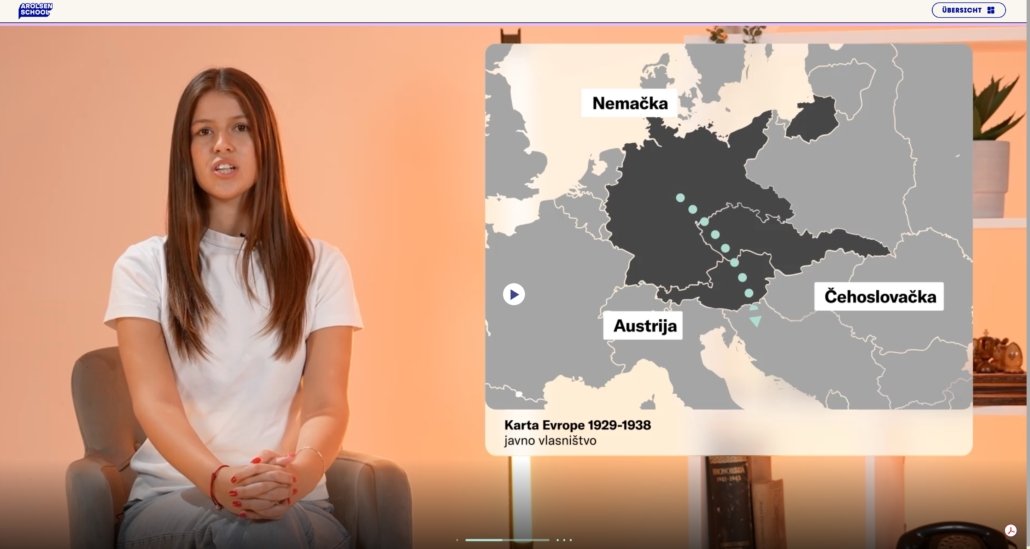
It begins with a transnational chapter of European history: the experiences of Jews fleeing Nazi persecution in Germany, Austria and Czechoslovakia who sought routes through the Kingdom of Yugoslavia, including present-day Serbia, during the 1930s and the Second World War.
Through personal stories, students encounter them not only as refugees and targets of persecution, but as historical actors with identities, relationships, values and agency. Their stories illuminate resilience and resistance, courage and generosity, mutual assistance and efforts to preserve dignity under restricted circumstances.
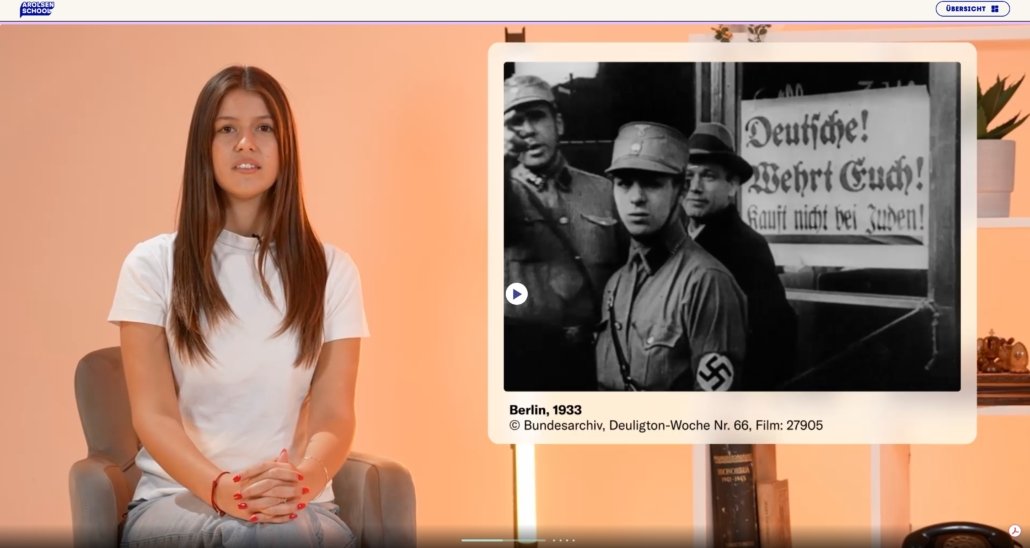
Students also examine the reasons for flight, the dangers and restrictions people faced, and the changing responses of state authorities, local communities and Jewish aid networks. The module preserves the historical specificity of Nazi persecution and the Holocaust while presenting Jewish history as an integral part of Europe’s shared history and heritage.
This human-centered approach extends across all four chapters, presenting migrants and refugees as individuals who act, decide, help others and respond to changing circumstances.









 Terraforming