web analytics

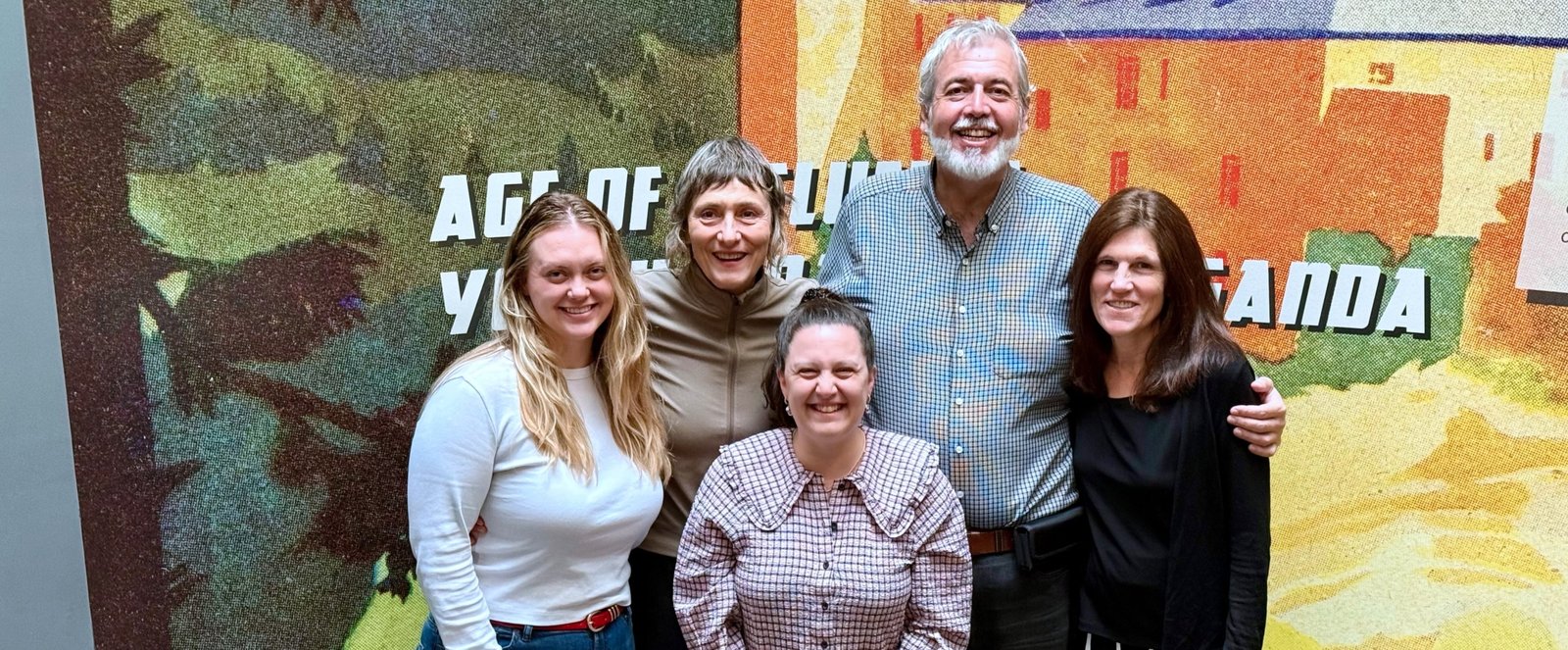
VHEC team

Exchange study visit:

Canada through the lens of memory culture

With the support of the European Network for Combating Antisemitism through Education (ENCATE) and the International Holocaust Remembrance Alliance (IHRA), Terraforming and the Vancouver Holocaust Education Centre (VHEC) took part in reciprocal study visits in April 2026 in Vancouver and Toronto, Canada, and in Novi Sad and Belgrade, Serbia. The aim of the program was to foster cooperation and strategic partnership, as well as the exchange of knowledge, best practices, and methodologies between Canada and Serbia, including the implementation of the IHRA recommendations on Holocaust education and the genocide of the Roma.

Logos

Terraforming in Canada

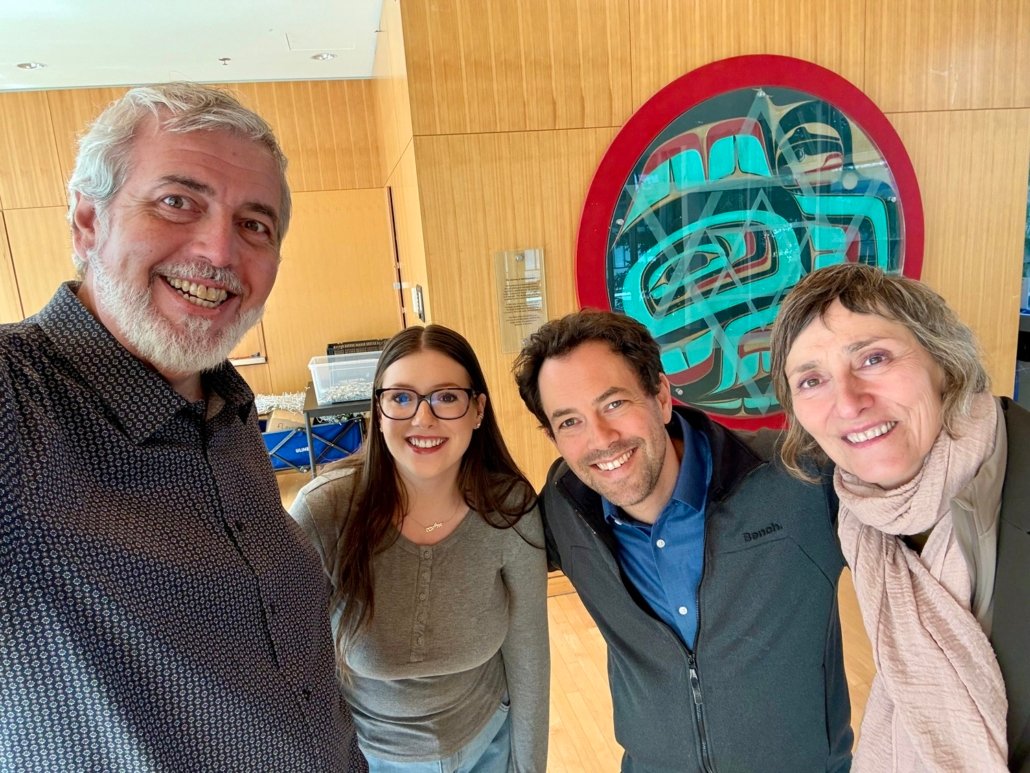
The seven-day exchange program in Canada included visits to Vancouver, Victoria, and Toronto. The Canadian host of this exchange was the Vancouver Holocaust Education Centre VHEC, a distinguished institution with a rich tradition, with which Terraforming maintains an active exchange, led by Executive Director Hannah Marazzi. Representing Terraforming, Miško Stanišić and Nevena Bajalica participated in this exchange.

Pioneers of video testimonies

The Vancouver Holocaust Centre Society was founded as early as 1983 by Holocaust survivors in British Columbia, with the aim of creating a permanent institution dedicated to remembrance and education. Even then, as the first institution in the world, they began pioneering work in recording and depositing video testimonies of Holocaust survivors. In 1994, the Centre took its final form as the Vancouver Holocaust Education Centre (VHEC), tasked with engaging students, educators, and the wider public in British Columbia and beyond—through education and remembrance—on the history of the Holocaust and its enduring relevance. VHEC’s vision is focused on creating a world without antisemitism, discrimination, and genocide, while promoting social justice and human rights for all.

Today, the Centre is located in the Jewish Community Centre of Greater Vancouver JCCGV, where it has exhibition space, an extensive archival collection, and close cooperation with the community of Holocaust survivors. On this foundation, VHEC develops educational programs that reach thousands of pupils and students each year, both in the Centre’s exhibition and workshop spaces and through active school visits.

Of course, institutions are merely empty shells without a talented and dedicated team. VHEC has an impressive team of outstanding, highly skilled, and motivated people, led by the remarkable Hannah Marazzi, the Centre’s Director. Hana is also a member of the Canadian delegation to the International Holocaust Remembrance Alliance (IHRA).

A museum with a mission to educate

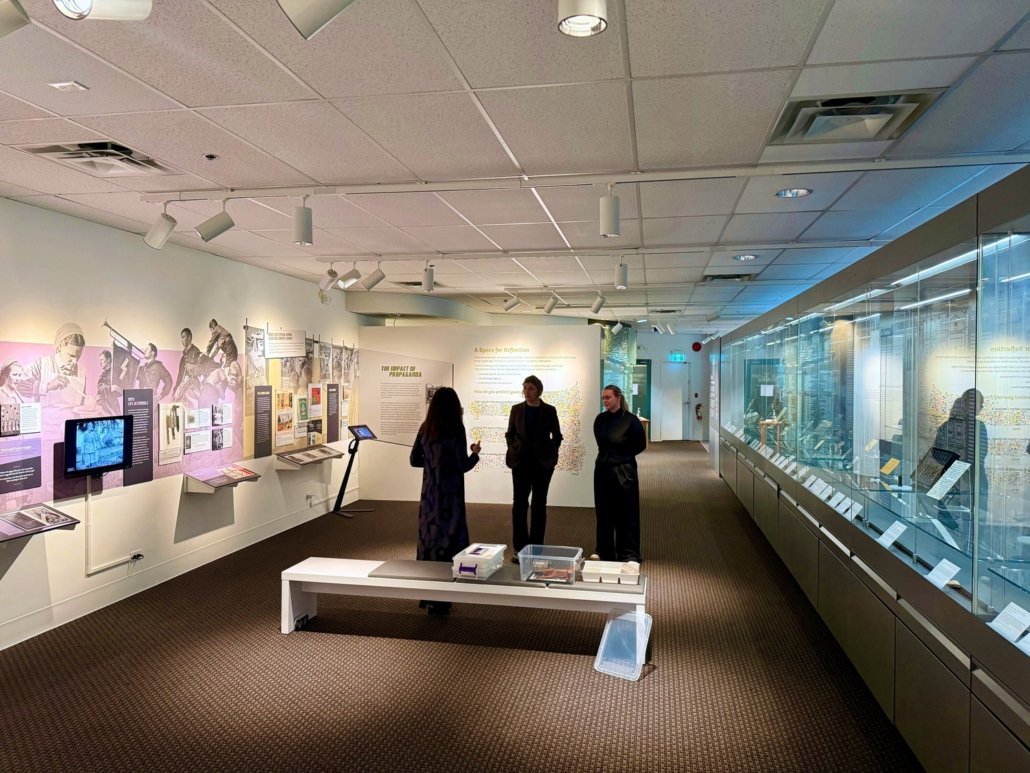
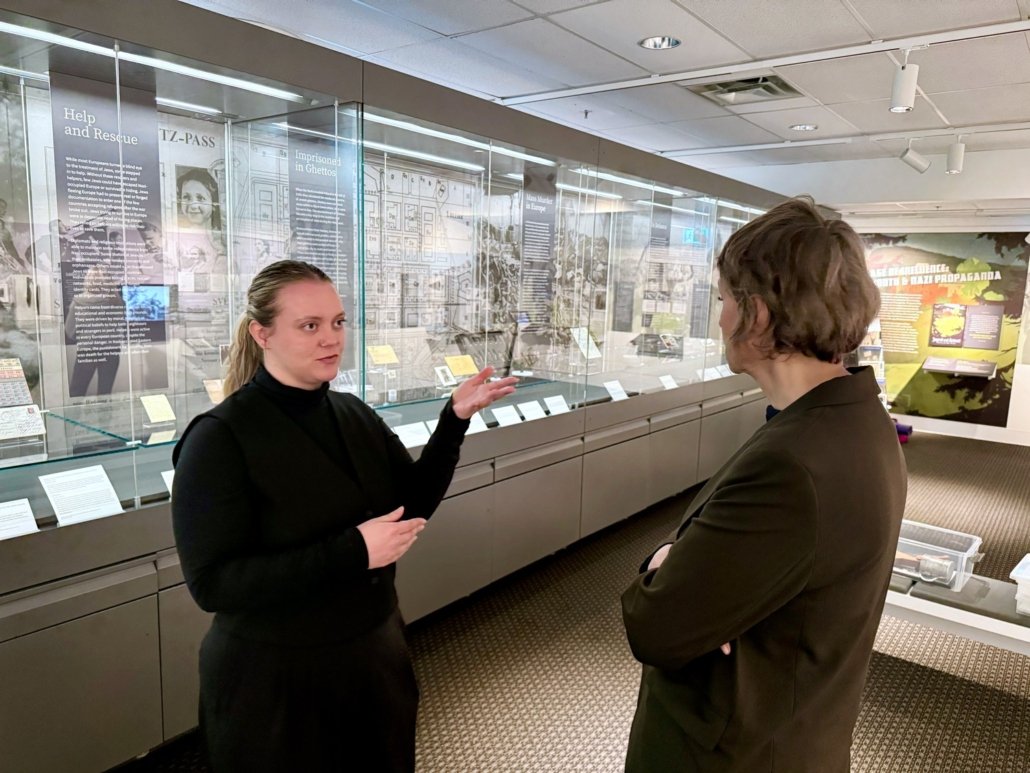
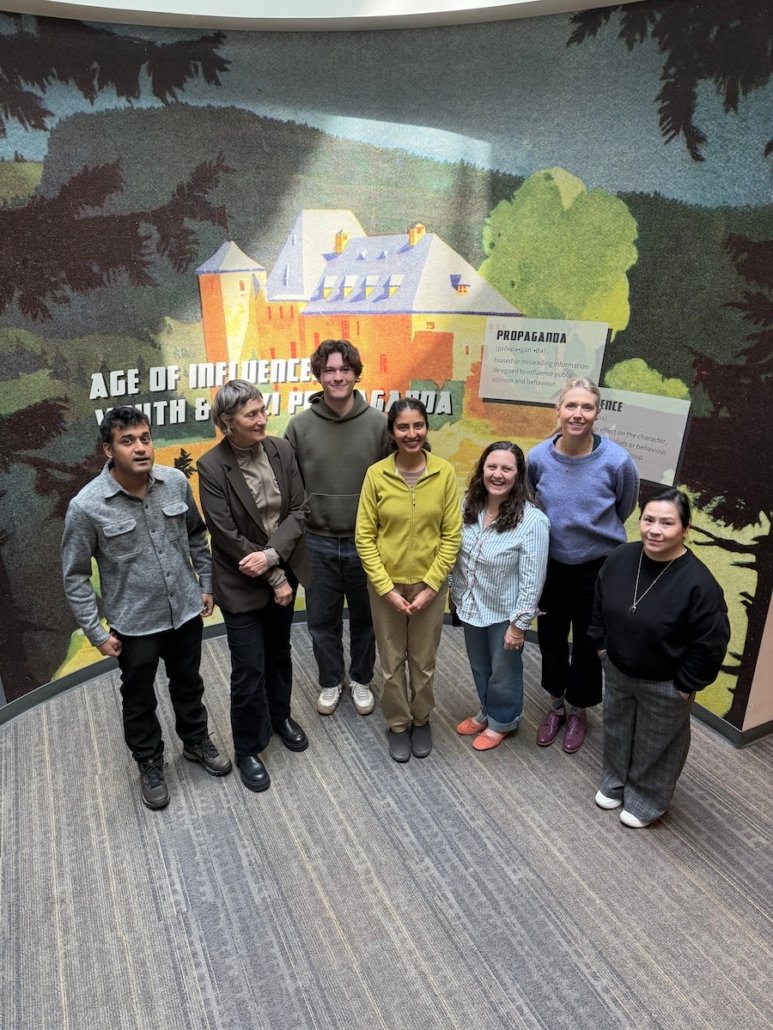
Quite naturally, we began in the education department. Lise Kirchner, Director of Education, and Ellie Lawson, Educator, presented the museum’s permanent display and the exhibition “Age of Influence: Youth & Nazi Propaganda”, currently on view at VHEC. This compelling exhibition focuses on Nazi propaganda specifically targeting young people. We discussed pedagogical concepts, experiences, and best practices in working with younger audiences, both in the exhibition space and in schools. It became clear that we are guided by the same or very similar didactic principles and international standards articulated through the IHRA recommendations, and that we face similar challenges.

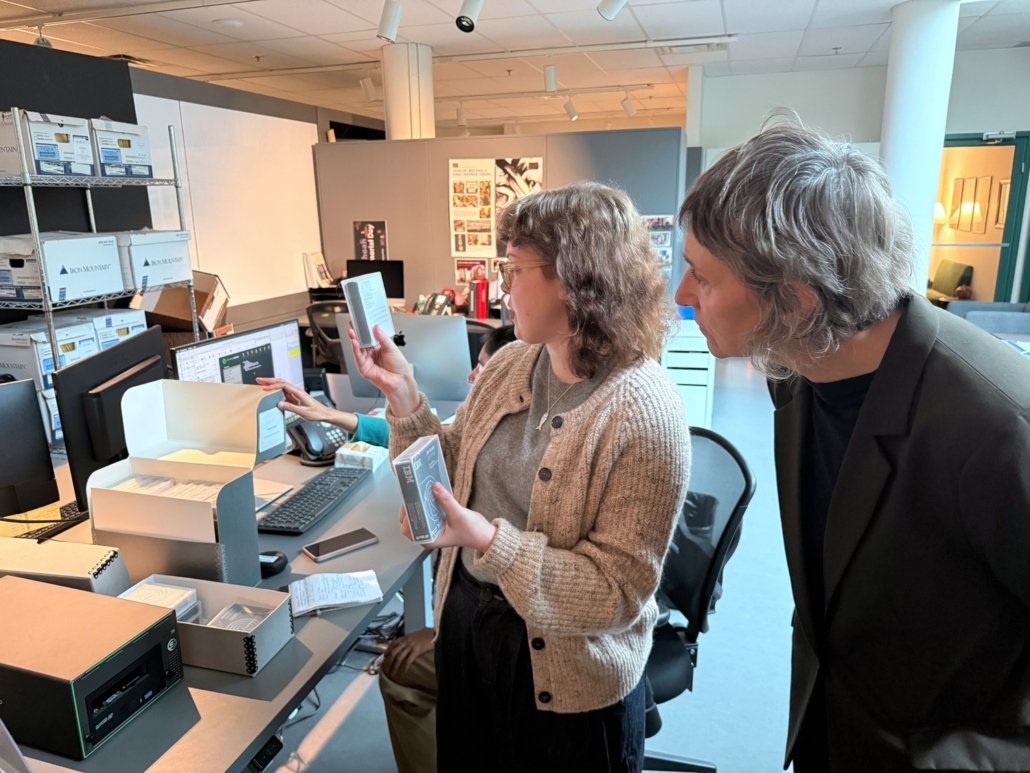
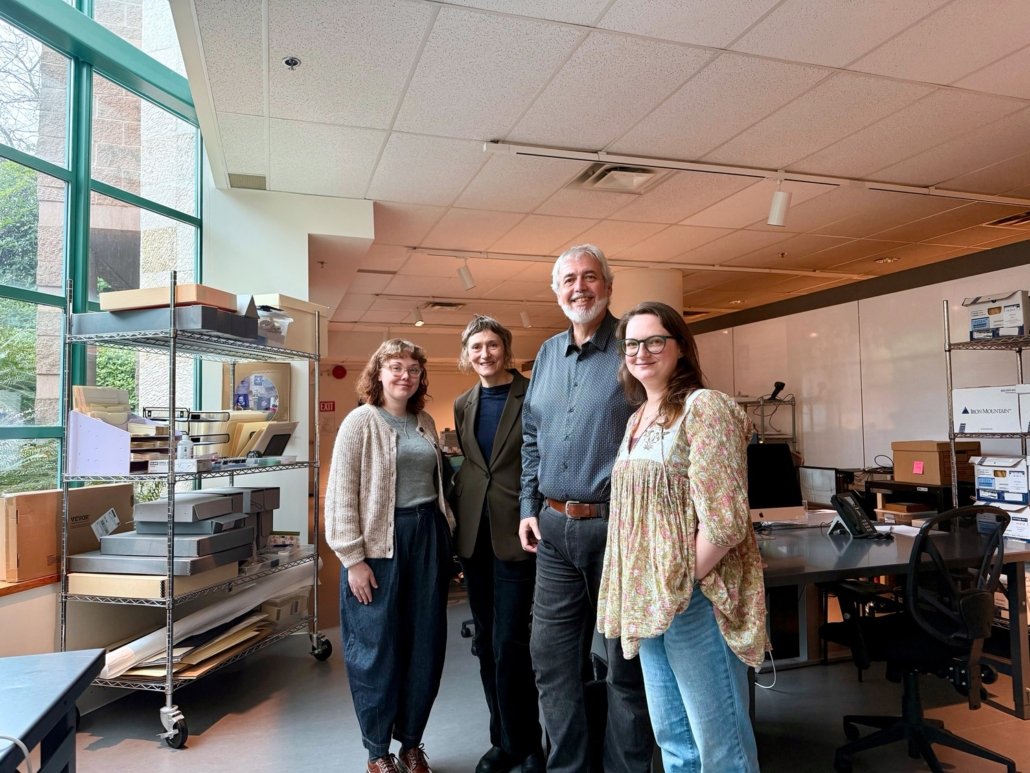
Professional guidance through the VHEC archive was provided by archivist Ada Alster. VHEC’s archival holdings include materials donated by Holocaust survivors who settled in British Columbia, victims’ families, and witnesses. The types of materials in the archive include personal documents, correspondence, school records, photographs, memorabilia, newspaper clippings, travel documents, documentation related to exhibitions and events, as well as other items documenting pre-war life, the Holocaust, and survivors’ post-Holocaust experiences, including immigration.
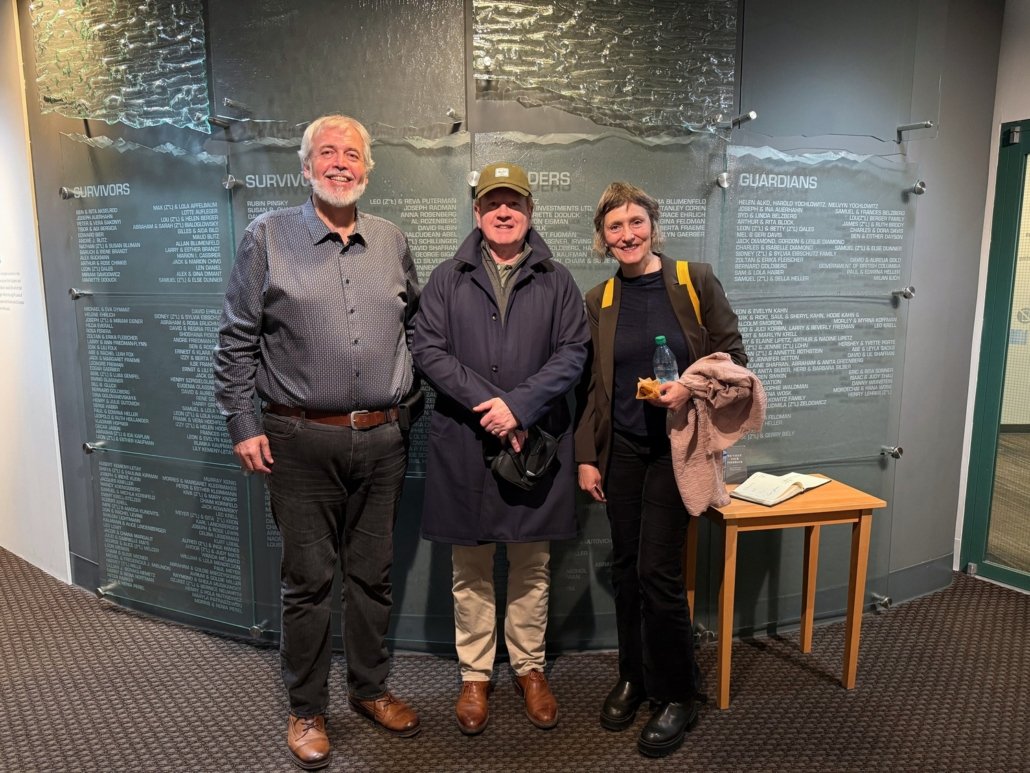
VHEC museum
VHEC museum
VHEC Archives

Meetings with leading figures in research, commemoration, and education

Our gracious hosts organized several meetings with prominent researchers, academics, and other relevant stakeholders in the fields of Holocaust memorialization and education, and the fight against antisemitism in British Columbia.

A particular pleasure and great honor was meeting VHEC founder Dr Robert Krell, a world-renowned expert on childhood trauma who was the first to begin recording Holocaust video testimonies. Dr Robert Krell is a distinguished Canadian psychiatrist, Professor Emeritus at the University of British Columbia, and a Holocaust survivor, whose life has become synonymous with the fight against forgetting and the healing of profound human trauma. Born in the Netherlands, he spent the war years in hiding as a child, and after the war emigrated to Canada and devoted himself to medicine. Over the course of a rich career, he became a pioneer in the study of intergenerational trauma, focusing in particular on children who survived the Holocaust and whose psychological suffering had until then been overlooked. Driven by a mission to preserve historical truth, he founded the Vancouver Holocaust Education Centre (VHEC), through which he initiated the recording of hundreds of testimonies and the education of new generations about the dangers of antisemitism and racism. For his tireless work in the fields of trauma, public memory, and human rights, he has received the highest state honors, including the prestigious Order of Canada. With Dr Krell, we discussed the connections between Canada and Serbia through the experiences of Holocaust survivors. We reflected on Jewish prisoners subjected to forced labor in the Bor mine, and the fact that some of those who survived emigrated to Canada after the war. Dr Krell emphasized the importance of speaking about Jewish heroes as well, such as Rudolf Vrba, whom he knew personally and worked with in Canada. Rudolf Vrba was a Slovak-Jewish biochemist who, as a teenager in 1942, was deported to the Auschwitz concentration camp. He escaped the camp in April 1944, at the height of the Holocaust, and co-authored the Vrba–Wetzler Report, a detailed account of the mass murders taking place in Auschwitz. When the report leaked to Switzerland in June 1944 and then reached London, Washington, and the Vatican, media outlets such as The New York Times and the BBC reported excerpts. The truth about Auschwitz became official and indisputable, directly contributing to the rescue of more than 200,000 Jews from Hungary. We promised Dr Krell that we would find a way to include Rudolf Vrba’s story in our teaching materials as well.

We had an inspiring meeting with Canadian anthropologist Timothy Taylor, a professor at the University of Victoria. Professor Taylor produced the podcast The Hidden Holocaust Papers: Survival, Exile, Return, developed in collaboration with VHEC.

We had an outstanding conversation with Lauren Faulkner Rossi, Professor of History at Simon Fraser University. Specializing in Holocaust studies, religion, and modern Europe, Professor Faulkner Rossi is the author of Wehrmacht Priests, and her work explores memory, trauma, and lived religious experience during the Holocaust.

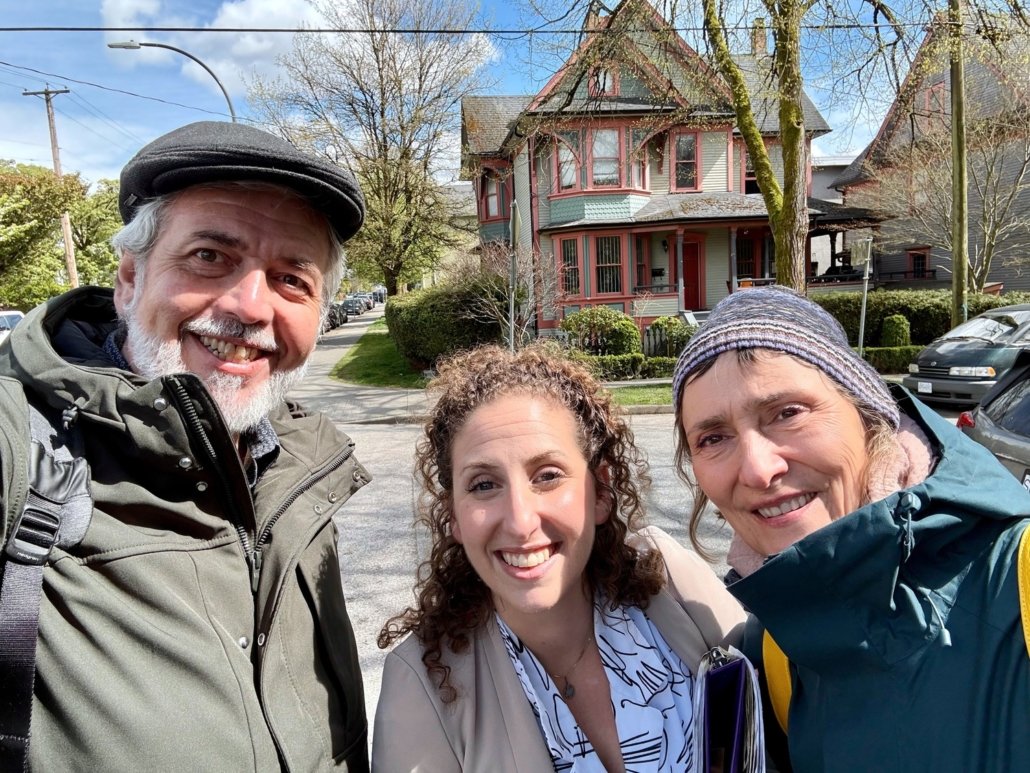
Elana Wenner, Director of Programs and Development at the Jewish Museum and Archives of BC, guided us through the city’s former Jewish neighborhoods and the vivid story of Jewish immigrants in Vancouver. Canada is built on stories of immigration, and we in Serbia—who have, unfortunately, had considerable experience with refuge and displacement—can recognize many similar challenges, tragicomic details, and also how vital solidarity within the community is in times of crisis.

Gina Csanyi-Robah . She has testified before committees of the Canadian Parliament and Senate on immigration policy, spoken at the United Nations, and contributed to national and international efforts to recognize the genocide of the Roma. She is a member of the Canadian delegation to the International Holocaust Remembrance Alliance (IHRA). We had a warm and candid conversation with Gina about how we can support one another in implementing the IHRA recommendations for teaching and learning about the genocide of the Roma. In cooperation with the Vancouver Holocaust Education Centre (VHEC) and the Canadian Romani Alliance, we will work on adapting Terraforming’s educational graphic novel about the persecution of Roma in Srem and occupied Belgrade, “Iz kasa u galop,” for use in the Canadian context, in Holocaust education and education about the persecution of Roma in Canadian classrooms.

VHEC Archives
VHEC
VHEC
VHEC

Presentations on Terraforming’s work, the state of memory culture, and the challenges of antisemitism in Serbia

Miško Stanišić delivered a presentation to VHEC staff about Terraforming’s work. Our hosts listened with great interest to Terraforming’s extensive experience in developing diverse teaching methodologies and pedagogical materials—from educational graphic novels to the use of artificial intelligence as an interface for engaging with testimonies.

They were particularly struck by the complexity of memory culture in Serbia, a society with a fragile democratic tradition still dominated by unprocessed traumas from the conflicts of the 1990s, while nationalism and politicization are the main catalysts shaping the presentation and understanding of history. As a result, distortion and misuse of history—including the Holocaust—are frequent both in official and institutional narratives. A lack of courage and political will to address controversial topics such as collaboration, one’s own crimes, manipulation of victim numbers, and blaming others—especially for day-to-day political propaganda—are key features of the vicious Balkan cycle of mutual fueling of nationalism and hatred.

We also spoke about our initiatives to present and implement IHRA standards and recommendations in Serbia, especially the recommendations on teaching and learning about the Holocaust and the genocide of the Roma, and we wish to develop cooperation with VHEC in this area as well. In the discussion that followed, colleagues from VHEC repeatedly emphasized that they were impressed by Terraforming’s commitment and results, especially given that we are a relatively small team operating under complex conditions.

Antisemitism in transition

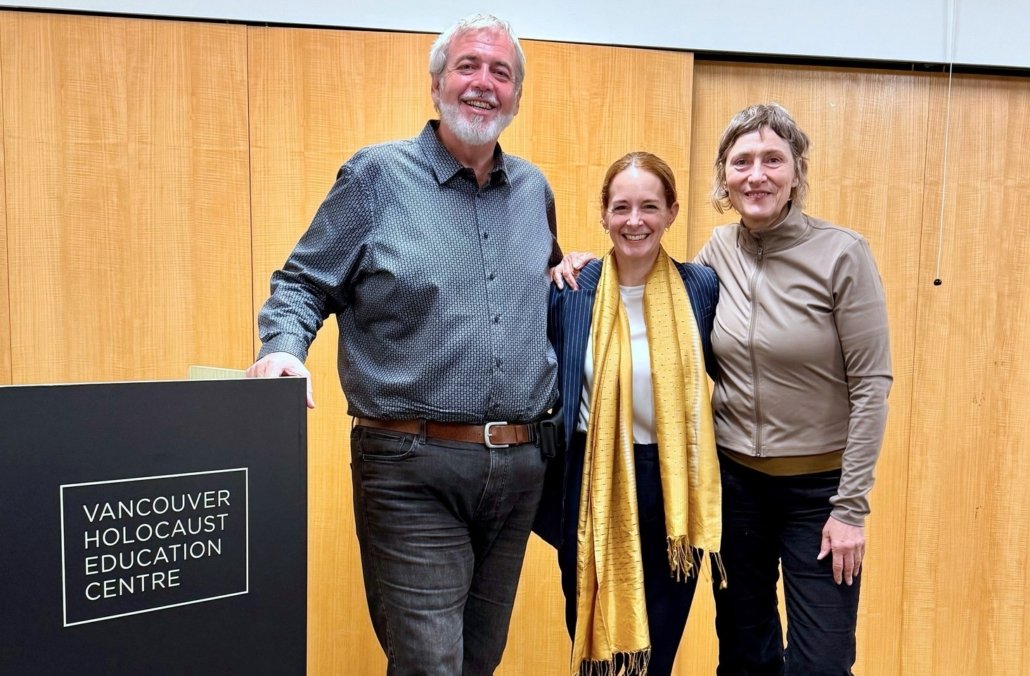
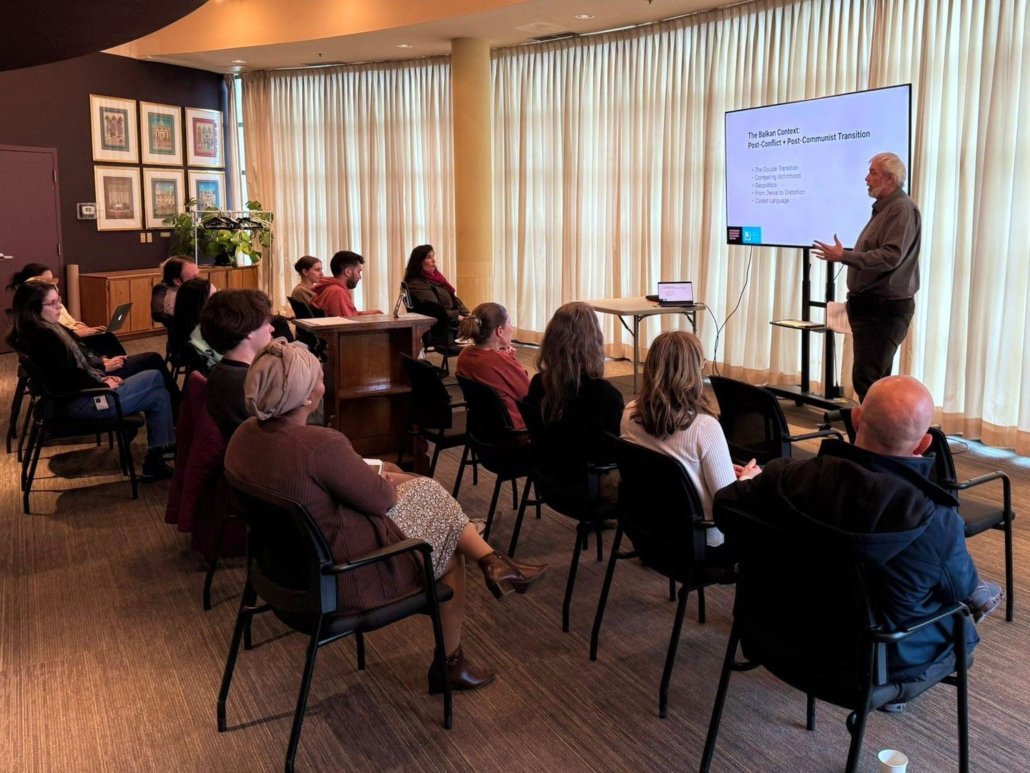
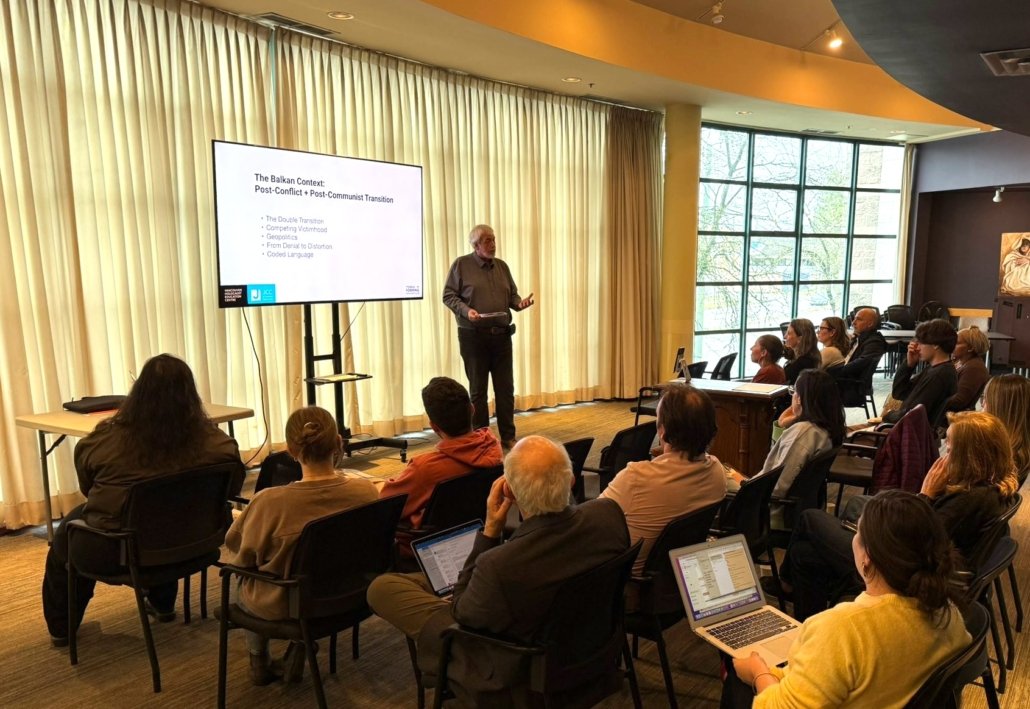
Miško Stanišić delivered his second presentation at the Jewish Community Centre of Greater Vancouver (Jewish Community Centre of Greater Vancouver JCCGV), an institution of Vancouver’s Jewish community. The Jewish community in Vancouver numbers around 25,000, and around 35,000 in British Columbia, while approximately 400,000 Jews live across Canada, making up about 1% of Canada’s population. Miško’s lecture, titled “Antisemitism in Transition: Perspectives from Serbia and the Post-Conflict Balkans”, drew JCCGV board members, staff, and visitors to the Jewish Community Centre. Miško spoke about recognizing regional variations of contemporary antisemitism, the specific nature of this challenge in Southeast Europe, and why understanding regional specificities of antisemitism is also relevant in Canada. In that context, Serbia—which has undergone a dual transition, from communist to democratic governance and from armed conflict and violence to a post-conflict society—has not fully completed either of these processes.

In his presentation, Miško analyzed specific characteristics of Serbian society in the context of antisemitism, emphasizing that an authoritarian regime, lack of the rule of law, and the absence of media freedoms create an environment in which it is difficult to address hate speech institutionally. At the same time, the authorities use populist nationalism, the spread of fear, and the maintenance of a state of constant social paranoia as key tools—directly facilitating the development of conspiracy theories that are historically deeply connected to antisemitic patterns.

Also characteristic of Serbia is the phenomenon of denying the existence of antisemitism in our society, which is entirely nonsensical in any European context, since antisemitism is deeply woven into the core of European cultural identity. There is no European society—including Serbian society—in which antisemitism does not manifest; the only question is how much, in what ways, and to what extent this hatred is part of the mainstream or remains on the margins. This refusal to speak about antisemitism in Serbia has, on the one hand, led to contemporary incidents being deliberately ignored and minimized, while on the other hand it has meant that sustainable, long-term strategies to counter antisemitism are not being developed.

In Serbia today, antisemitism is growing particularly on the left, but antisemitism driven by nationalism and the ideas of the classic far right is also present. A particular problem is that, as a result of rising institutional pressure on civil society and academia, independent initiatives to map and understand antisemitism are being endangered—initiatives that could otherwise offer evidence-based recommendations to decision-makers. Miško also spoke about the ABC of Antisemitism handbook, the UP2US project, and the motivations that led to the founding of the Centre for Combating Antisemitism and Intolerance in Novi Sad.

After the lecture, there was a Q&A with the audience. Several participants noted that they were particularly struck by how many of the problems they recognized in their own environment as well, demonstrating the extent to which antisemitism is a global phenomenon that manifests in not-so-different ways in places that are geographically very far apart, such as British Columbia on Canada’s Pacific west coast and Serbia in Southeast Europe.

Misko's presentation

Meeting with members of the VHEC Board and marking Yom HaShoah

Our exceptional hosts also organized meetings with leading figures of the Jewish community and members of the Board of the Vancouver Holocaust Education Centre. Among them were Ezra S. Shanken, Executive Director of The Greater Vancouver Jewish Federation, Jaime Stein, Director at the Friends of Simon Wiesenthal Center for Holocaust Studies, as well as the wonderful Shoshana Krell-Lewis and Simone Kallner, who promised to visit us in Serbia—we are holding them to it and look forward to it!

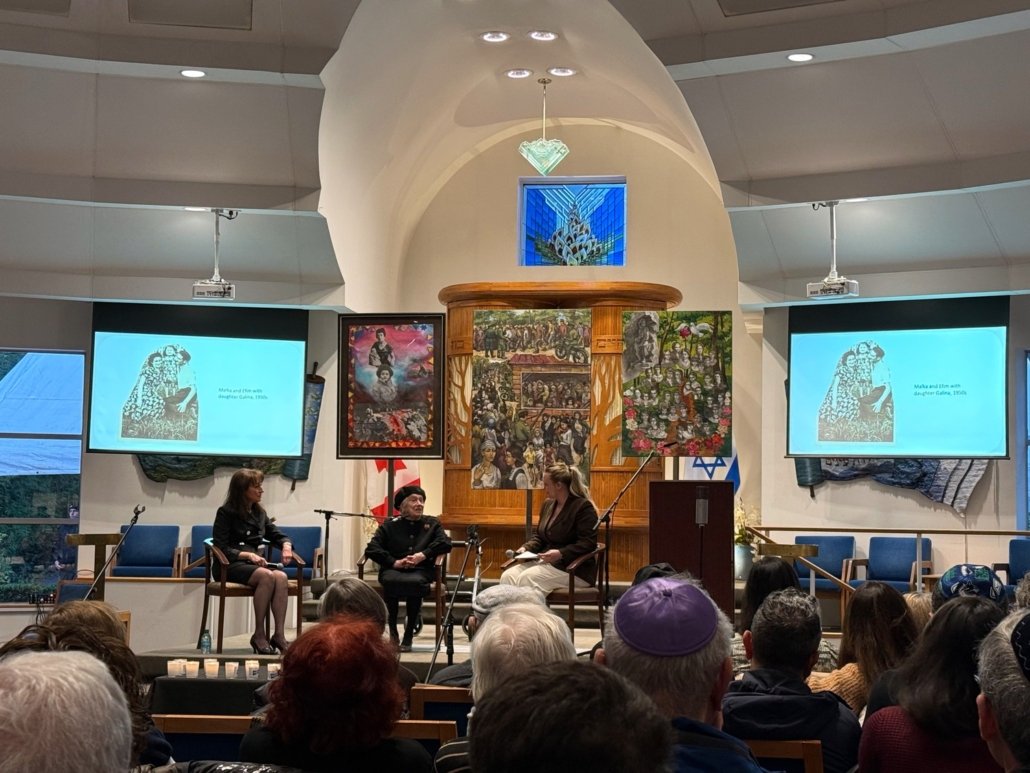
The evening of April 14 brought one of the most emotional moments of the entire visit—the commemoration of Yom HaShoah at Temple Sholom synagogue in Vancouver. Several hundred community members attended. The highlight of the evening was the appearance of twelve Holocaust survivors—women and men in advanced age—who, accompanied by their children, grandchildren, and even great-grandchildren, processed through the synagogue, conveying a powerful message: We survived despite everything! A particularly moving part of the evening was an interview with Malka Pischanitskaya, a survivor whose harrowing life story is captured in her memoirs A Mother to My Mother. Malka was born in Ukraine. When the Nazis occupied her hometown of Romaniv in 1941, she witnessed mass shootings of neighbors and family as a ten-year-old girl, but she and her mother managed to escape death. They spent the following year constantly on the run, hiding in forests, fields, and barns with no means of survival. As her mother was deeply traumatized by the horrors of war, their roles reversed: though still a child, Malka became the protector, leaving her mother hidden while she went alone to nearby villages to secure food. Malka survived despite everything. She emigrated to Canada in 1975 and has lived in Vancouver ever since. She works with the Vancouver Holocaust Education Centre (VHEC) and participates in the Centre’s educational programs. With VHEC’s support, the book “Majka mojoj majci” was also produced, documenting Malka’s experiences and survival during the Holocaust.

Visit to Hillel BC at the University of British Columbia

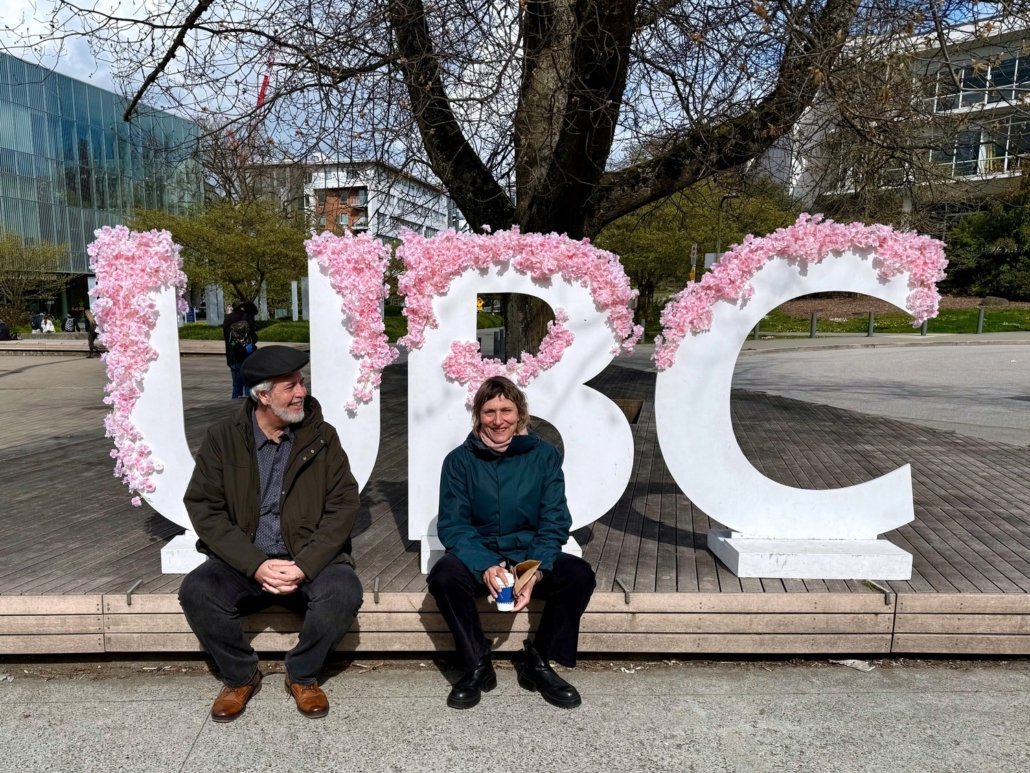
Miško and Nevena also visited the University of British Columbia (UBC) and the local Hillel centre. Hillel BC is a nonprofit organization dedicated to Jewish students at universities across the province of British Columbia, Canada. It is a regional branch of Hillel International, the world’s largest Jewish student organization, present at more than 850 colleges and universities globally. Hillel BC serves as a “home away from home” for students. They provide physical spaces (hubs) on campuses where students can gather, study, or relax. The organization enables students to stay connected to their Jewish identity, for example through shared celebrations of Shabbat and Jewish holidays; free meals and social events for students; or educational programs on Jewish history, culture, and tradition. In light of rising anti-Jewish tensions on university campuses, Hillel BC plays a key role in combating antisemitism on campus and provides legal, psychological, and institutional support to students facing discrimination, working closely with university administrations to ensure a safe environment for all.

Our host was Ohad Gavrieli, Executive Director of Hillel BC. Ohad leads programs for student engagement and Jewish life across British Columbia at the University of British Columbia, University of Victoria, Simon Fraser University, as well as at other colleges and higher-education campuses across British Columbia.

Miško and Nevena also had the opportunity to visit the renowned Museum of Anthropology at the University of British Columbia, which is physically connected to the university campus. Their host there was Zachary Mullen, a member of the education team at the Vancouver Holocaust Education Centre. Zachary recently graduated in History from the University of British Columbia (UBC) and works at VHEC on educational programs and public engagement initiatives. Through him, we were also able to hear impressions from the perspective of UBC students, as well as about the rich multicultural heritage of this region.

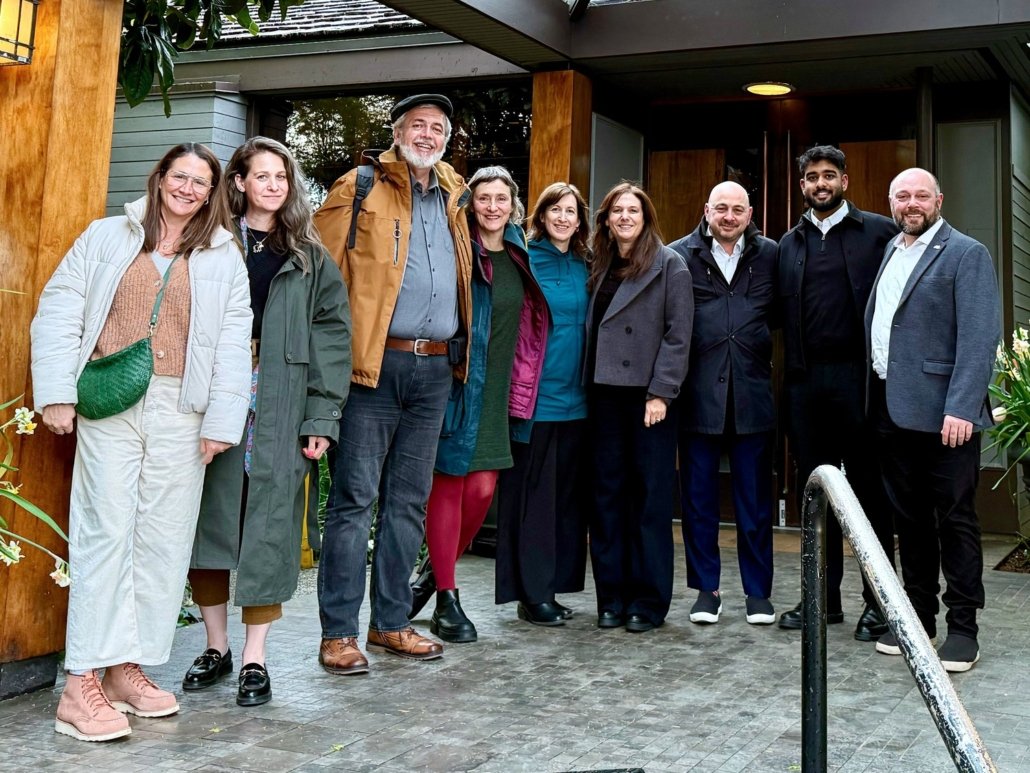
VHEC Board
Yom HaShoah
Hillel BC
Museum of Anthropology

Visit to the Parliament of British Columbia

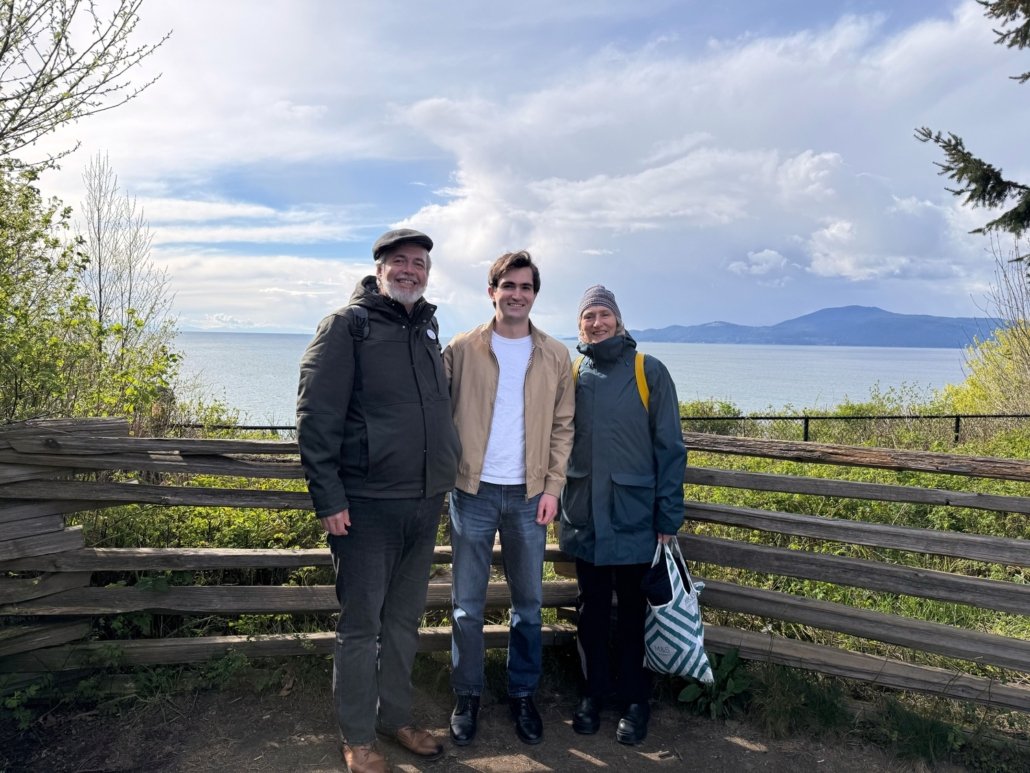
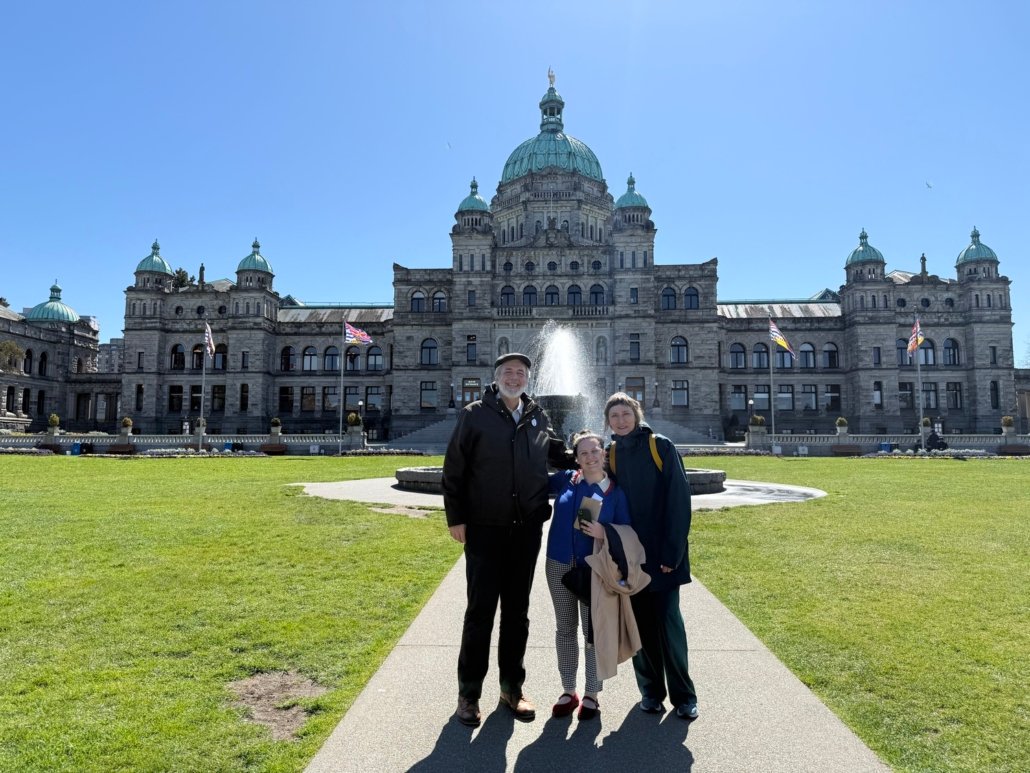
One of the most memorable experiences of the entire visit was the trip to Victoria, specifically the Parliament of British Columbia. Although Vancouver is the largest city and the economic centre of British Columbia, Victoria is the official capital and administrative hub of this Canadian province. It is located at the southern tip of Vancouver Island, situated southwest of the city of Vancouver and separated from it by a body of water, so Miško, Nevena, and Hannah Marazzi arrived in Victoria by seaplane.

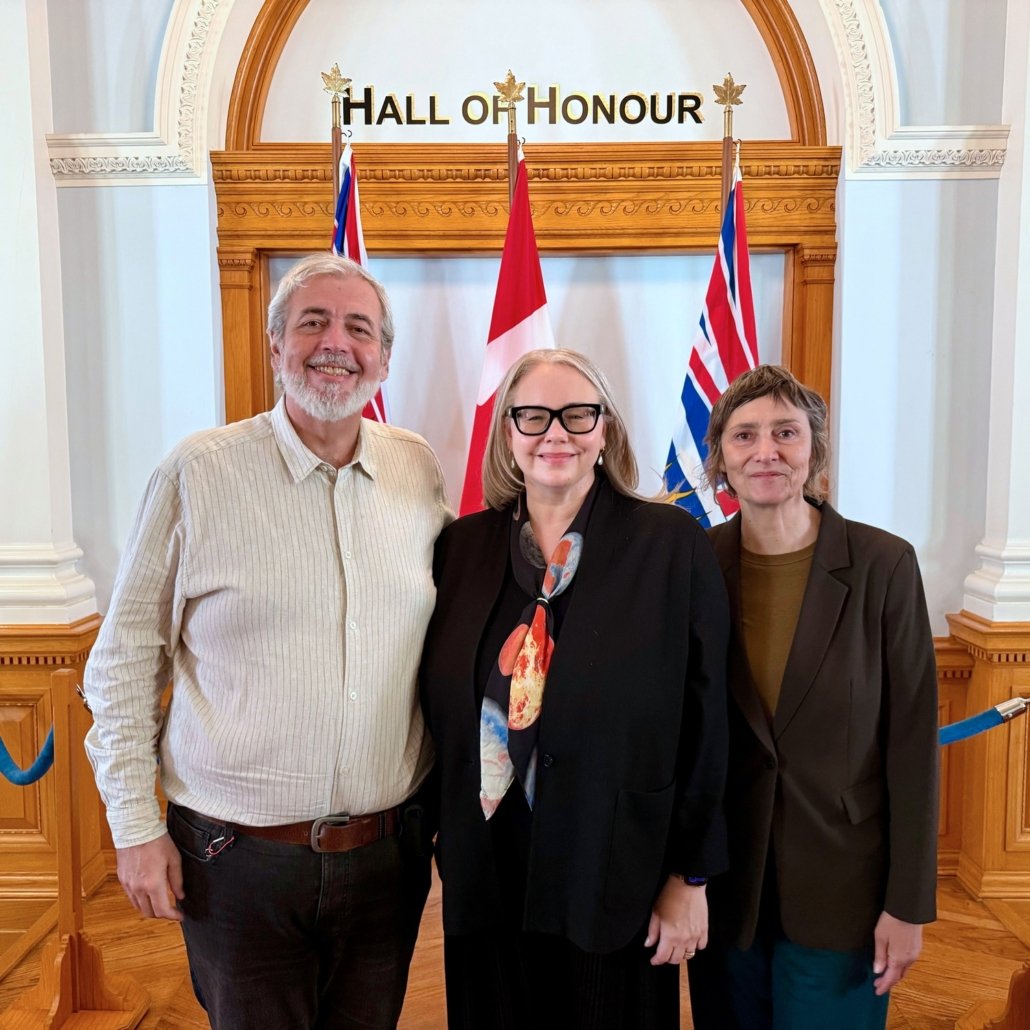
The Parliament of British Columbia, housed in a historic building in Victoria, functions as a unicameral legislature in which elected members pass laws and oversee the work of the provincial authorities. The executive branch is the government organized according to the Westminster model, where the premier and their cabinet of ministers manage provincial ministries and implement adopted policies. At the Parliament building, they were warmly welcomed by Nina Krieger, Minister of Public Safety and Solicitor General, a former member of the Canadian IHRA delegation and former Director of VHEC. Nina’s role in government is directly connected to her expertise and many years of work leading the Vancouver Holocaust Education Centre, where she gained experience in human rights and in combating antisemitism and racism. We spoke with Nina about deepening cooperation between institutions in British Columbia, the Vancouver Holocaust Education Centre, and Terraforming.

Long-term cooperation established

Throughout our stay in Vancouver, we had intensive, candid, and productive conversations with VHEC Executive Director Hannah Marazzi, occasionally joined by members of her team. This exchange laid strong foundations for future joint projects and long-term cooperation, recognizing the immense value of combining our experience and knowledge in the fields of Holocaust and Roma genocide memorialization and education, as well as the different strengths we each bring: Serbia offers authentic sites of life and persecution, a historical legacy of antifascism, but also a complex relationship with memory culture intertwined with politicization and nationalism; while Canada brings a perspective shaped by its role in the liberation of Europe from Nazism, the reception of Holocaust survivors who emigrated to Canada, a large Jewish community and still a significant number of survivors, as well as the challenges of safeguarding democratic values and curbing antisemitism and racism.

Nina Krieger, Misko and Nevena
Victoria, BC

Toronto: The Azrieli Foundation and the Holocaust Museum

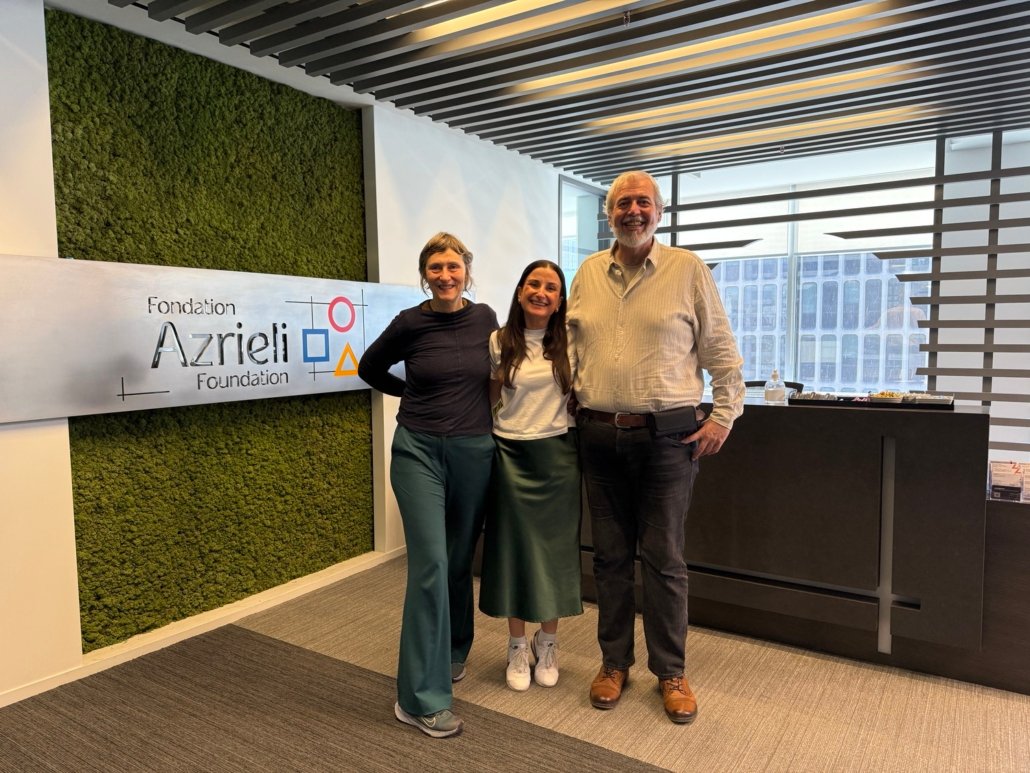
The final segment of this study visit took place in Toronto. Miško and Nevena met with Jody Spiegel Fegelman, Director of the Azrieli Holocaust Survivor Memoirs program and a member of the Canadian IHRA delegation. The Azrieli Foundation is Canada’s largest non-corporate public philanthropic foundation. It was founded in 1989 by David J. Azrieli, a successful Canadian-Israeli businessman, architect, and Holocaust survivor, with the aim of supporting education, science, and social inclusion. The Azrieli Foundation is a major philanthropic organization that funds and delivers key programs in Holocaust education, advanced medical research, and social inclusion. Through strategic donations, awards, and scholarships, the Foundation actively supports scientific and academic excellence, healthcare development, and the preservation of historical memory in Canada and Israel.

We spoke with Jody about establishing concrete cooperation on developing a guide for implementing the IHRA recommendations on teaching and learning about the Holocaust, modeled on “First Step.” “First Step” is a guide for teachers of all subjects who plan to teach students aged twelve and older about the Holocaust, developed by the Azrieli Foundation. This handbook offers essential foundational concepts and methodologies, providing useful guidance both for educators encountering this difficult topic for the first time and for experienced teachers who wish to reassess and improve their practice. It is based on the IHRA recommendations on teaching and learning about the Holocaust. Since these recommendations have not been specifically promoted in Serbia by the relevant ministries, it has largely fallen to civil society to do so—something Terraforming has primarily undertaken in recent years. For that reason, supporting tools such as the “First Step” handbook are an extremely welcome form of assistance in this effort. We also proposed creating a “First Step” dedicated to teaching and learning about the genocide of the Roma.

Toronto Holocaust Museum

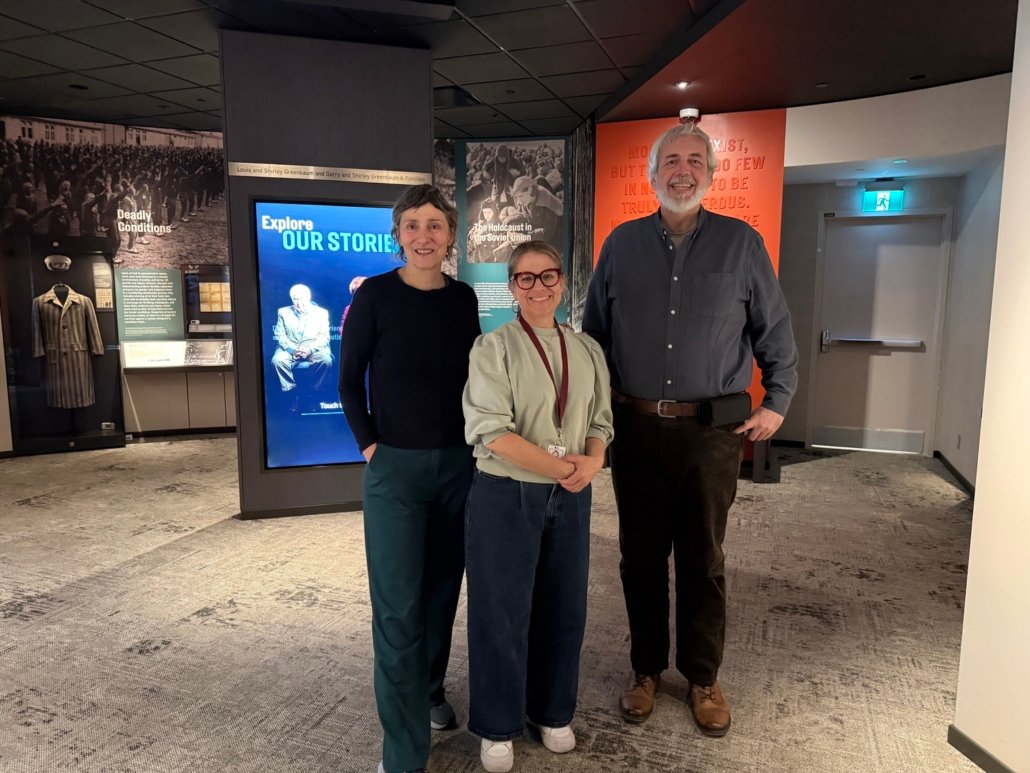
Our stay in Toronto was further enriched by a visit to the new Toronto Holocaust Museum. We were impressed by an exhibition that, on the one hand, is entirely based on the testimonies of Holocaust survivors who brought their memories, documents, and objects with them when they emigrated to Canada; yet at the same time, each panel includes text that skillfully connects past events with Canadian society today, giving the exhibition a unique dimension of relevance, authenticity, and contemporaneity. Although the exhibition is dedicated to events from the past that took place far from Canada, the way this story is told through the authentic words of Canadians—Holocaust survivors—and how firmly it is anchored in the present through links to current societal challenges, makes visitors feel that this is a highly topical subject, close and grounded in the Canadian experience.

Strengthened friendship, knowledge exchange, and a foundation for long-term cooperation

This deeply inspiring visit is already showing results through the start of concrete cooperation between Terraforming and the Vancouver Holocaust Education Centre. This includes the development of educational material on the Holocaust through stories about football, aligned with current preparations for the upcoming FIFA World Cup, which will be played in part in Vancouver. In this material, Canadian audiences will be introduced to excerpts from Terraforming’s graphic novel about pre-war Novi Sad, the Hungarian occupation, and the Novi Sad Raid, focusing on young footballers from Vojvodina and Maccabi.

In addition, Hannah Marazzi kindly agreed to serve as a member of the International Steering Board of the Hilda Dajč International Digital Holocaust Memory Award (The Hilda Dajč International Digital Holocaust Memory Award International Steering Board), established on May 7 in Belgrade.

This is only the beginning!

Thank you very much!

Many thanks to dear Hannah Marazzi—we cannot find enough words to express how wonderful she is! Thank you as well to the VHEC team and all the wonderful people who, with respect and genuine willingness, wanted to listen to us, asked about our experiences with sincere interest, and shared their knowledge and advice with us wholeheartedly.

Once again, we must express our profound gratitude to the European Network for Combating Antisemitism (ENCATE) and the International Holocaust Remembrance Alliance (IHRA), who made this outstanding exchange program possible. This was one of the most significant professional development experiences of our careers.

Logos
Azrieli Foundation
Toronto Holocaust Museum
UBC