web analytics

From the Novi Sad Raid to the Liberation of Auschwitz

  • From the Novi Sad Raid to the Liberation of Auschwitz - how and why we remember?
  • From the Novi Sad Raid to the Liberation of Auschwitz - how and why we remember?
  • From the Novi Sad Raid to the Liberation of Auschwitz - how and why we remember?
  • From the Novi Sad Raid to the Liberation of Auschwitz - how and why we remember?
  • From the Novi Sad Raid to the Liberation of Auschwitz - how and why we remember?
  • From the Novi Sad Raid to the Liberation of Auschwitz - how and why we remember?

From the Novi Sad Raid to the Liberation of Auschwitz - how and why we remember?

23. January 2020, Novi Sad

Time: 23 January 2020, 3:00 p.m.

Place: Cultural Center Novi Sad

Address: Katolička porta 5, 21001 Novi Sad

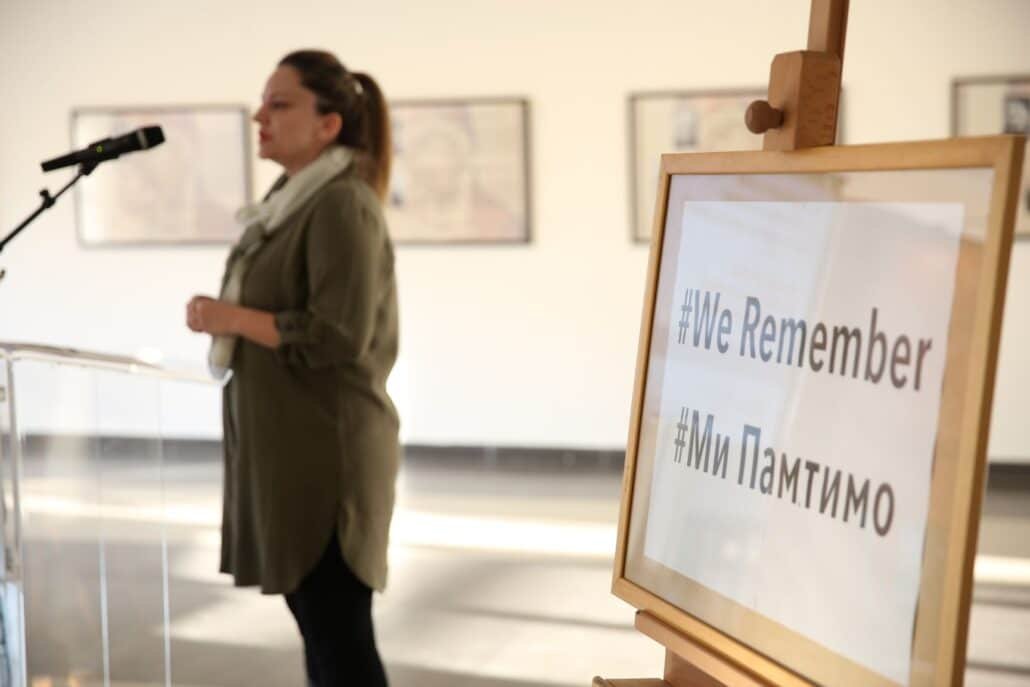
This international event, presentations and panel discussion with expert participants from Israel, Hungary and Serbia, co-organized by Terraforming, the Historical Archive of the City of Novi Sad and the Cultural Center of Novi Sad, is a contribution to commemoration of the Novi Sad Raid, the International Holocaust Remembrance Day and 75 years since liberation of Auschwitz, and part of broader efforts to enhance the remembrance culture in Serbia.

From the Novi Sad Raid to the Liberation of Auschwitz - how and why we remember?

Panel debate

Opening speeches

Participants in the program:

Olga Ungar Yad Vashem, Israel
Olga is Content Developer and Educator at Yad Vashem. She holds a PhD in Contemporary Jewry from Bar-Ilan University. Her current research examines the phenomenon of the erection of the Holocaust memorials in Jewish cemeteries by local Jewish communities in the immediate aftermath of World War II;

Zoltan Toth-Heinemann Holocaust Memorial Center in Budapest, Hungary
Zoltan is Communication Officer at Holocaust Memorial Center in Budapest, with long experience in education and managing training projects. He is member of the Hungarian Delegation to the International Holocaust Remembrance Alliance IHRA, and member of the IHRA Working Group for Memorials and Museums;

Petar Djurdjev Historical Archive of the City of Novi Sad, Serbia
Petar is Director of the Historical Archive of the City of Novi Sad, a historian and author. As a researcher, he mainly deals with topics from the local history of Novi Sad and the Sajkaska region. He has co-authored a number of historical exhibitions, published numerous articles and papers in various high-ranked journals and publications, and has been an expert advisor in tv documentary productions.

Misko Stanišić Terraforming, Serbia
Miško is Director of Terraforming NGO from Novi Sad, committed to promoting and improving teaching and learning about the Holocaust, while facilitating international project cooperation and exchange. He is member of the Serbian Delegation to the International Holocaust Remembrance Alliance IHRA, member of the IHRA Working Group for Education, as well as IHRA Project Group for Addressing Denial and Distortion of the Holocaust;

Opening words:

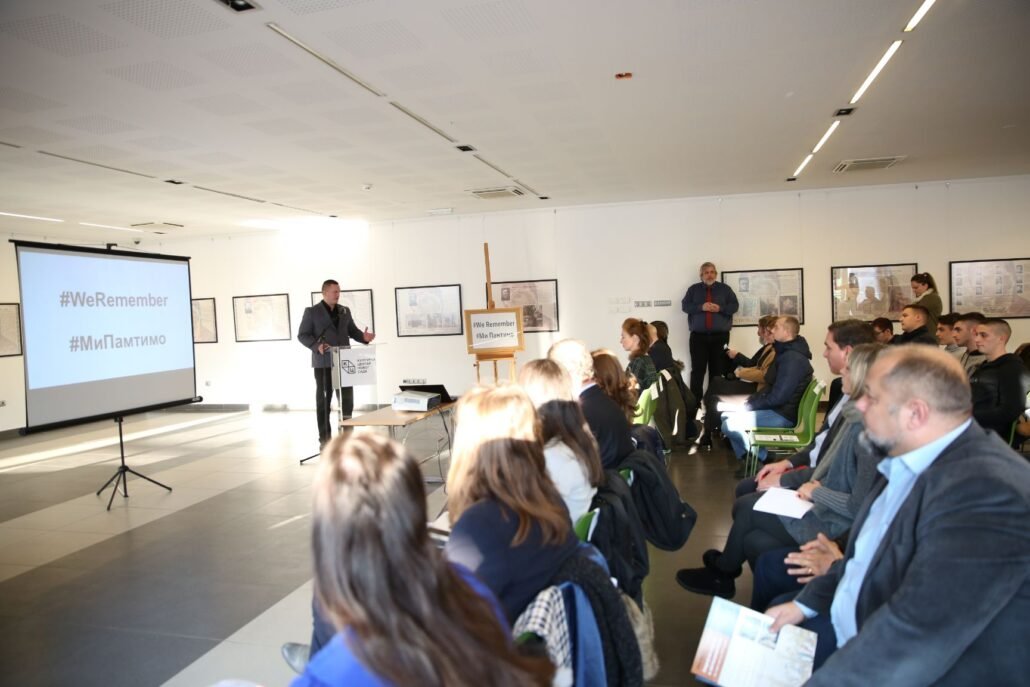
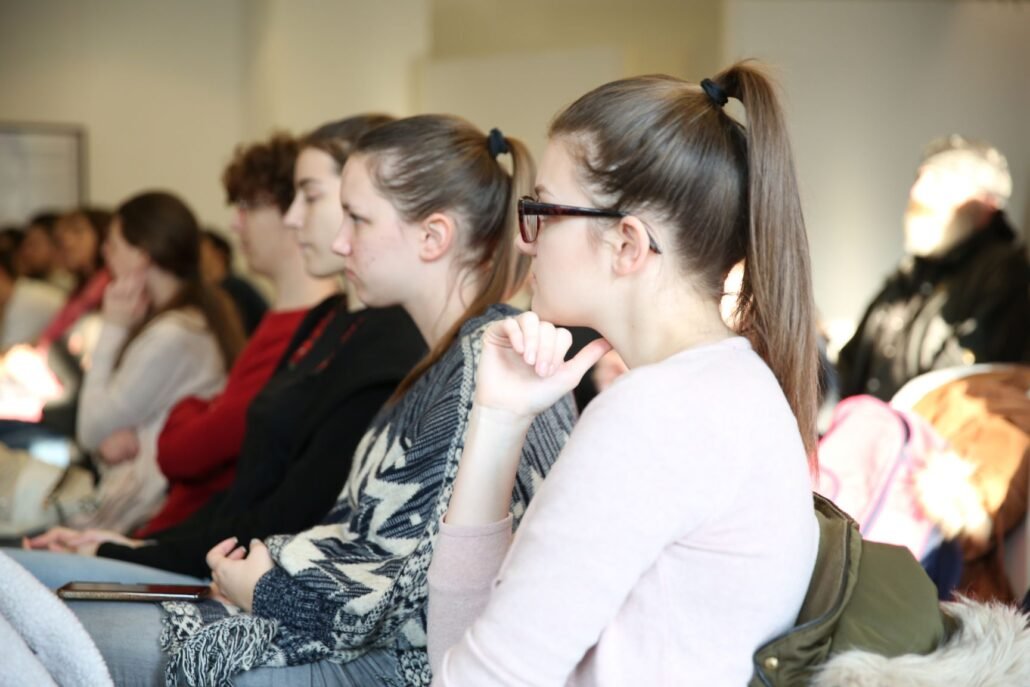
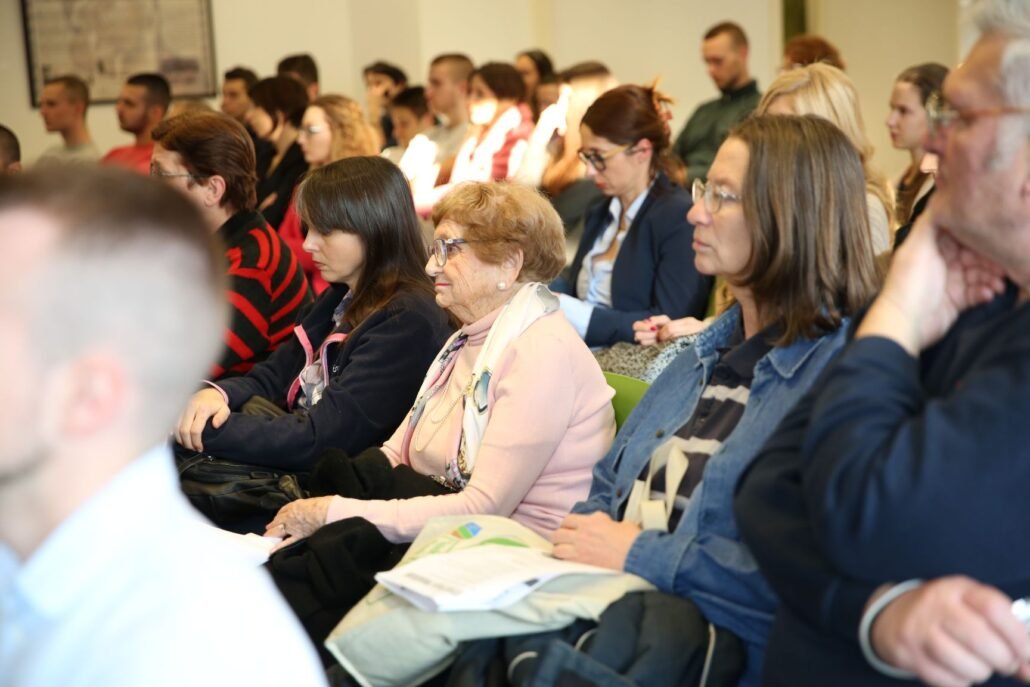
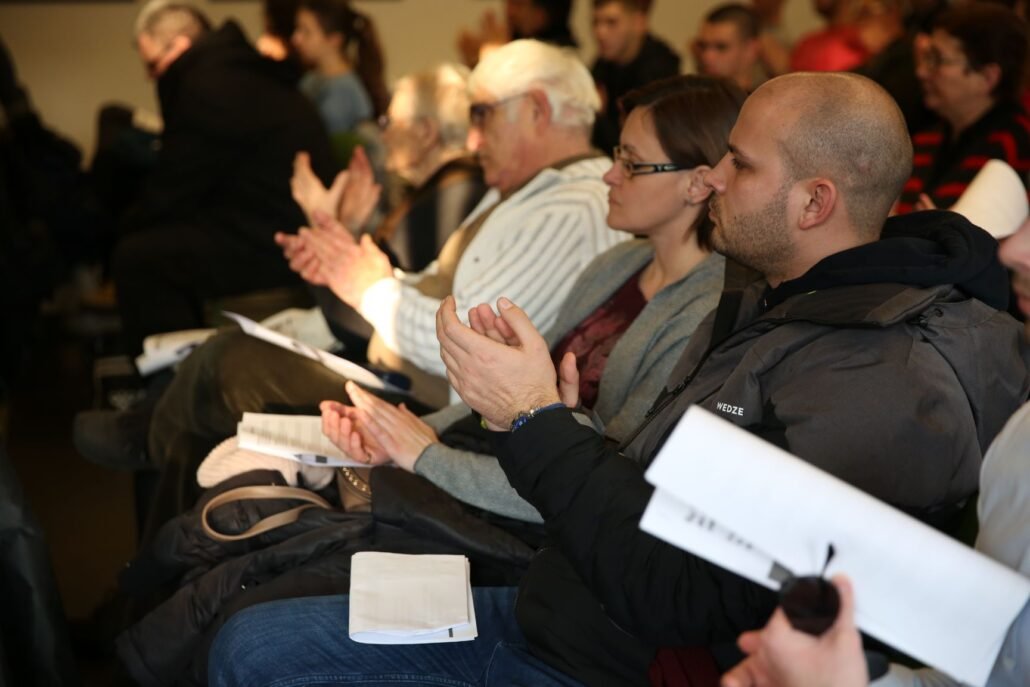
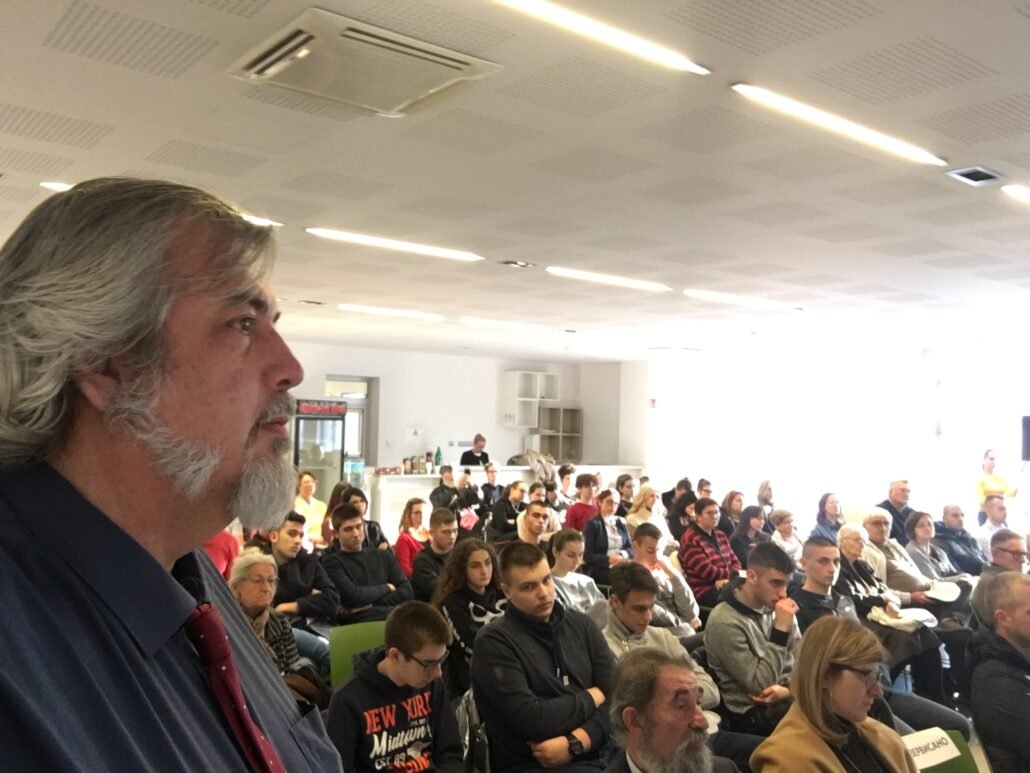
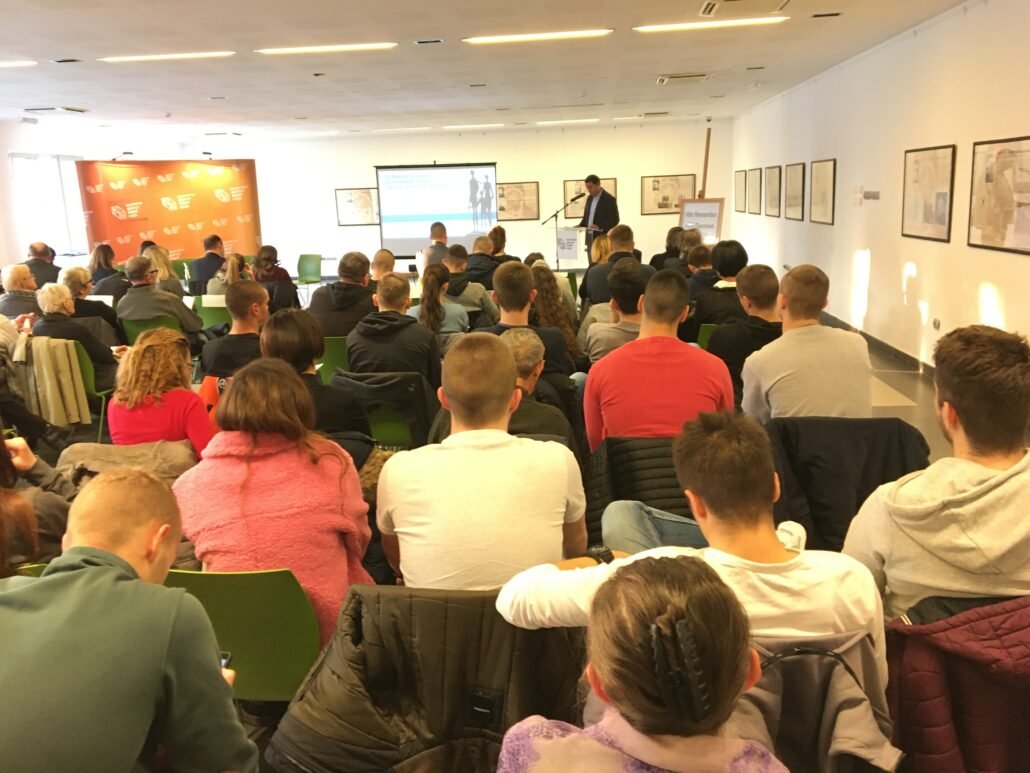
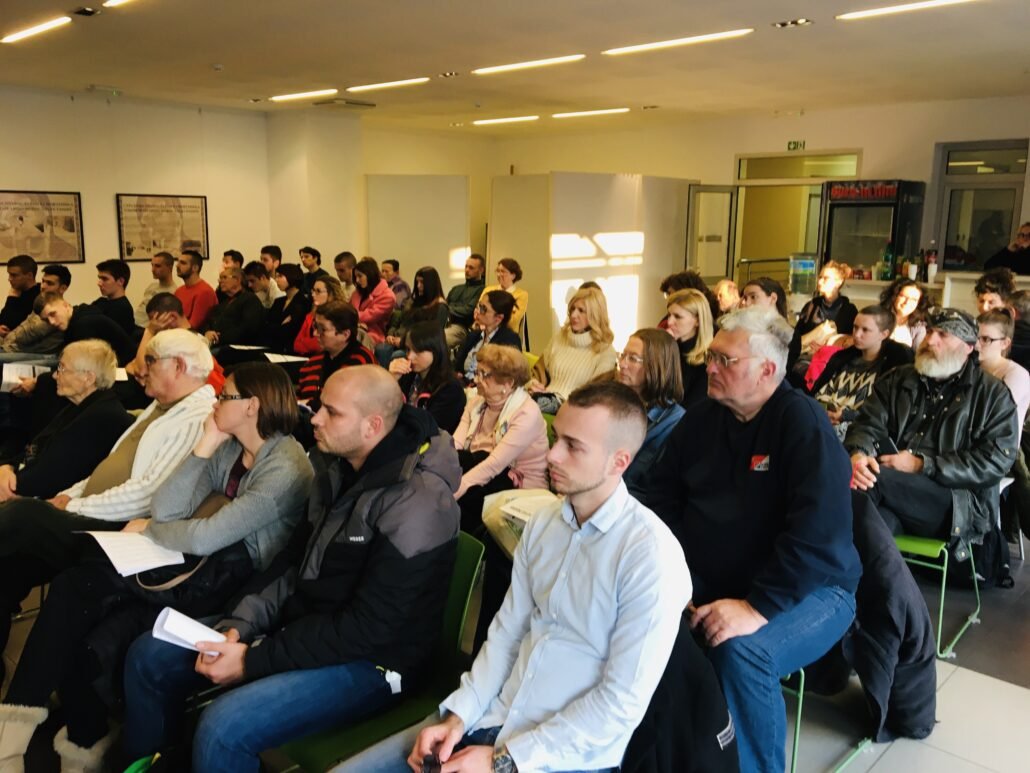
With over hundred citizens of Novi Sad in the audience, from high school students to Holocaust survivors, the event was a great success.

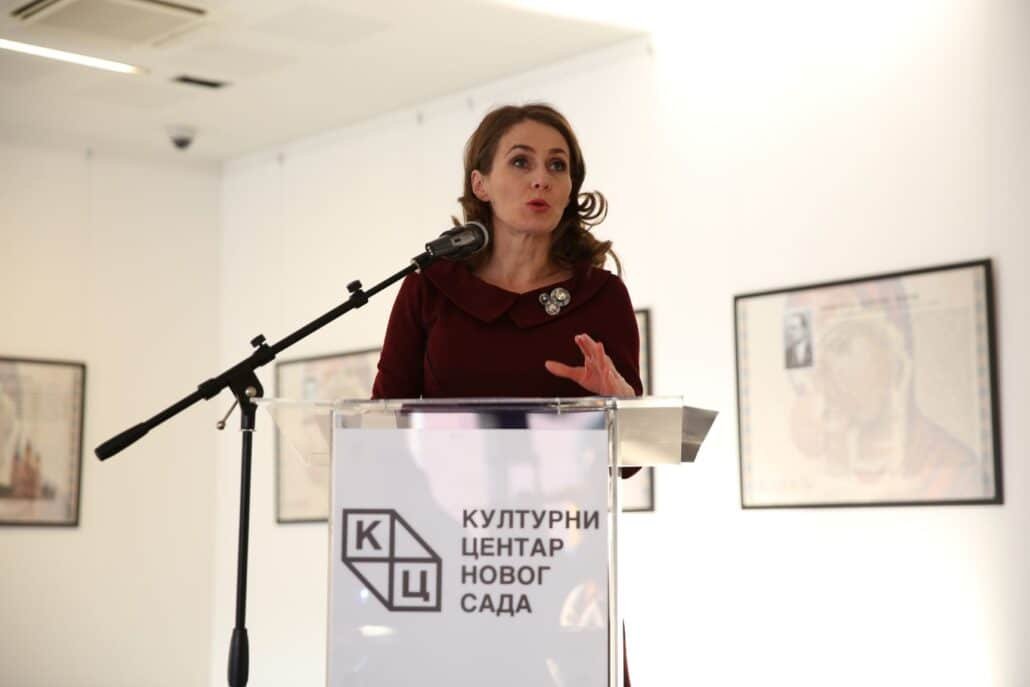
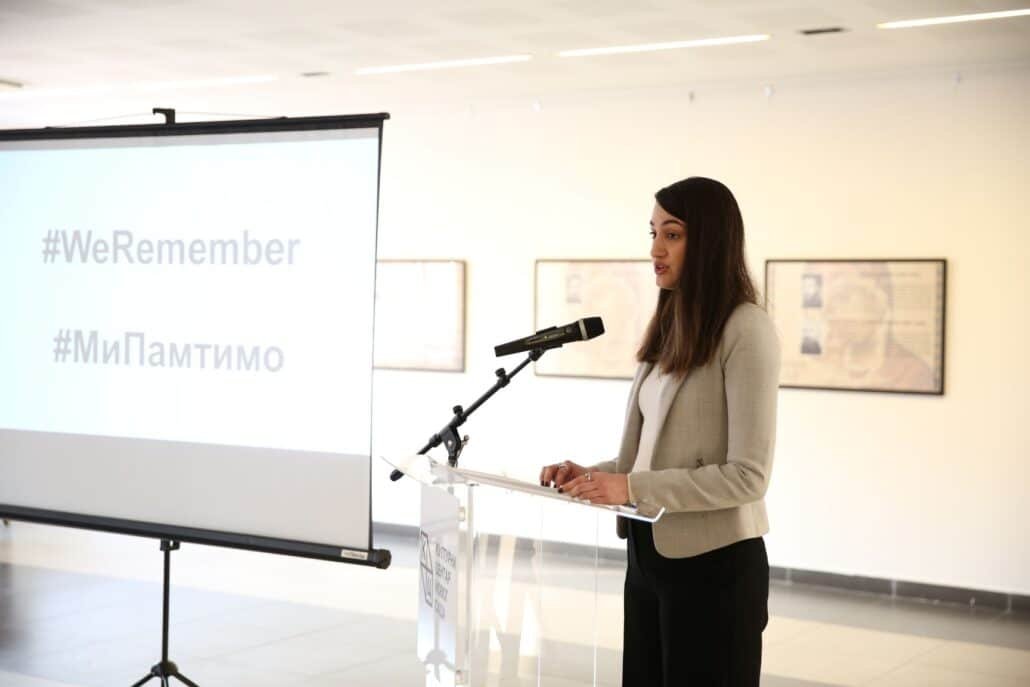
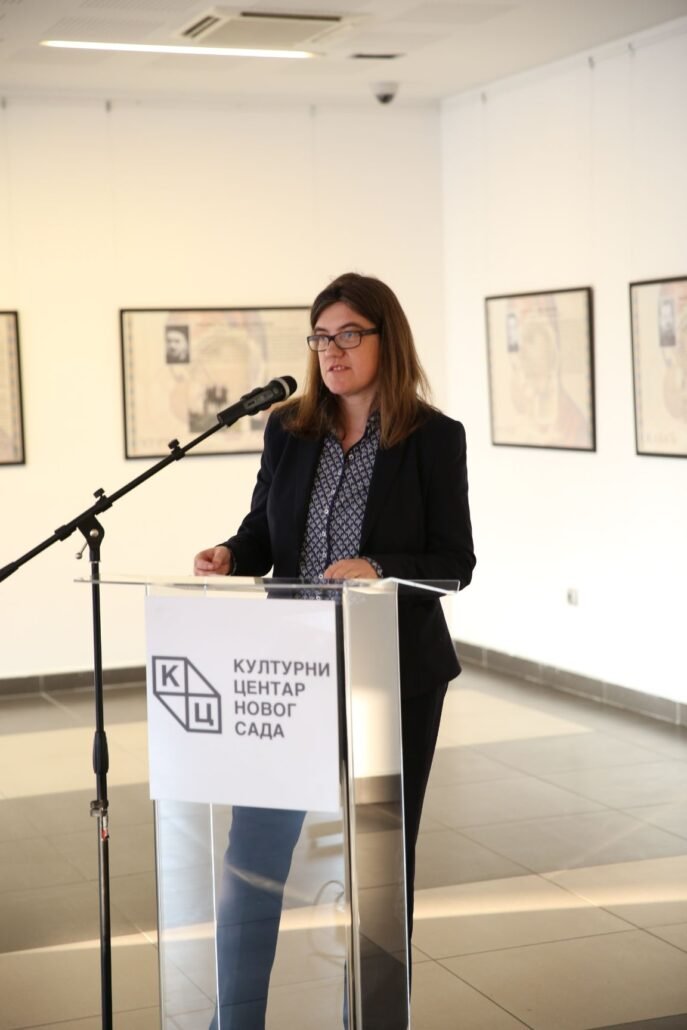
The event was opened with the speeches by Sunčica Marković, Deputy Director, Cultural Center Novi Sad, Ivan Siler, Deputy Mayor of Novi Sad, Brankica Janković, Commissioner for the Protection of Equality, Maayan Ben Tura, Deputy Chief of Mission, Embassy of Israel, Dorothea Gieselmann, Minister Counsellor, German Embassy in Belgrade and Aleksandar Tasic, Assistant Minister at the Ministry of Foreign Affairs of the Republic of Serbia and Head of Serbian delegation to the International Holocaust Remembrance Alliance IHRA. Program host is Misko Stanisic, Director of Terraforming. (see the video)

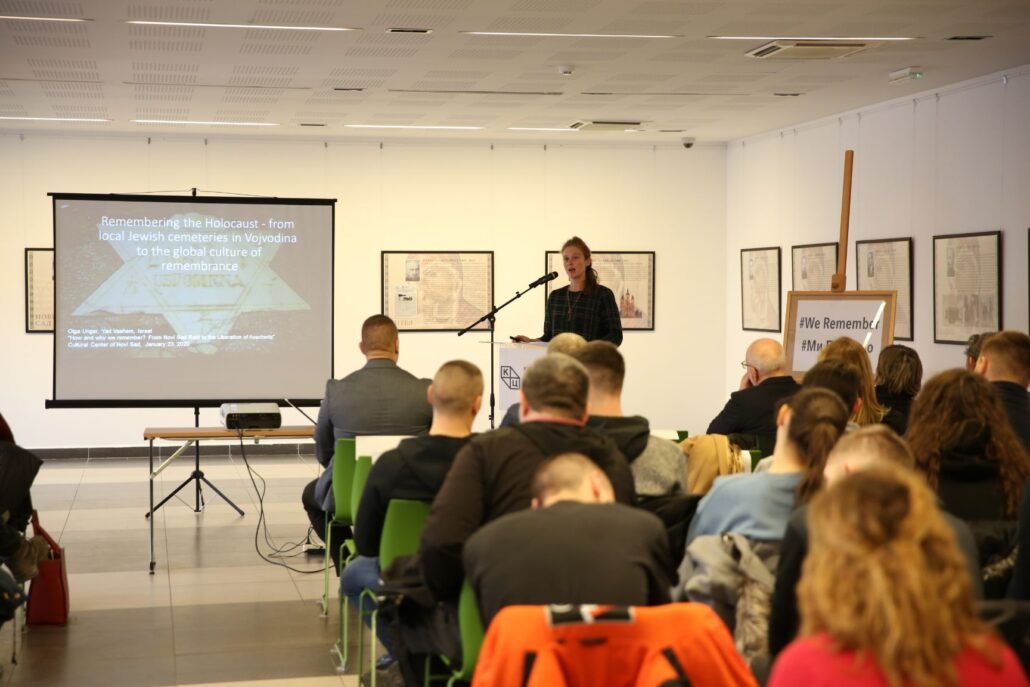
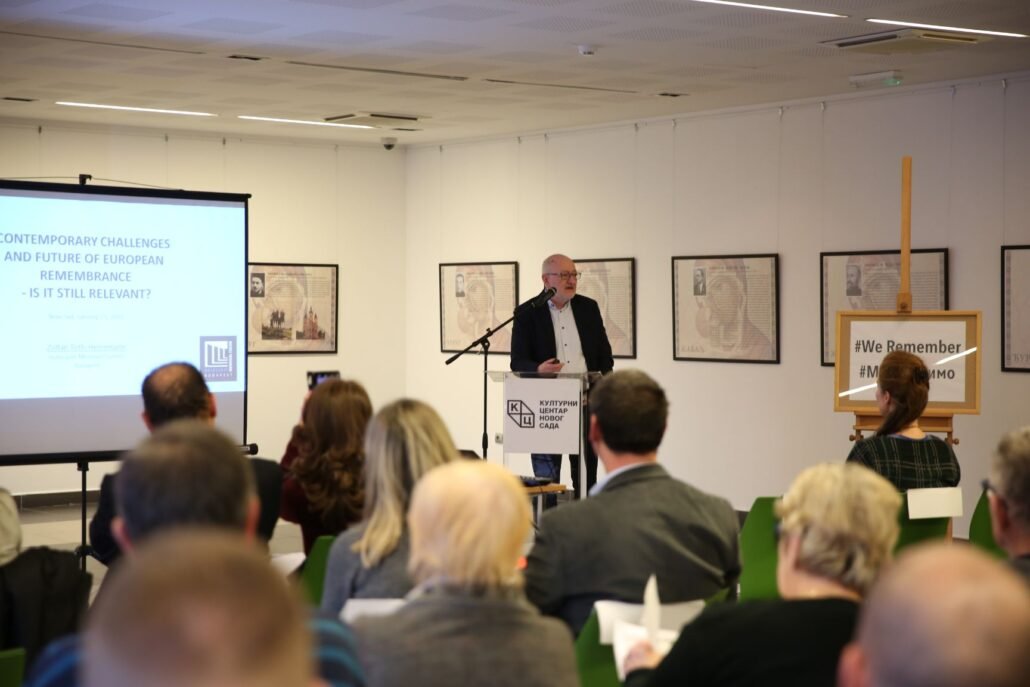
During the first part of the program Petar Djurdjev: presented the evolvement of the memorialisation of the Novi Sad Raid. Olga Ungar presented her research about Holocaust memorialisation on the local Jewish cemeteries In Vojvodina. Zoltan Toth-Heinemann spoke about remembrance in general, and in particular about the denial and distortion that are challenging the European remembrance.

At the end of the first part of the program, Miloš Janković red a very emotional poem from his new book of poetry about the Holocaust, a collection called Kaddish.

The final part of the program was the panel debate with Olga Ungar Yad Vashem, Israel; Zoltan Toth-Heinemann Holocaust Memorial Center in Budapest, Hungary and Petar Djurdjev Historical Archive of the City of Novi Sad, Serbia moderated by Misko Stanisic, Director of Terraforming. The participants spoke about the challenges we are facing today in safeguarding and preserving the memory of the Holocaust, and in particular the distortion of the history as one of the main problems. (see the video)

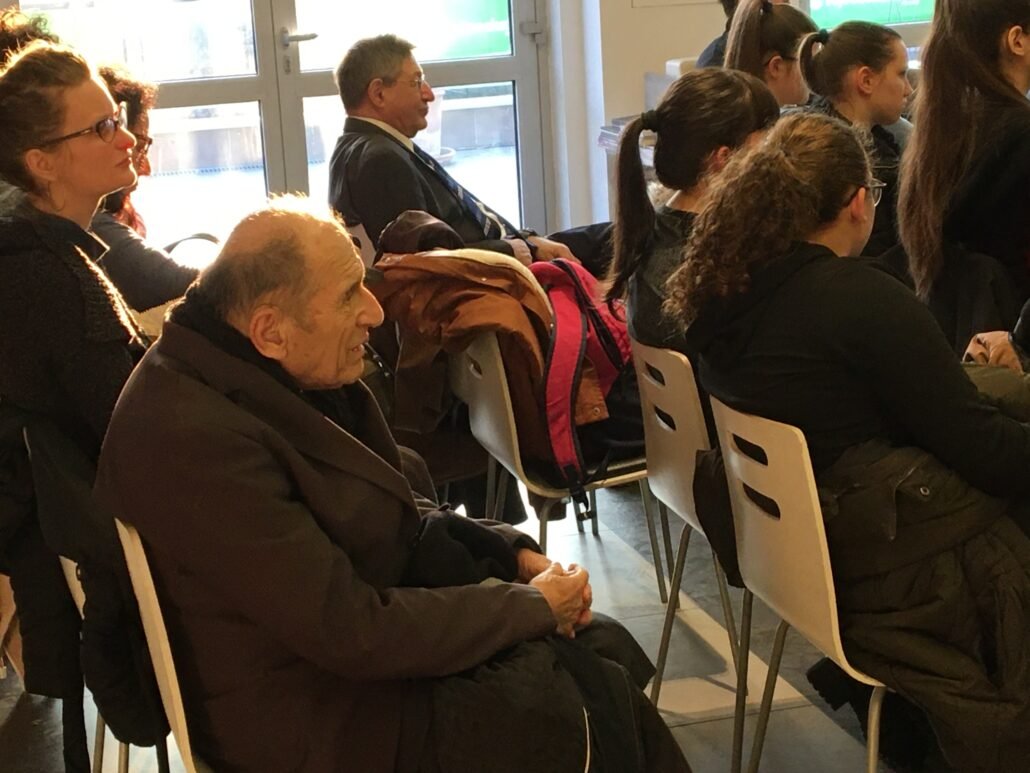
We were happy to see in the audience Professor MD Teodor Kovac. With 97 years of age he is one of the oldest Holocaust survivors in Serbia.

Cultural Center of Novi Sad

Cultural Center of Novi Sad has thrived from a fifty-year long tradition activism and is among the most eminent and important cultural institutions of interdisciplinary and multimedia character in Novi Sad and Vojvodina. Cultural Center of Novi Sad is the leading cultural institution in Novi Sad in the fields of promotion and development of film, theater, visual arts, literature, humanities and social studies, organization of various interdisciplinary and multimedia events, projects, happenings and international festivals.

KCNS

The Novi Sad Raid

The Novi Sad raid, also known as the Raid in southern Bačka, was a military operation carried out by the the armed forces of Hungary, during World War II, after occupation and annexation of Bačka region. From January 21st to January 23rd 1942 Hungarian fascists executed up to four thousand civilians in the streets of Novi Sad and on the bank of the Danube river, mostly Serbs (at least 2578) and Jews (at least 1068), but also Roma (at least 64). In memory of this event, in 1971 a bronze monument called “The Family” by sculptor Jovan Soldatović was put up by the Danube river.

Traditionally, the commemoration of the Novi Sad Raid is held on 23rd January by the Danube river, near the monument, and on the river bank.