web analytics

The Digital Transformation of Holocaust Remembrance

How We Bridge Grassroots Initiatives and High Tech

The Digital Transformation of Holocaust Remembrance, EMDS Eindhoven, 19.6.2026.

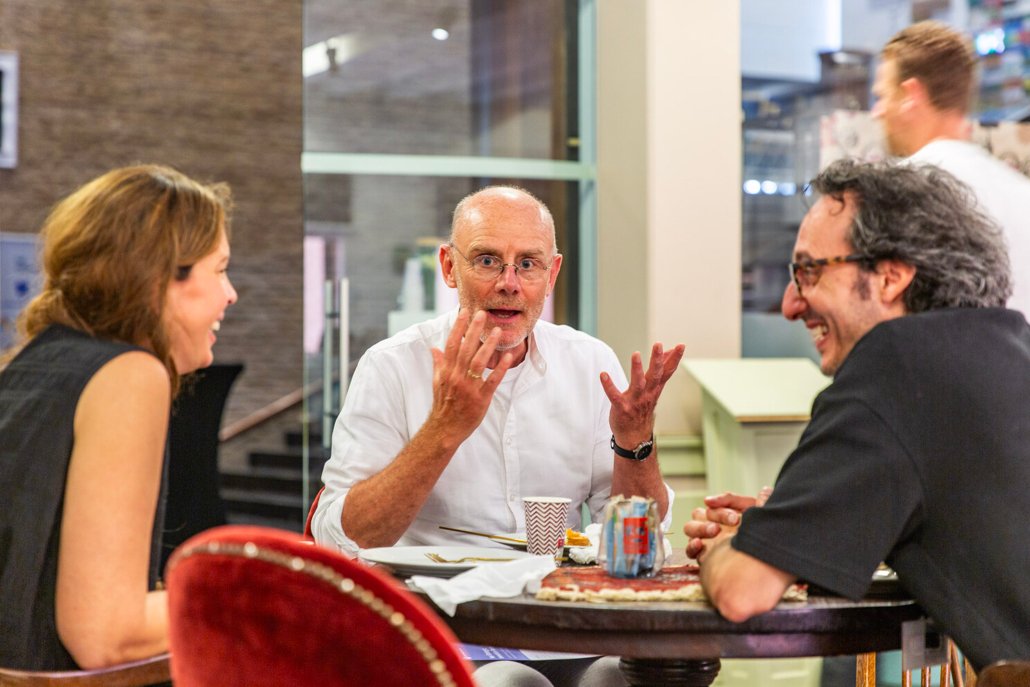
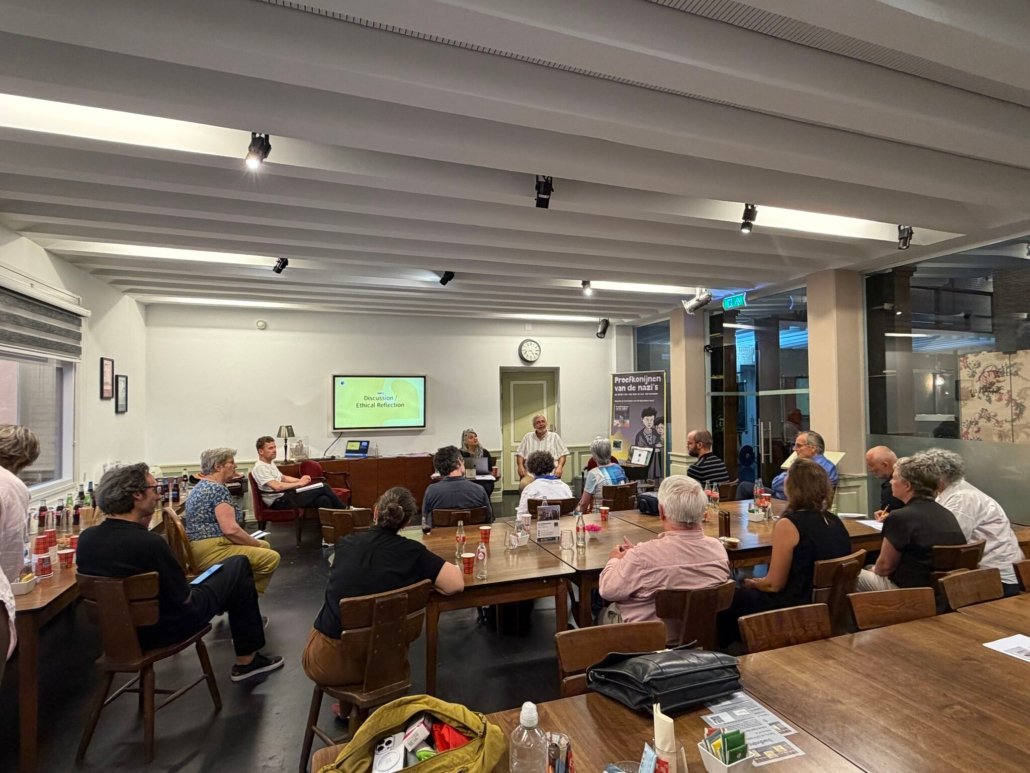
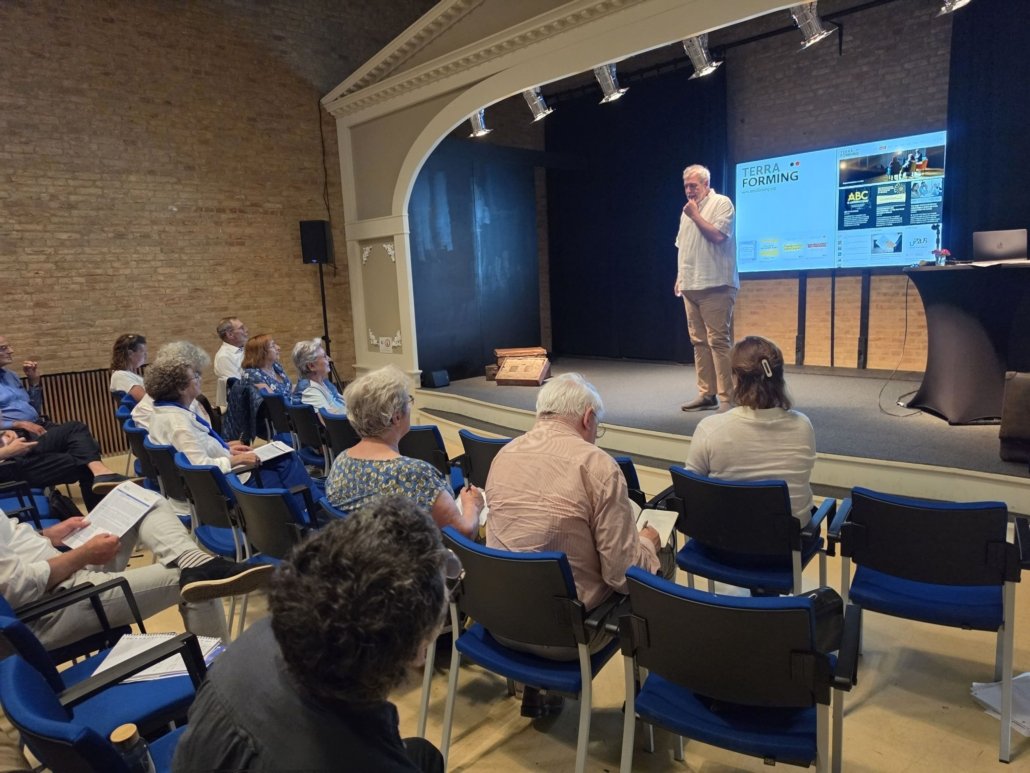
A small room, but big topics: On 19 June 2026, at the Hornemann House Foundation in Eindhoven, the Jewish Heritage Network (JHN) brought together 36 experts and activists from five European countries. The focus was on direct dialogue between grassroots volunteers, technical experts developing digital infrastructure, and specialists in the field of the culture of remembrance.
Tech Literacy in Service of Democracy

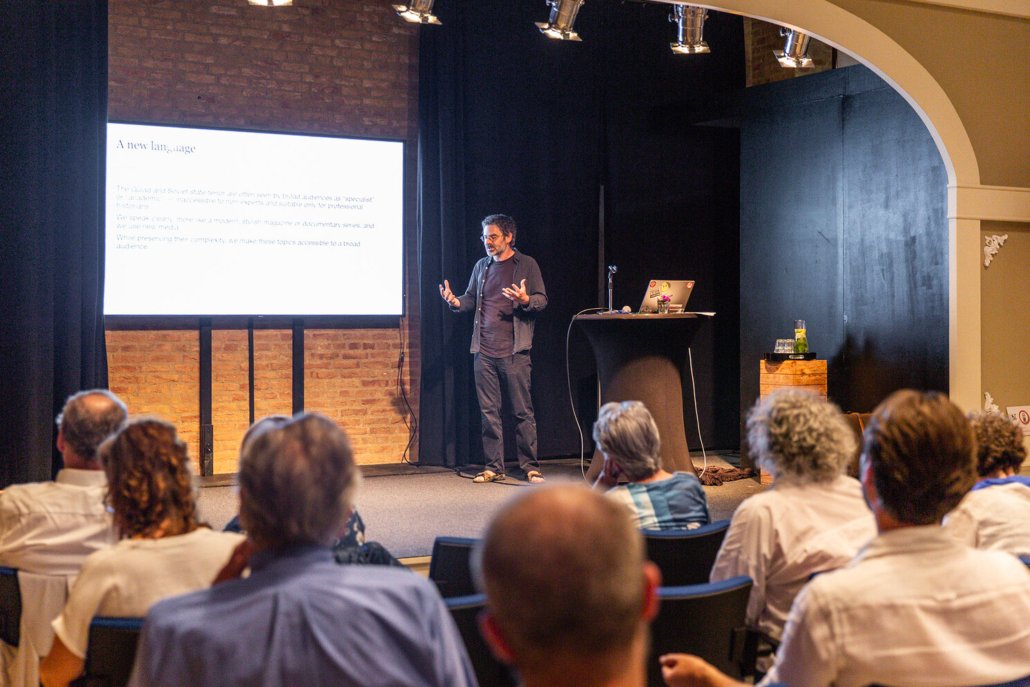
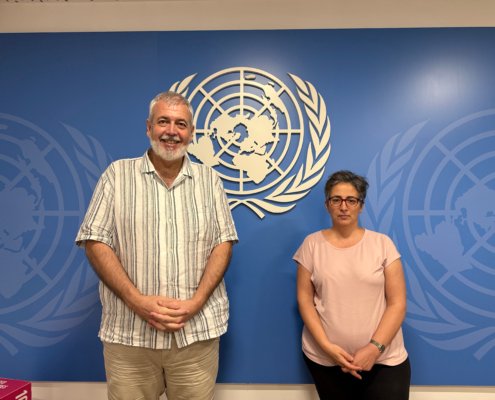
During the session dedicated to innovation, Terraforming Director Miško Stanišić presented the framework “EMDS: Creating a Trusted Ecosystem for Holocaust Education.” Stanišić emphasized that simply providing digital tools to students does not solve the problem:

“Today, historical facts directly collide with algorithms and deliberate manipulation. That is why we must weave media, digital, and AI literacy into the very foundation of history education. Preserving the culture of remembrance is, at its core, defending the rule of law and democratic values.”

The Digital Transformation of Holocaust Remembrance, EMDS Eindhoven, 19.6.2026.

From Personal Stories to Open Data Access

Participants presented impressive examples from the field:

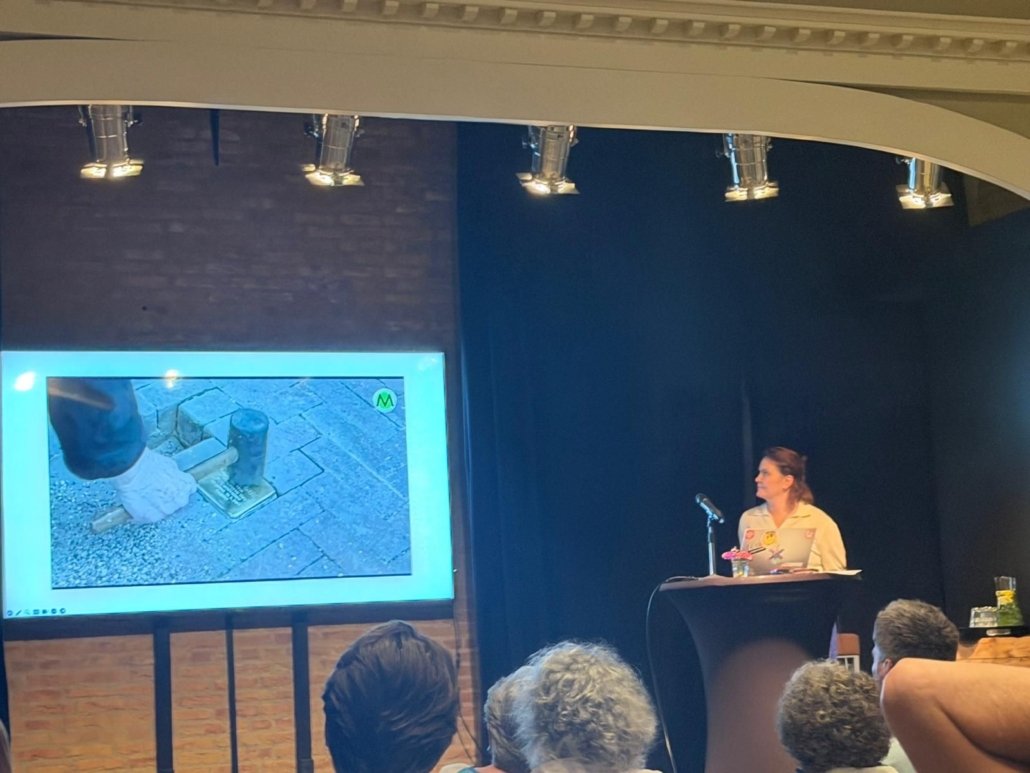
  • Schuilsteentjes: Marking the homes of people who risked their lives to provide shelter and refuge to their Jewish neighbors.
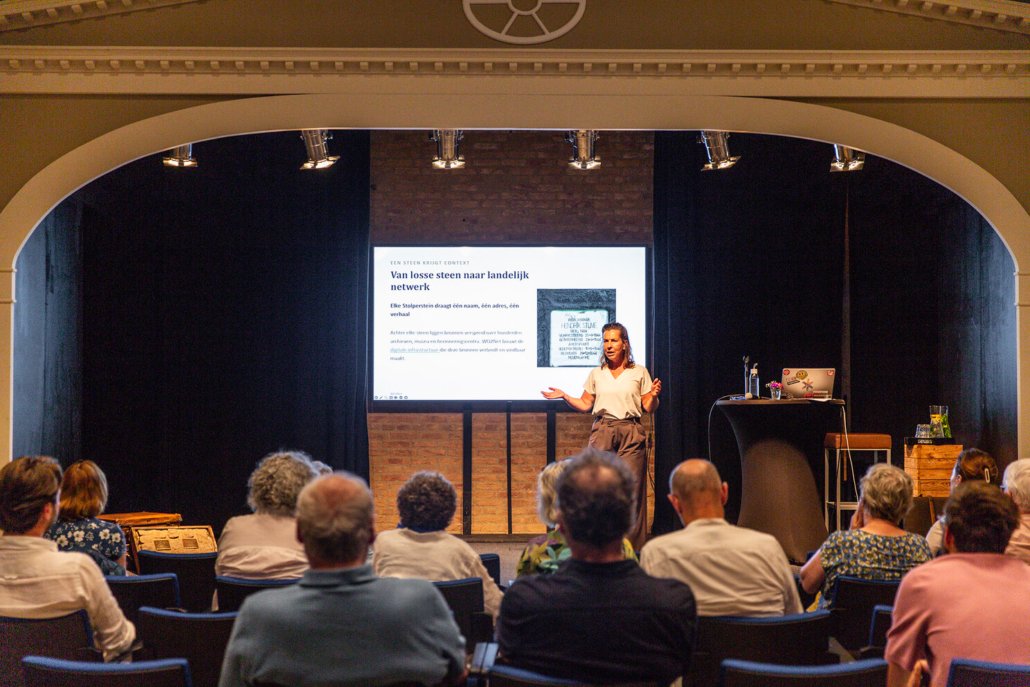
  • The Hague Stolpersteine Project: Jose Mendels leads an initiative to commemorate 1,216 murdered Jews through the placement of “stumbling stones,” digital routes, and community engagement.
  • Joods Groningen: Regina Philip demonstrates how a personal family archive grows into a public and structured heritage.
  • Monuments in Veghel and Zutphen: René Hildesheim and Michiel Schoenmakers practically demonstrate the transmission of memory to new generations and the mapping of volunteer knowledge through Linked Open Data technology.

Tech Innovations and Capacity Challenges

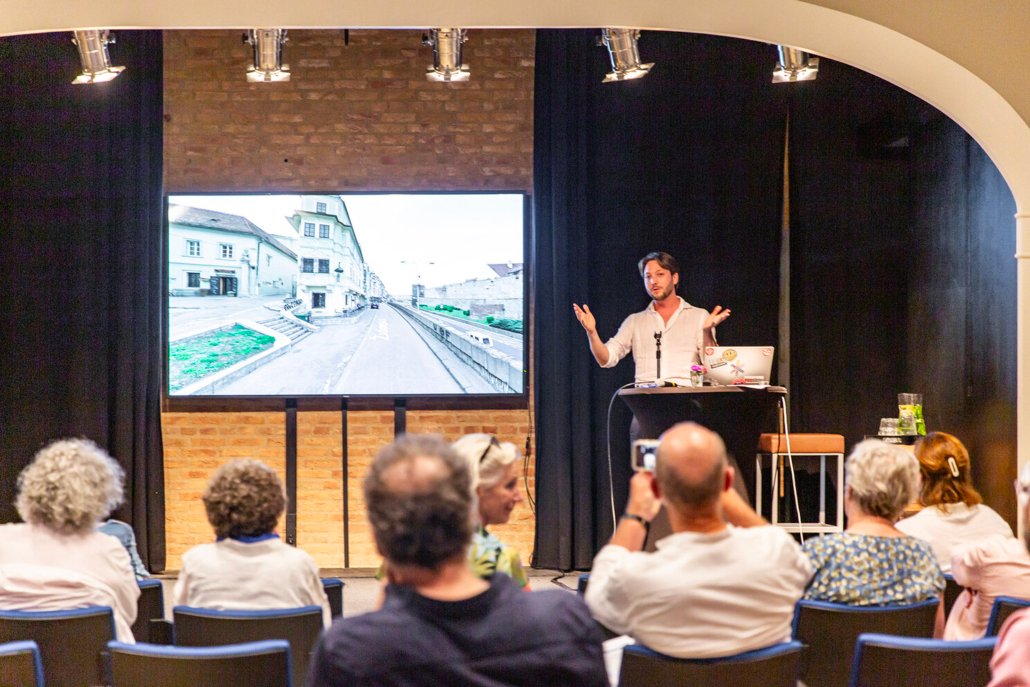
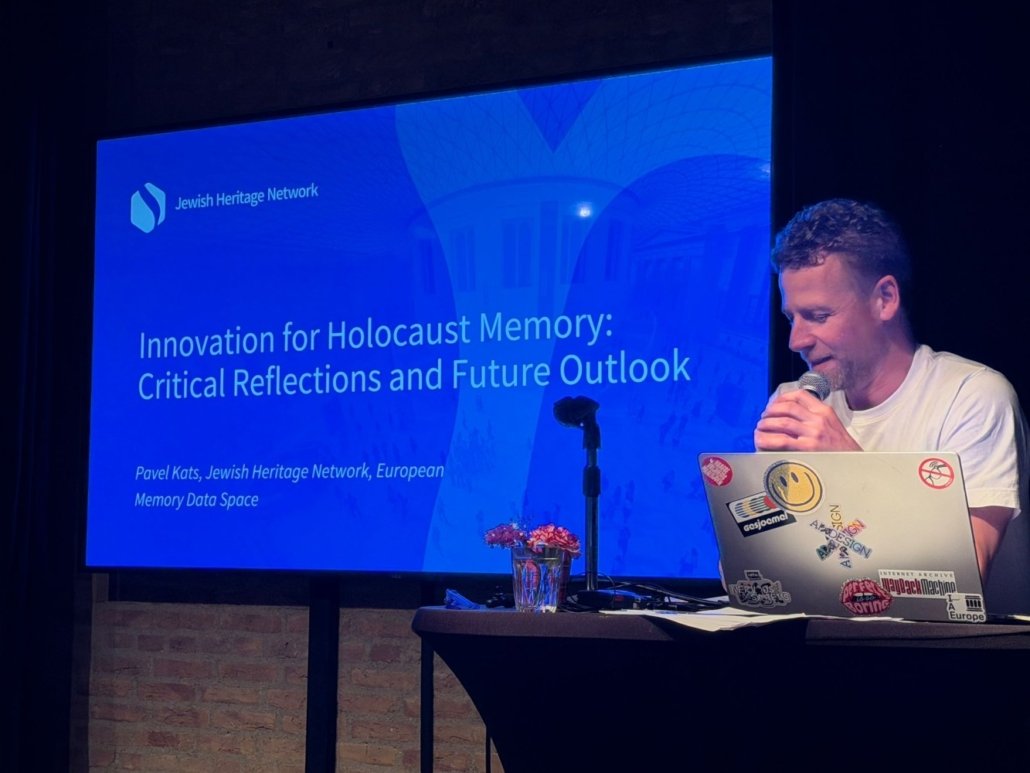
From the TimeLens app, which reconstructs destroyed Jewish quarters in 360 degrees, to the trilingual LANTERNA platform and projects like WO2Net and Unified Names, it is clear that immersive media and AI are no longer an experiment, but everyday practice. Pavel Kats presented key analyses on how these innovations impact the sector.

The biggest obstacle is not a lack of methodology or desire, but a capacity gap. Volunteer groups hold immense treasure, but lack sustainable financial and technical resources to put it online independently.

The Digital Transformation of Holocaust Remembrance, EMDS Eindhoven, 19.6.2026.

Next Steps and Three Key Goals

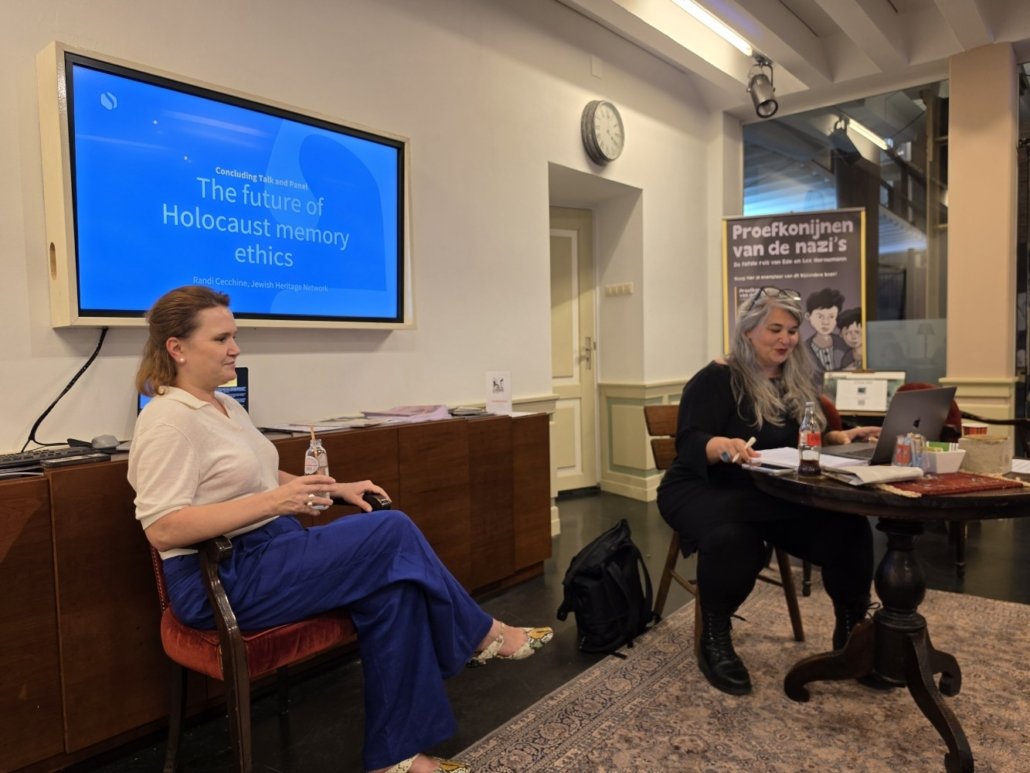
At the end of the day, the discussion was led by Randi Cecchine and Kris Petrasova. Tech ethics was defined as an ongoing dialogue, rather than a fixed set of rules. Consultations on the EMDS Blueprint yielded three clear goals for the coming period:

  • Accessible data models that enable easy sharing of materials without complicated institutional requirements.
  • Shared accuracy standards built in collaboration with the sector to prevent AI hallucinations and misinformation.
  • Expanding small, focused meeting formats to new regions to connect local and tech actors.

About the project

The project aims to develop a Blueprint for a future Data Space dedicated to the Holocaust. This European Common Data Space will enable structured data-sharing approaches and advanced technologies to enhance Holocaust remembrance. The project takes inspiration from the Stolpersteine (stumbling stones) – the largest decentralized Holocaust memorial in Europe – by creating a new virtual layer that connects personal data, documents, and stories with the memorialized individuals​.

Megaphone Megaphone More News

Connecting Stories: Migration as a Shared European HistoryTerraforming

Connecting Stories: Migration as a Shared European History

Connecting Stories is a free bilingual digital learning module created by Terraforming and the Arolsen Archives. Through four interactive chapters, young people in Serbia and Germany investigate interconnected histories of persecution, flight, labor migration and displacement—and consider questions of borders, belonging, assistance and individual responsibility.
Line of diverse people standing outdoors in a row, each holding a sunflower, beside a brick wall and greenery.

European Roma Holocaust Memorial Day at Topovske Šupe: Remembrance Must Lead to Action

On European Roma Holocaust Memorial Day, we gathered at Topovske Šupe in Belgrade, an authentic site of persecution and murder, to honour the Roma victims of the genocide. The commemoration renewed the urgent call to protect this neglected site and establish a permanent museum and educational centre.

Mail Mail Sign up for our newsletter