web analytics

Who Shapes Holocaust Remembrance — and Who Carries Responsibility?

Who Shapes Holocaust Remembrance — and Who Carries Responsibility?

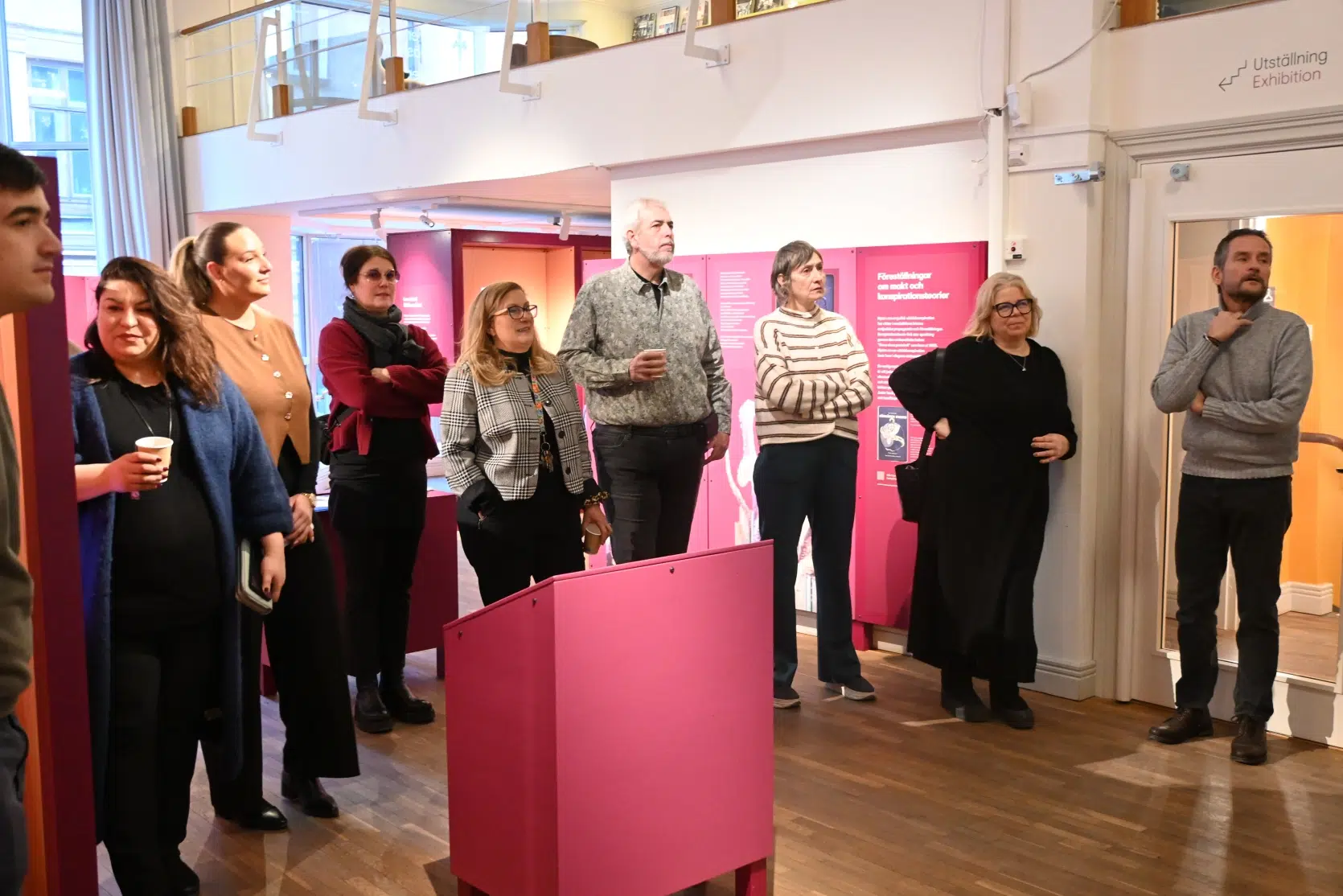
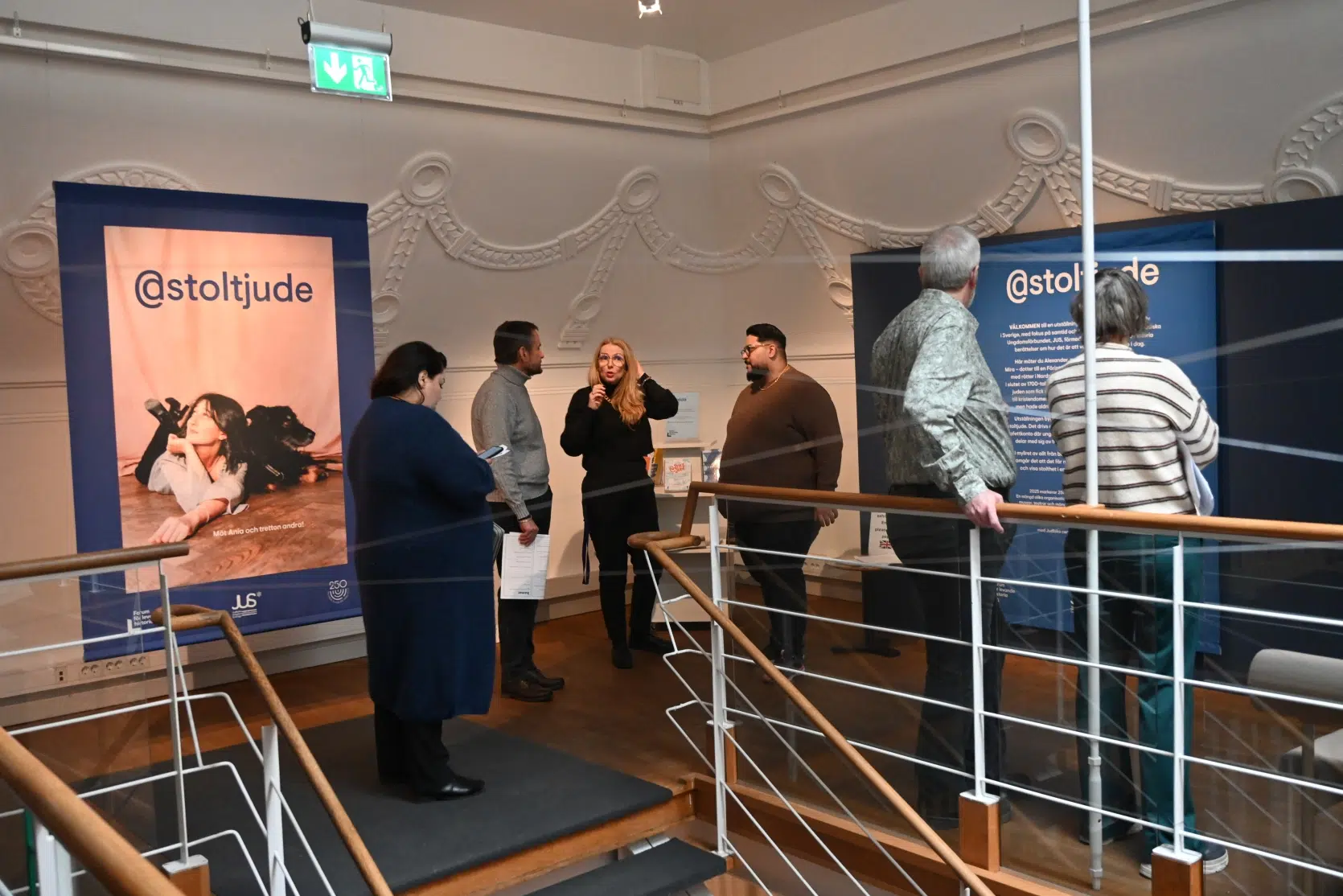
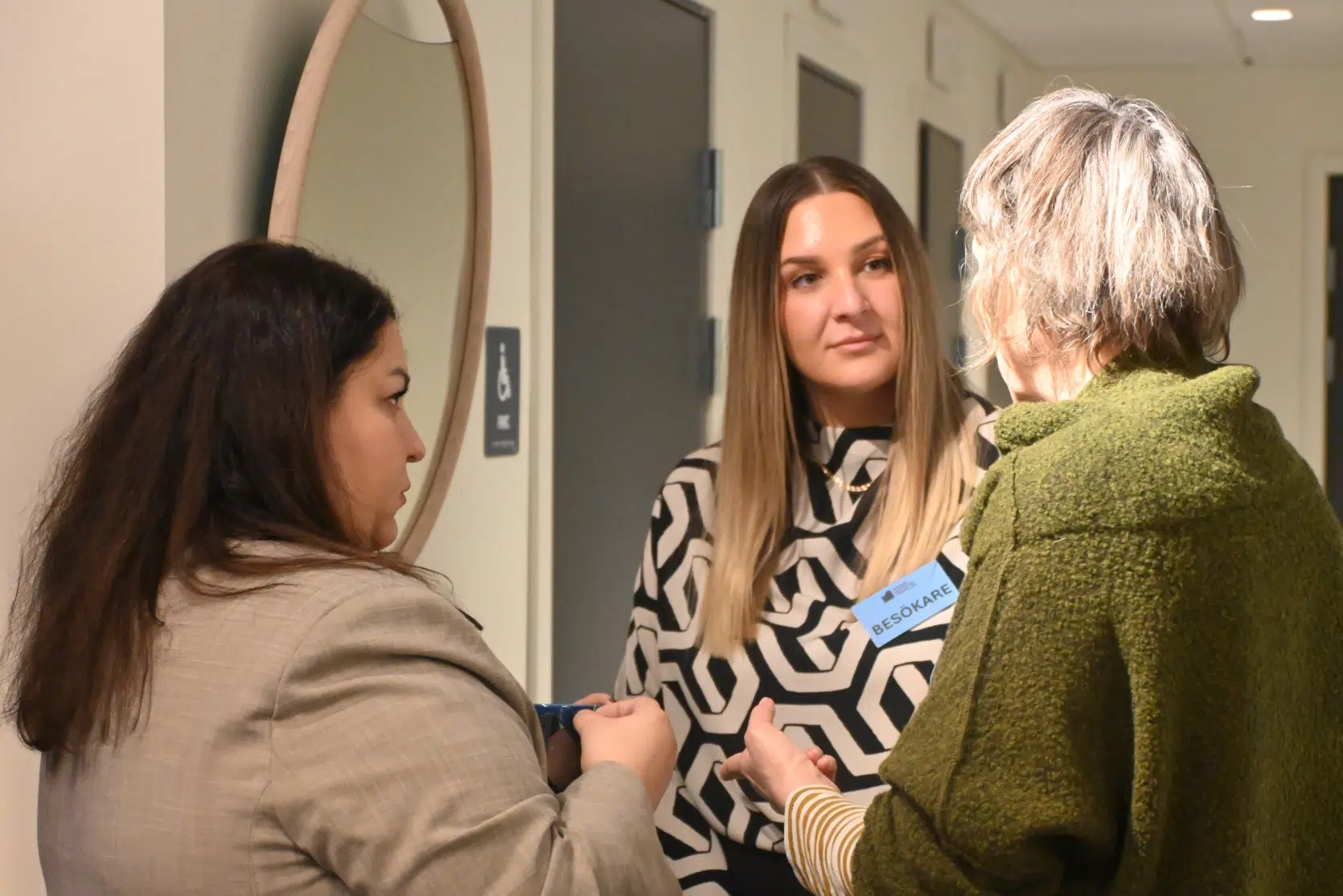
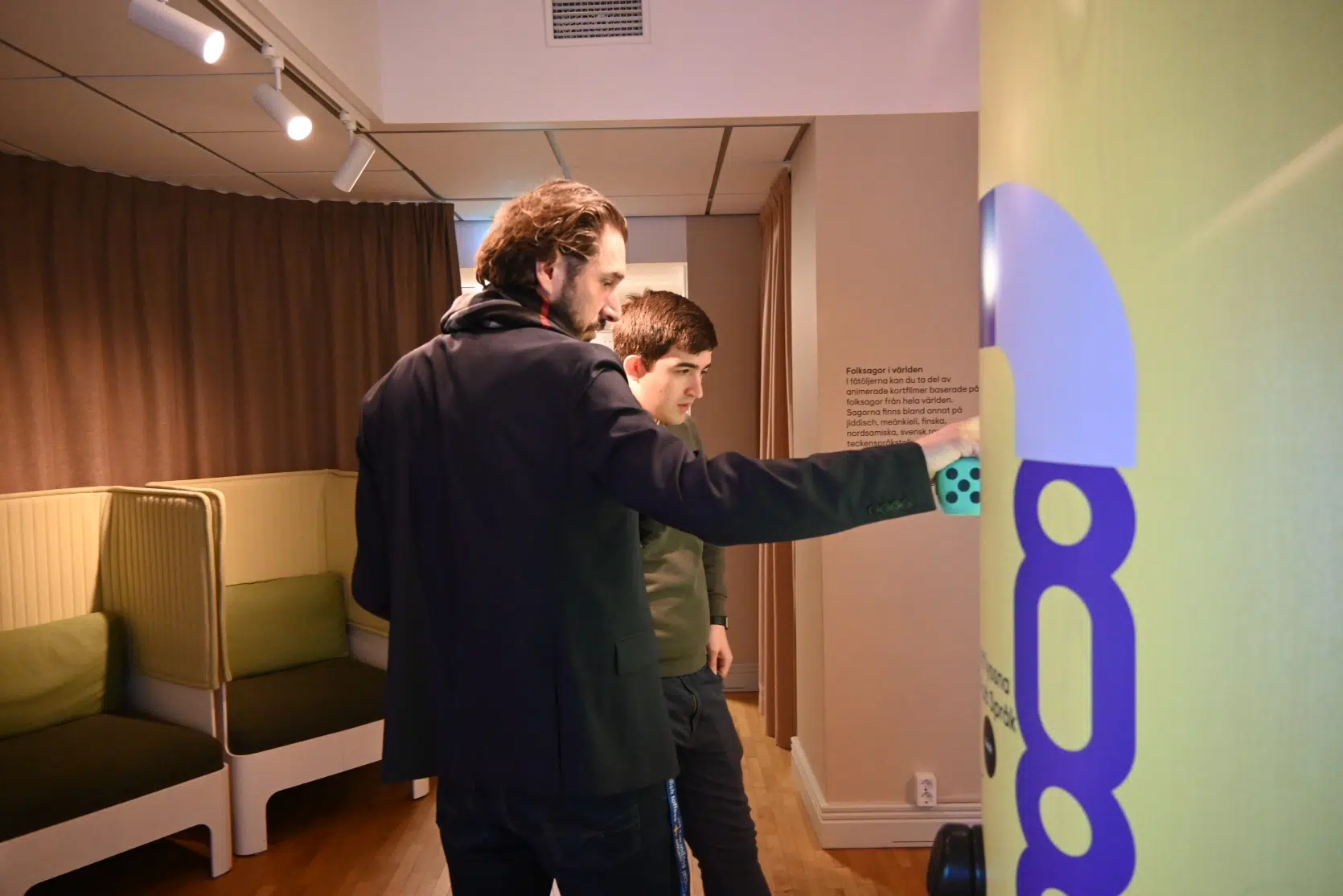
This question stood at the center of a two-day study visit in Stockholm within the project Inclusive Remembrance – Holocaust Education and Minority Voices for Democratic Competencies, developed by Terraforming and financed by the Swedish Institute.

  • Inclusive Remembrance Stockholm 2026-02-17_18
  • Inclusive Remembrance Stockholm 2026-02-17_18
  • Inclusive Remembrance Stockholm 2026-02-17_18
  • Inclusive Remembrance Stockholm 2026-02-17_18
  • Inclusive Remembrance Stockholm 2026-02-17_18
  • Inclusive Remembrance Stockholm 2026-02-17_18
  • Inclusive Remembrance Stockholm 2026-02-17_18
  • Inclusive Remembrance Stockholm 2026-02-17_18
  • Inclusive Remembrance Stockholm 2026-02-17_18
  • Inclusive Remembrance Stockholm 2026-02-17_18

Exchange visit to Stockholm

From Serbia to Sweden

Study visit to Stockholm marked the second gathering in the project framework, following the initial meeting in Belgrade, which focused on the persecution and genocide of the Roma.

Representatives of Terraforming and the European Roma Institute for Arts and Culture (ERIAC) met with institutional partners and civil society actors to examine how Holocaust remembrance is shaped, who participates in defining it, and how democratic responsibility is embedded in memory work.

Inclusive Remembrance Stockholm 2026-02-17_18

From Belgrade to Stockholm: Continuing the Dialogue

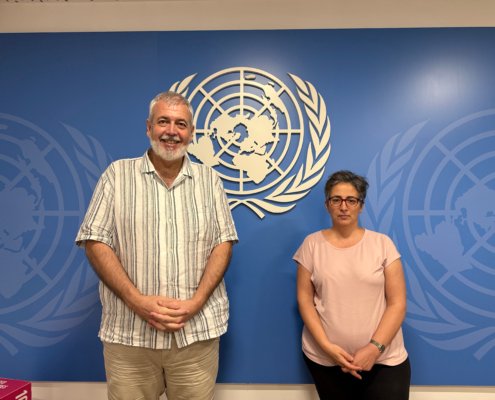
The delegation included Terraforming co-founders Miško Stanišić and Nevena Bajalica, together with Communication Manager Nemanja Stevanović. Nadja Greku, Programme Manager at ERIAC, also took part.

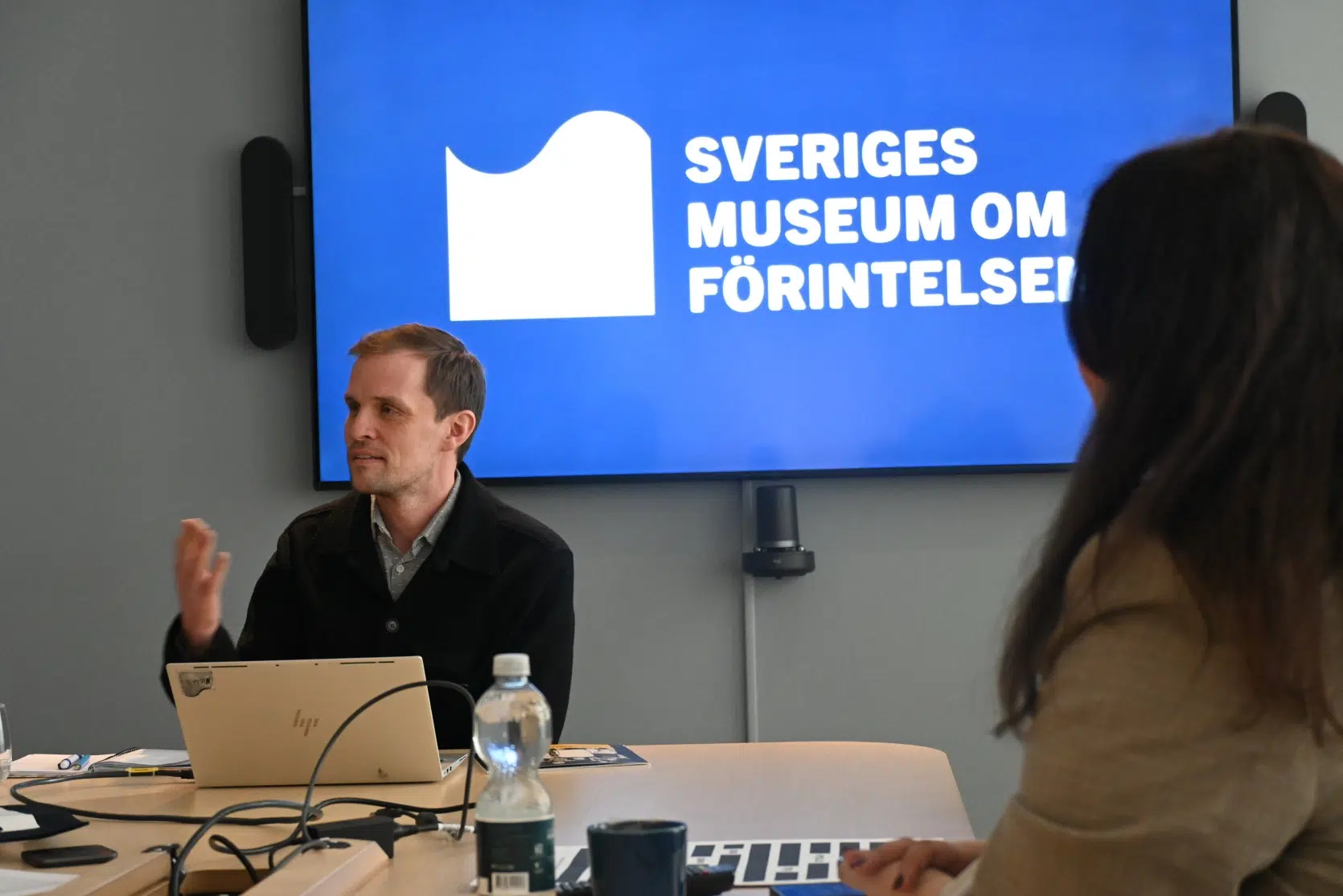
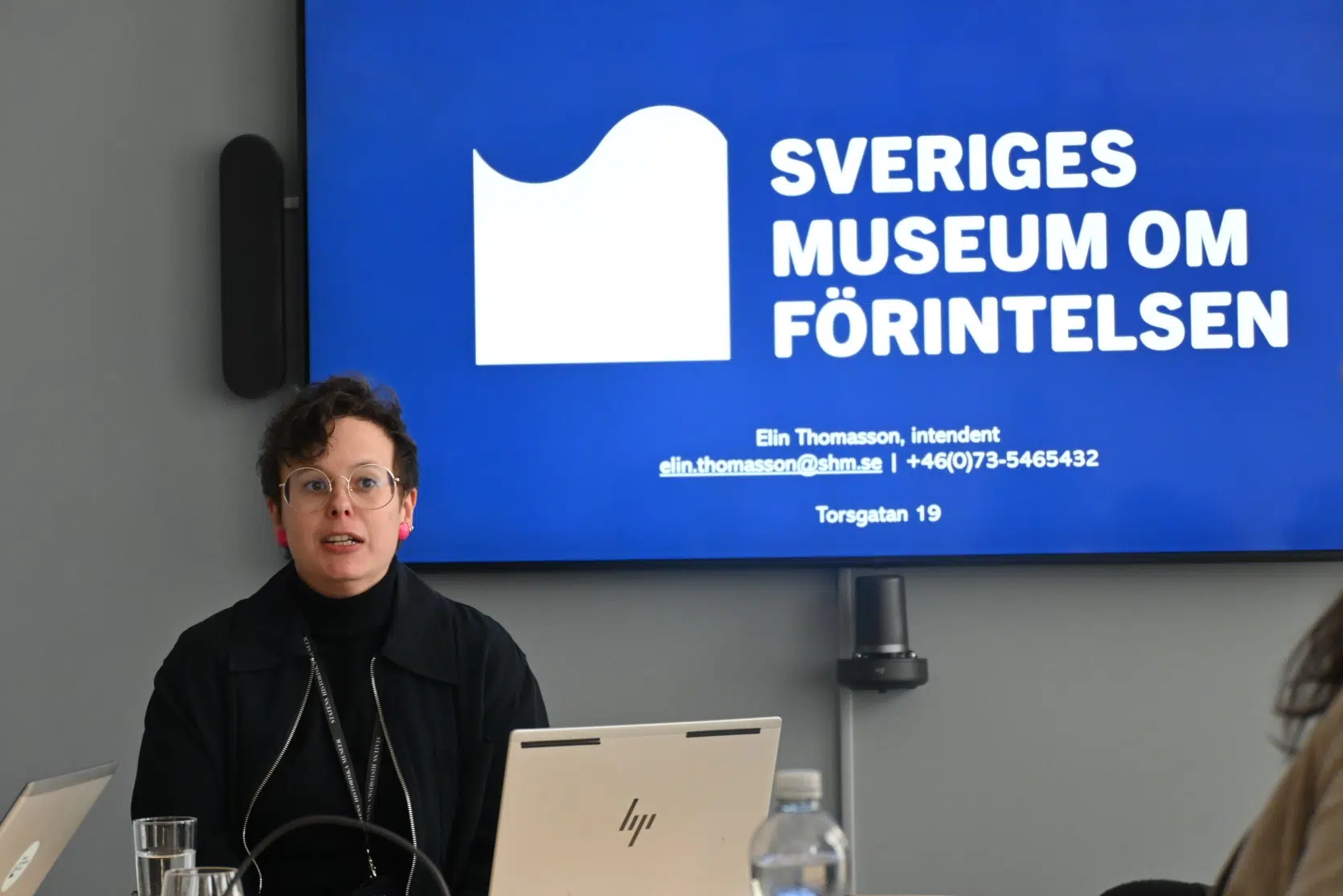
In Stockholm, meetings were hosted by the Swedish Holocaust Museum and the Living History Forum. From the Swedish Holocaust Museum, the team was welcomed by Sara Törneman and Dan Hultqvist. At the Living History Forum, discussions included Majlis Nilsson, Madelene Persson, Mia Taikon, Anna Edman Bastos, and Konstantinos Gountas.

Exchanges also extended to civil society. Jacob Rothschild represented JUS – Judiska Ungdomsförbundet i Sverige, while Abedin Denaj and Valeria Redjepagic joined from Gävleborgs Romska Internationella Förening (GRIF).

The visit brought together memory professionals, youth representatives, and civil society actors committed to strengthening inclusive Holocaust remembrance in Europe.

Institutional Responsibility and Narrative Choices

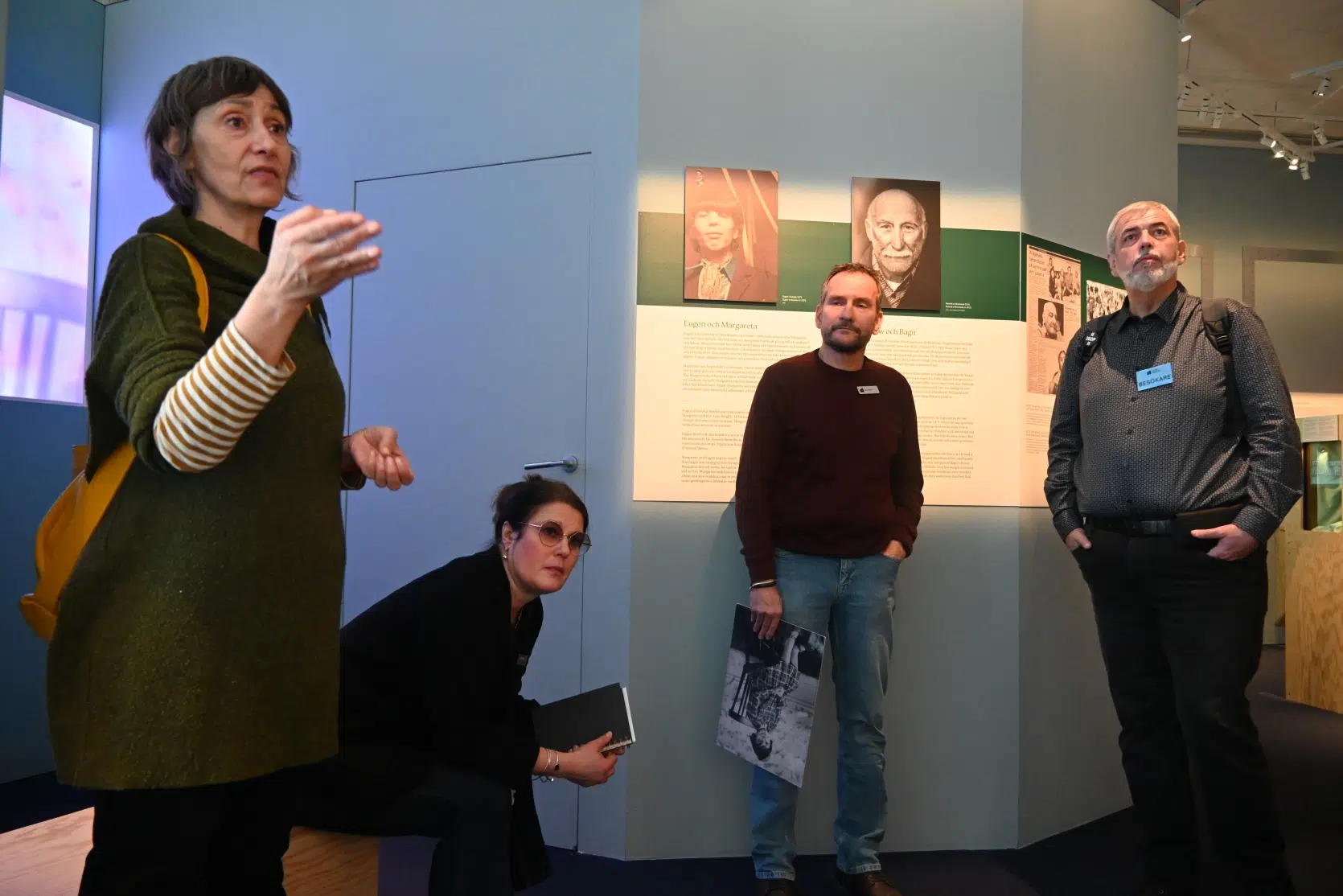
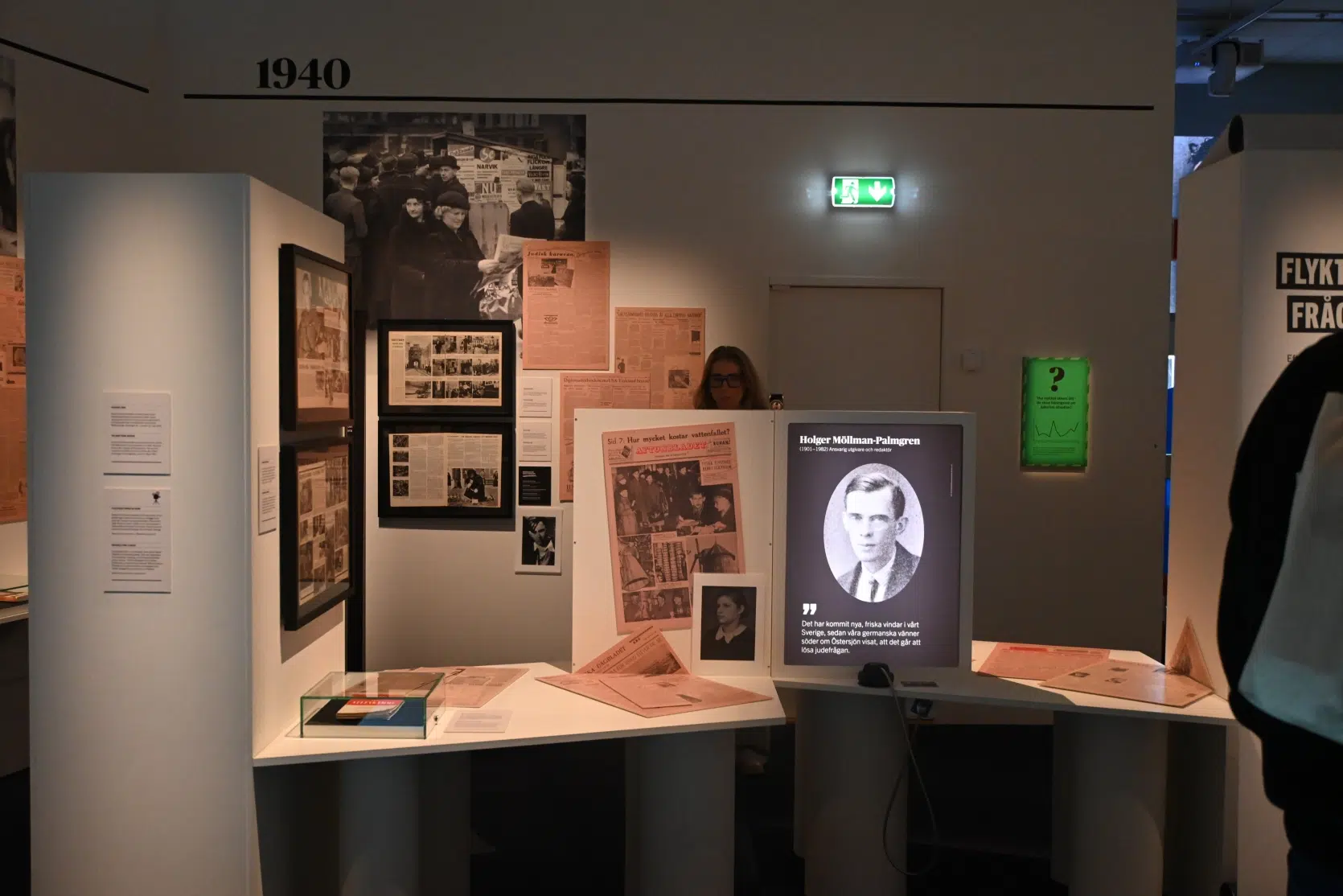
The first day, hosted by the Swedish Holocaust Museum, focused on institutional approaches to remembrance. Discussions addressed narrative framing, curatorial responsibility, and educational outreach. Museums do not merely preserve artifacts; they actively shape public understanding.

Participants reflected on how institutions can maintain historical rigor while creating space for underrepresented voices, particularly Roma experiences of genocide, which are often marginalized in mainstream narratives. The exchange created room for critical reflection on gaps in representation and the importance of cross-border cooperation.

Democratic Competencies and Civic Education

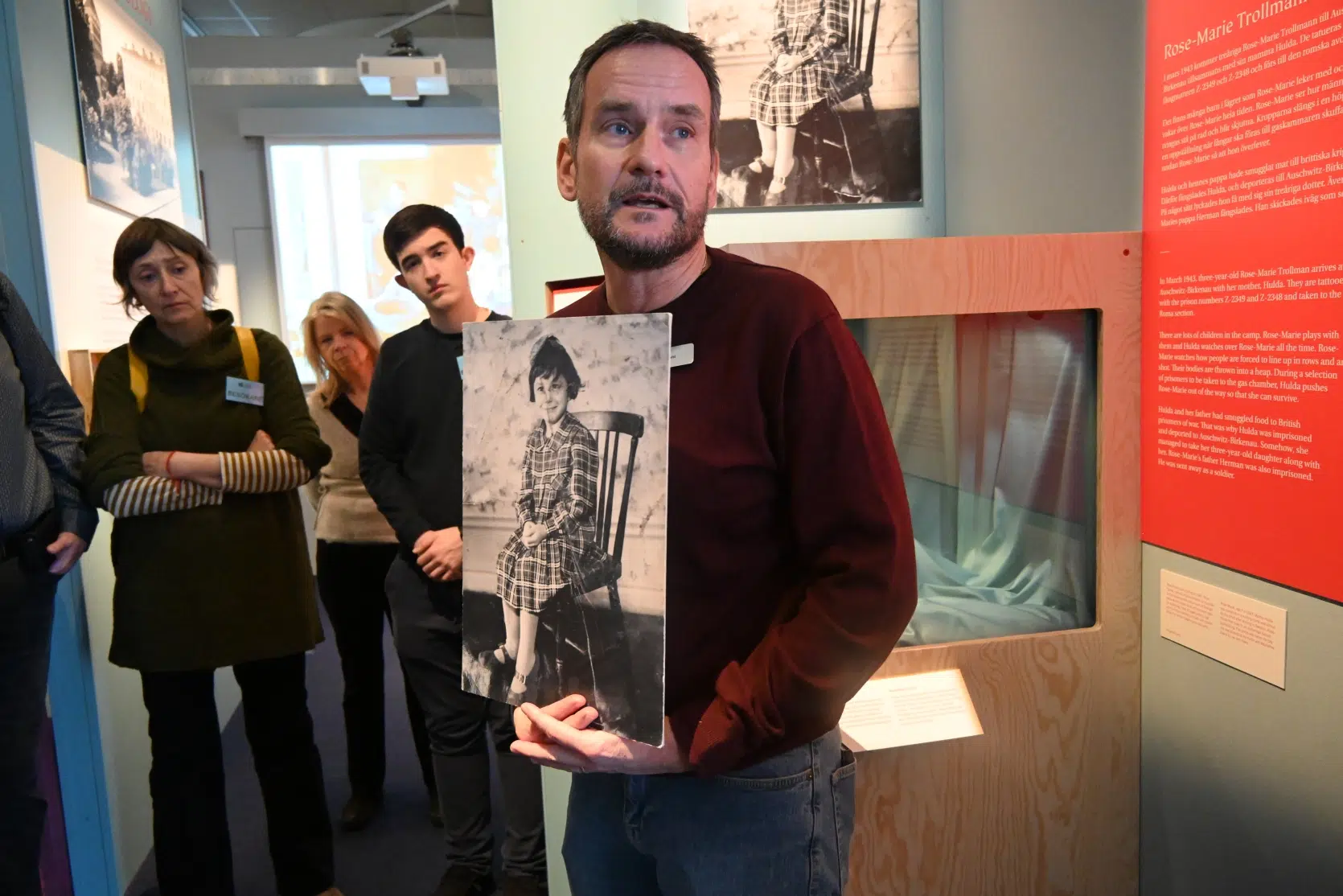
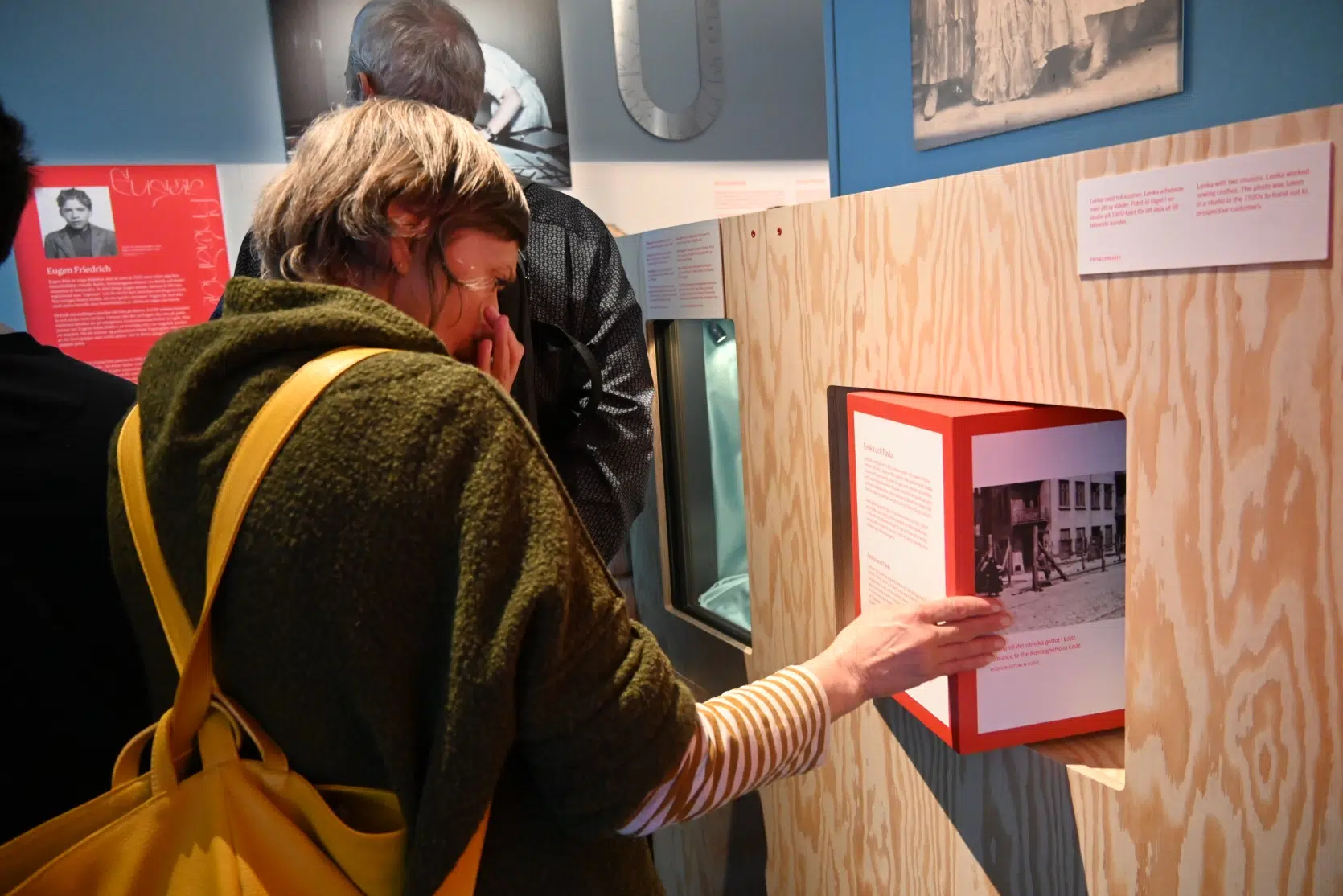
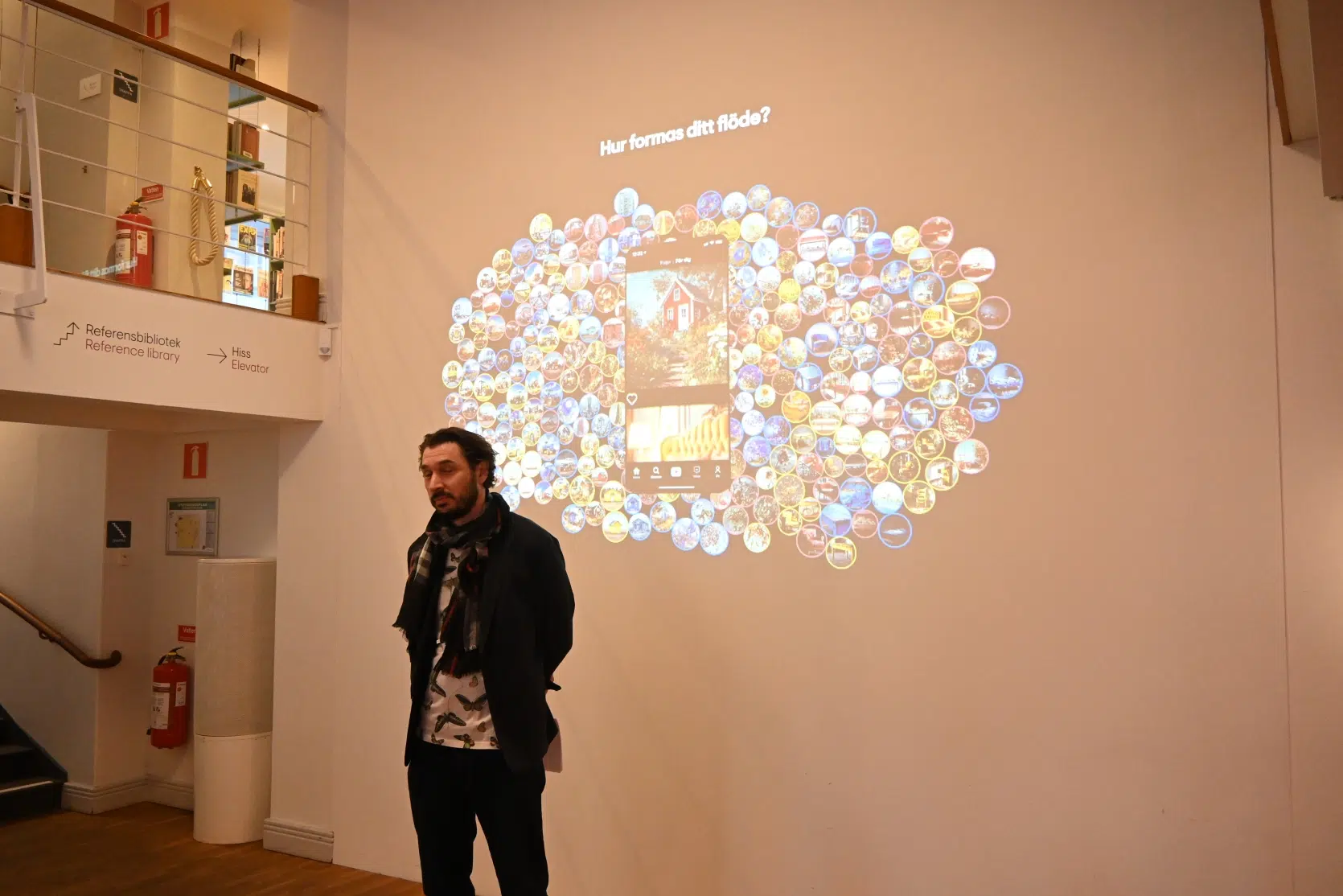
The second day, hosted by the Living History Forum, expanded the discussion toward democratic resilience. Participants visited two exhibitions and explored the Forum’s broader mandate, which combines historical research, exhibitions, and civic education.

The Forum’s work connects Holocaust remembrance with human rights education and democratic values. The exhibitions demonstrated how historical narratives can engage diverse audiences, especially young people. In this framework, remembrance becomes more than commemoration; it becomes a practice that strengthens democratic culture and critical thinking.

Minority Voices and Youth Engagement

At the core of the project lies a clear position: inclusive memory culture is not symbolic participation. It requires shared ownership from the very beginning — over process, content, context, and realization.

Contemporary Jewish and Roma communities, particularly young people, must work as equal partners with institutions. They contribute to defining priorities, shaping narratives, and designing educational approaches. This model safeguards survivor testimony and second-generation narratives while ensuring that a new generation assumes active responsibility for carrying memory forward.

The contributions of JUS and GRIF offered practical examples of youth agency and community-centered remembrance. Their experiences showed that memory is not confined to institutions. It is carried through families, local initiatives, and youth organizations. When young people articulate their own narratives, remembrance becomes a living and socially grounded practice.

Inclusive Remembrance Stockholm 2026-02-17_18

Resisting Distortion, Strengthening Democratic Culture

The project addresses contemporary challenges, including Holocaust distortion and the rise of antisemitism and antigypsyism. Historical falsification is closely connected to broader attacks on democratic values. Inclusive remembrance therefore contributes to resilience against extremist narratives and strengthens civic responsibility.

The next phase of the project will focus on developing practical guidelines for inclusive remembrance, aimed at educators and institutions responsible for commemorative and educational activities. The goal is to translate dialogue into concrete tools applicable across national contexts.

Terraforming and ERIAC expressed their gratitude to their Swedish partners — the Swedish Holocaust Museum, the Living History Forum, JUS, GRIF, and the Swedish Institute — as well as to ERIAC Serbia for its strong collaboration.

By connecting institutions and minority voices, the project advances a memory culture that is responsible, participatory, and forward-looking — one in which shaping remembrance and carrying responsibility are inseparable.

About the project

The project “Inclusive Remembrance – Holocaust Education and Minority Voices for Democratic Competencies” aims to explore the ways to support a more inclusive memory culture by developing pedagogical approaches and practical guidelines for involving local Jewish, Roma, and other communities whose voices are not adequately represented in education and official commemoration of the Holocaust, Samudaripen, and other crimes committed by the Nazis and their collaborators. Through the engagement of Jewish and Roma youth, media professionals, memory professionals (educational departments of memorials and museums), and decision-makers, by creating space for minority voices – the local Jewish and Roma communities whose narratives and personal experiences are underrepresented in the mainstream memory, the project will contribute to strengthening the Holocaust remembrance culture, inclusive memorialization, and addressing Holocaust distortion and its correlation with contemporary antisemitism and antigypsyism, all with the aim to promote democracy and critical thinking and counter nationalism and anti-EU propaganda.

Financed by Swedish Institute 

Megaphone Megaphone More News

EMDS Project Presented to Experts in Novi SadTerraforming

A New Era of Digital Remembrance Culture

Within the framework of the European Memory Data Space (EMDS) project, an event was held at the Hotel Sheraton in Novi Sad dedicated to the issue of creating a functional, connected, and sustainable digital ecosystem that will ensure the memory of the Holocaust remains alive and accessible in the decades to come.
Digital Innovation in the Service of Remembrance: International Design Sprint in Novi Sad and BelgradeTerraforming

Digital Innovation in the Service of Remembrance

The Landecker Digital Memory Lab and Terraforming have successfully realized an intensive five-day international Design Sprint in Novi Sad and Belgrade.

Mail Mail Sign up for our newsletter